Updated 2 June 2026 — this article incorporates the full-year 2025 DVF data from our observatory of vineyard prices in France.
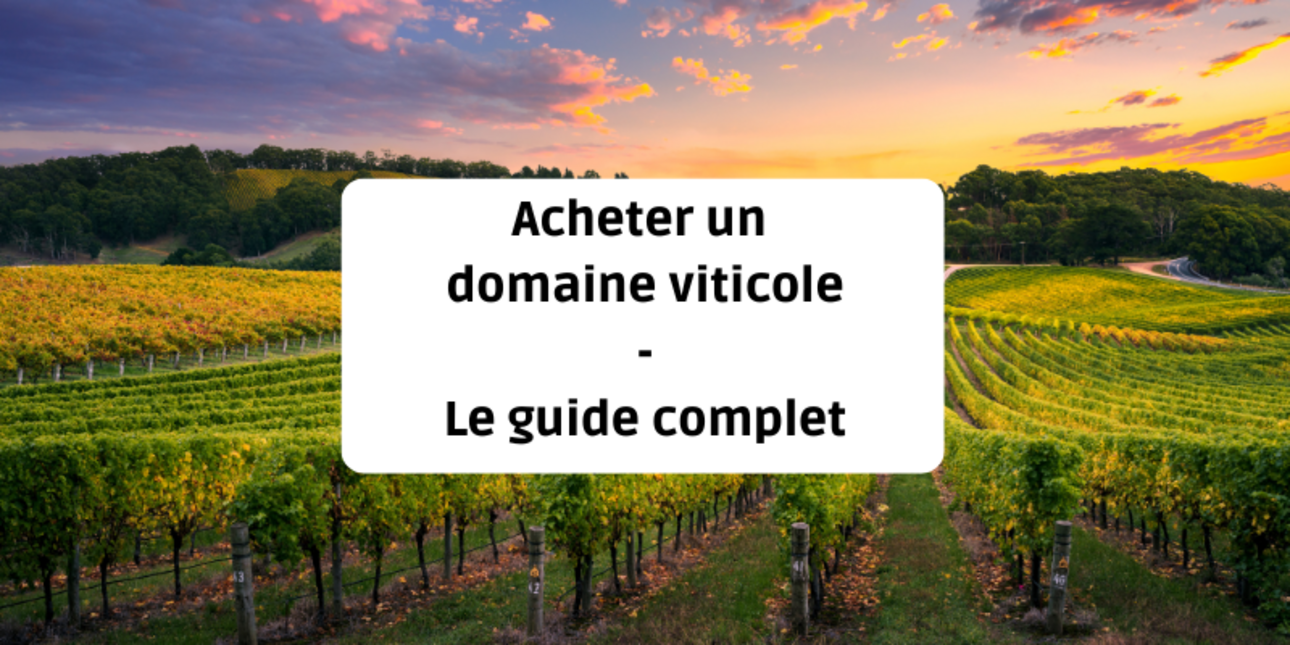
Acquiring a wine estate is an exciting project that requires meticulous preparation and specific expertise. This complete guide will help you navigate the various stages of buying a vineyard property, from defining your project to the day-to-day management of your estate.
Table of contents
Defining the wine project
Determining your motivations
Defining the desired type of wine
Choosing the wine region
Learn more:
Searching for the vineyard property
Calling on a specialised agency
Selection criteria
Visits and initial assessments
Learn more:
Vineyard audit
Terroir analysis
Assessing the health condition of the vines
Examining the production infrastructure
Learn more:
Budget and financing
The price of vines
Assessing the total cost
Financing options
Learn more:
Budget and vineyard land prices
Legal and tax support
Choosing the legal status
Taxation and social contributions
Learn more:
Legal procedures for the purchase
Learn more:
Managing the wine estate
Training and skills
Production management
Sales and marketing
Learn more:
Conclusion
Learn more
Before embarking on the purchase of a wine estate, it is crucial to clearly define your project and objectives. This initial step will help you guide your search and make the right decisions throughout the acquisition process.
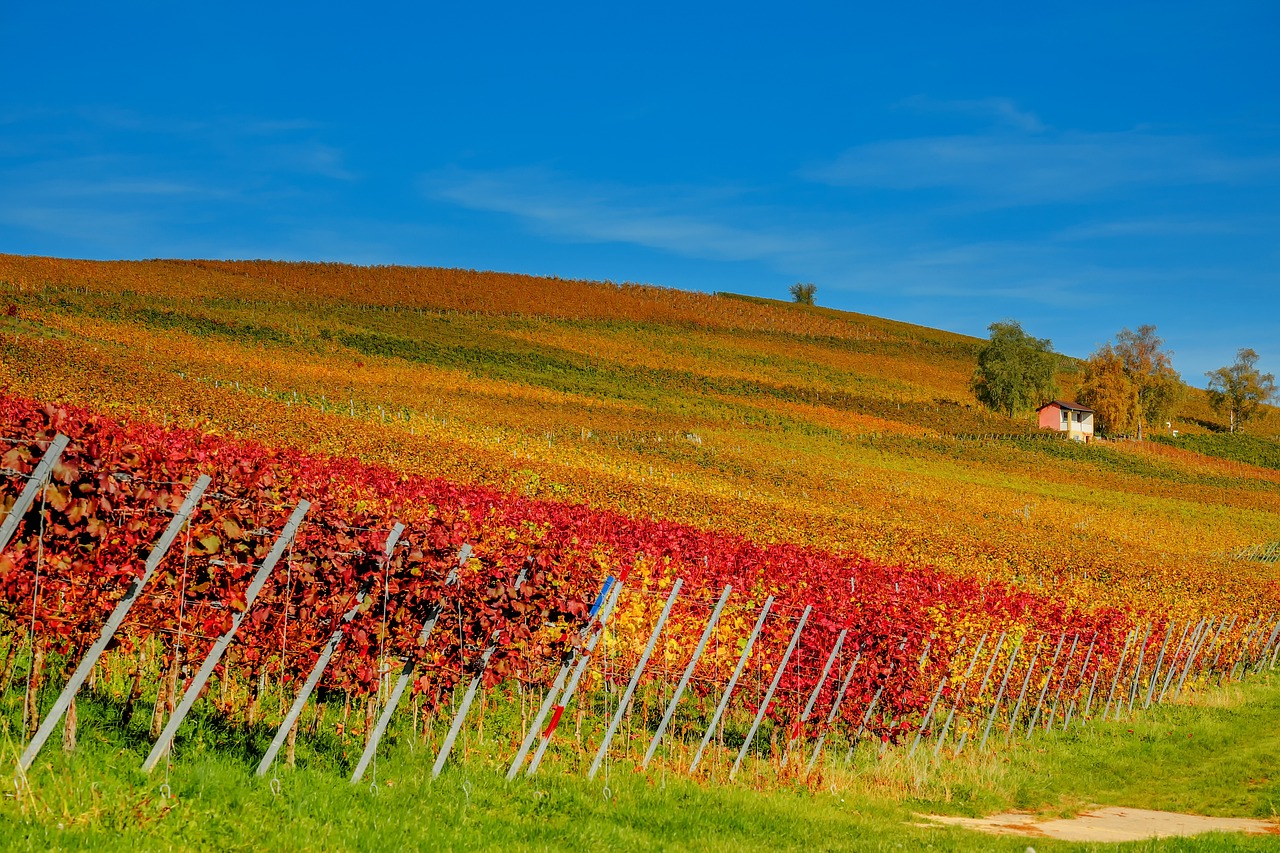
Reflect on the reasons that are driving you to invest in a wine estate. Is it a passion for wine, a career change project, or a long-term wealth investment? Your motivation will greatly influence your future choices.
Decide on the type of wine you wish to produce: red, white, rosé or sparkling. Each wine style involves specific production methods and terroirs.
France offers many famous wine regions, each with its own characteristics:
The choice of region will influence not only the type of wine produced, but also the lifestyle and environment in which you will live.
Once your project is defined, you can begin the search for your future wine estate. This crucial step requires time and patience.
Vineyard transactions are complex and specific. It is strongly recommended to use a real estate agency specialising in wine estates. These experts know the market thoroughly and can help you find the property that matches your criteria.
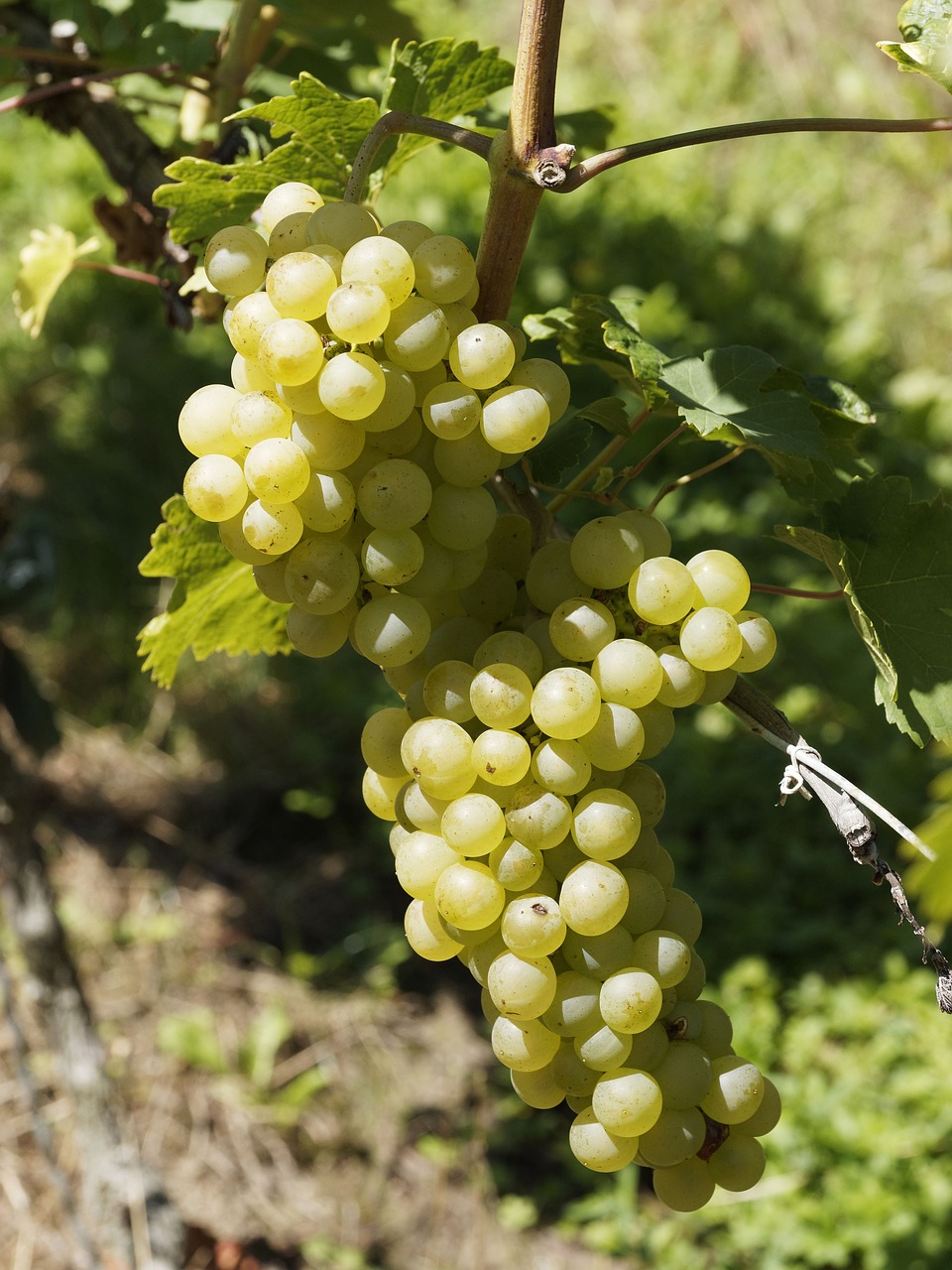
During your search, take into account the following elements:
Visit several properties to gain a clear understanding of the market. During these visits, pay attention to the general condition of the estate, the quality of the vines and the production infrastructure.
Before committing to the purchase of a wine estate, it is essential to carry out a complete audit of the vineyard. This step will allow you to precisely assess the value and potential of the property.
Call on an expert to analyse the quality of the soil, the microclimate and the exposure of the plots. These elements are decisive for the future quality of your wines.
A plant-health audit will inform you about the health of the vines and any work to be planned to improve the quality of production.
Check the condition and compliance of the winemaking, storage and bottling facilities. Bringing them up to standard can prove costly and must be taken into account in your budget.
Buying a wine estate represents a significant investment that requires rigorous financial planning.
The purchase price of the vines is often the first item in the total cost of a wine estate.
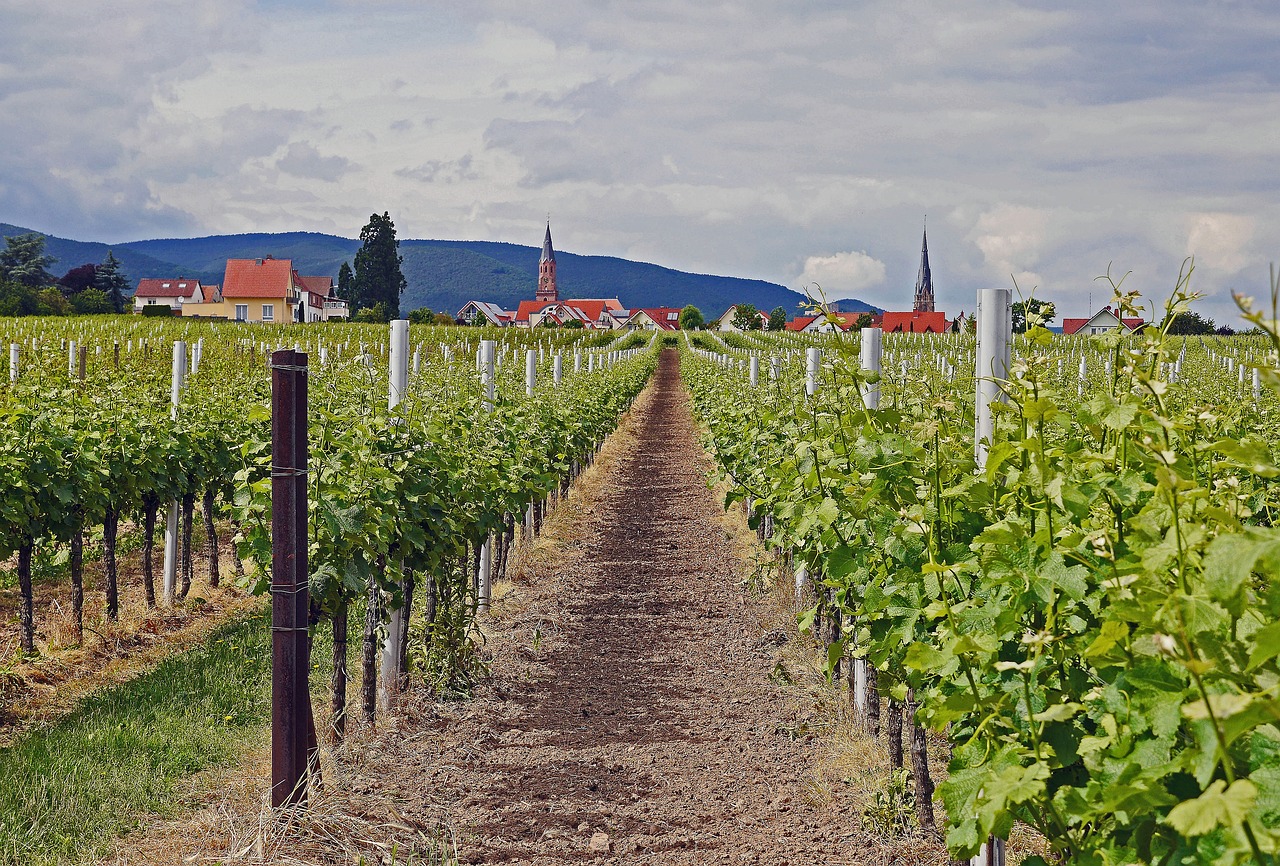
It is extremely variable depending on the region, appellation and terroir. You can find PGI vines for less than €15,000 per hectare, whereas some appellations (notably Champagne and Burgundy) can exceed €1 million per hectare.
Agricultural land adjacent to a wine estate (meadows, arable crops) is valued according to benchmarks that differ from those for AOP vines. By way of comparison, the average price of agricultural land is €6,038/ha (DVF 2024 data), which represents a ratio generally between 1/10 and 1/50 of the price of the most highly valued AOP vines. This distinction is important for assessing the estate's assets.
The purchase price of the estate is only the tip of the iceberg. Don't forget to include in your budget:
Several options are available to finance your acquisition:
Do not hesitate to seek the help of an accountant specialising in the wine sector to draw up your financing plan.
It is also possible to call on structures specialising in vineyard land carrying.
To calibrate your acquisition budget, the first benchmark is the price of bare land — that is, the value of the vines alone, excluding buildings, equipment and stocks. Our observatory of vineyard prices in France measures this price from DVF data (Demandes de Valeurs Foncières), which records the actual transactions registered by the tax authorities.
Based on a cleaned database of nearly 17,600 transactions (second half of 2020 to the end of 2025), the national median price of vines stands at €23,985/ha in 2025. This figure represents the typical transaction: half of the sales close below it and the other half above. The average price, on the other hand, reaches €205,441/ha — about nine times the median — because it is pulled upwards by the rare transactions involving Champagne or Burgundy grands crus. These two indicators are complementary: the median tells you what the typical buyer pays, while the average reveals the existence of a very high-end market segment.
The hierarchy between wine regions is very pronounced. Here is the DVF 2025 median price by major wine region:
| Wine region | 2025 median price (€/ha) |
|---|---|
| Champagne | €1,000,000/ha |
| Burgundy | €125,000/ha |
| Savoie | €57,216/ha |
| Provence | €39,864/ha |
| Jura | €39,361/ha |
| Beaujolais | €39,312/ha |
| Cognac | €28,636/ha |
| Rhône Valley | €20,357/ha |
| Loire Valley | €17,000/ha |
| Bordeaux | €15,434/ha |
| Roussillon | €13,918/ha |
| Languedoc | €13,531/ha |
| South-West | €9,205/ha |
Source: DVF, processing by ma-propriete.fr. Median price of vine transactions, full year 2025 (cleaned database, approximately 2,951 transactions).
This data reflects the real market for the typical buyer. It complements — without contradicting — the benchmarks published by SAFER, which give greater weight to the major appellations. Note also that leased land trades on average at a discount of around 18% compared with vacant land, due to the agricultural tenancy status.
To go further on each wine region, see our series on the price of vines in France and our white paper on setting up a wine estate.
Buying a wine estate involves many specific legal and tax aspects. Professional support is essential to secure your transaction.

The choice of the legal structure of your wine business will have significant implications in terms of management, taxation and transmission. The most common options are:
The wine sector benefits from specific tax and social regimes. Familiarise yourself with:
Acquiring a wine estate requires several legal steps:
Have a lawyer specialising in rural and wine law assist you to secure these various steps.
Once the acquisition is finalised, the day-to-day management of the wine estate begins. This stage requires varied skills and total commitment.
If you do not come from a wine background, consider taking training in viticulture and oenology. Many schools offer courses suited to professionals making a career change.
Managing a wine estate involves mastering:
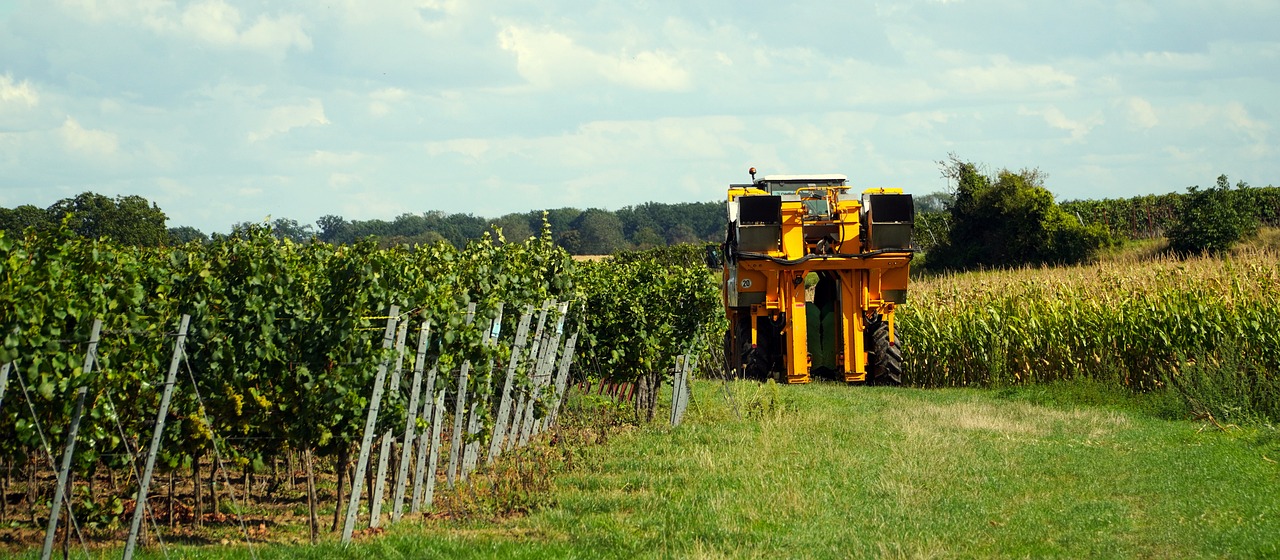
Selling your production is a crucial aspect of the success of your project. Develop a sales strategy suited to your estate:
Don't forget the importance of marketing and communication to raise awareness of your wines and build your reputation.
Buying a wine estate is an exciting project that requires meticulous preparation and expert support. By following the steps described in this guide, you will give yourself the best possible chances of succeeding in your acquisition and thriving in the fascinating world of viticulture. Remember that every project is unique and that the key to success lies in your ability to adapt to the specific features of your estate and your terroir.