Updated on June 2, 2026.
Human resource management (HRM) is a crucial aspect in ensuring the sustainability and development of a wine estate. In a constantly evolving sector, wine businesses face numerous challenges when it comes to recruiting, retaining and developing the skills of their employees.
This article explores the various aspects of HRM in a wine estate and offers solutions for optimizing this essential function.
Table of contents
The challenges of HRM in the wine sector
A significant seasonal workforce
Specific skills in demand
An economic and environmental context in transition
The workforce within the estate's overall economy
Recruitment in a wine estate
Identifying staffing needs
The different recruitment methods
The role of specialized recruitment agencies
Retaining employees in a wine estate
Creating an attractive work environment
Encouraging skills development
Involving employees in the company's projects
Setting up attractive financial tools
Administrative and social management
Payroll management
Compliance with labor law
Optimizing administrative management
Skills development and training
Identifying training needs
The different types of training
Setting up a training plan
Forward-looking management of jobs and skills (GPEC)
Anticipating future needs
Setting up a talent development strategy
Adapting to the challenges of the wine sector
Management and internal communication
The key role of frontline management
Setting up internal communication tools
Conflict management
Conclusion
Learn more
The wine sector is characterized by a strong seasonality of work, particularly during pruning and harvest periods. This particularity entails a significant need for seasonal labor, which represents a major challenge for wine estates in terms of recruitment and staff management.
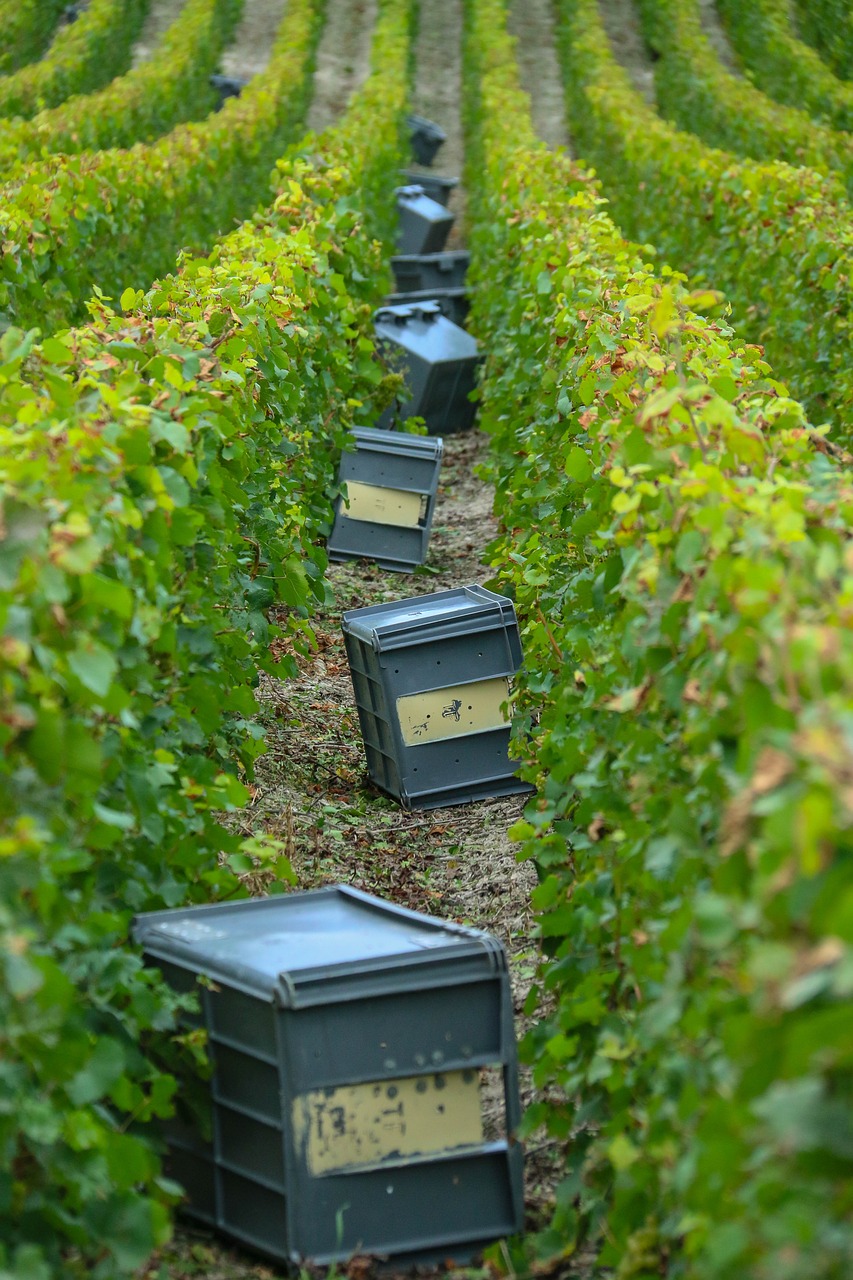
Wine production requires sharp technical skills, both in vineyard management and in winemaking. Wine estates must therefore attract and retain qualified profiles, capable of mastering these technical aspects while adapting to developments in the sector.
On the wine marketing side, it is possible to call on sales staff employed by the company but also to subcontract or delegate this function.
Faced with climate change and new consumer expectations, wine estates must constantly innovate and adapt. This situation requires dynamic human resource management, capable of supporting these transformations and developing the necessary skills within the teams.
Payroll is one of the heaviest expense items of a wine estate, often in the order of 30 to 50% of turnover depending on the size of the structure and the level of mechanization. It adds to the weight of land assets, which form the patrimonial base of the operation. According to the 2025 DVF data analyzed in our observatory of vineyard prices in France, the median price of vineyards stands at €23,985/ha at the national level — with considerable disparities between wine regions, from €9,205/ha in the South-West to €1,000,000/ha in Champagne. Understanding this land anchoring helps to better size the HR policy: the more the land is valued, the more recruiting qualified profiles becomes a lever for protecting and enhancing the estate's assets.
The first step in an effective recruitment process is to clearly define the wine estate's staffing needs. This involves a precise analysis of the positions to be filled, whether permanent or seasonal, as well as the skills sought.
To attract the best candidates, wine estates can use various recruitment methods:
To optimize their recruitment process, many wine estates call on specialized agencies. These sector experts can bring their in-depth knowledge of the wine employment market and propose candidates that perfectly match the company's needs.
To retain their employees, wine estates must create an attractive work environment. This involves a good atmosphere within the teams, safe working conditions and competitive remuneration.
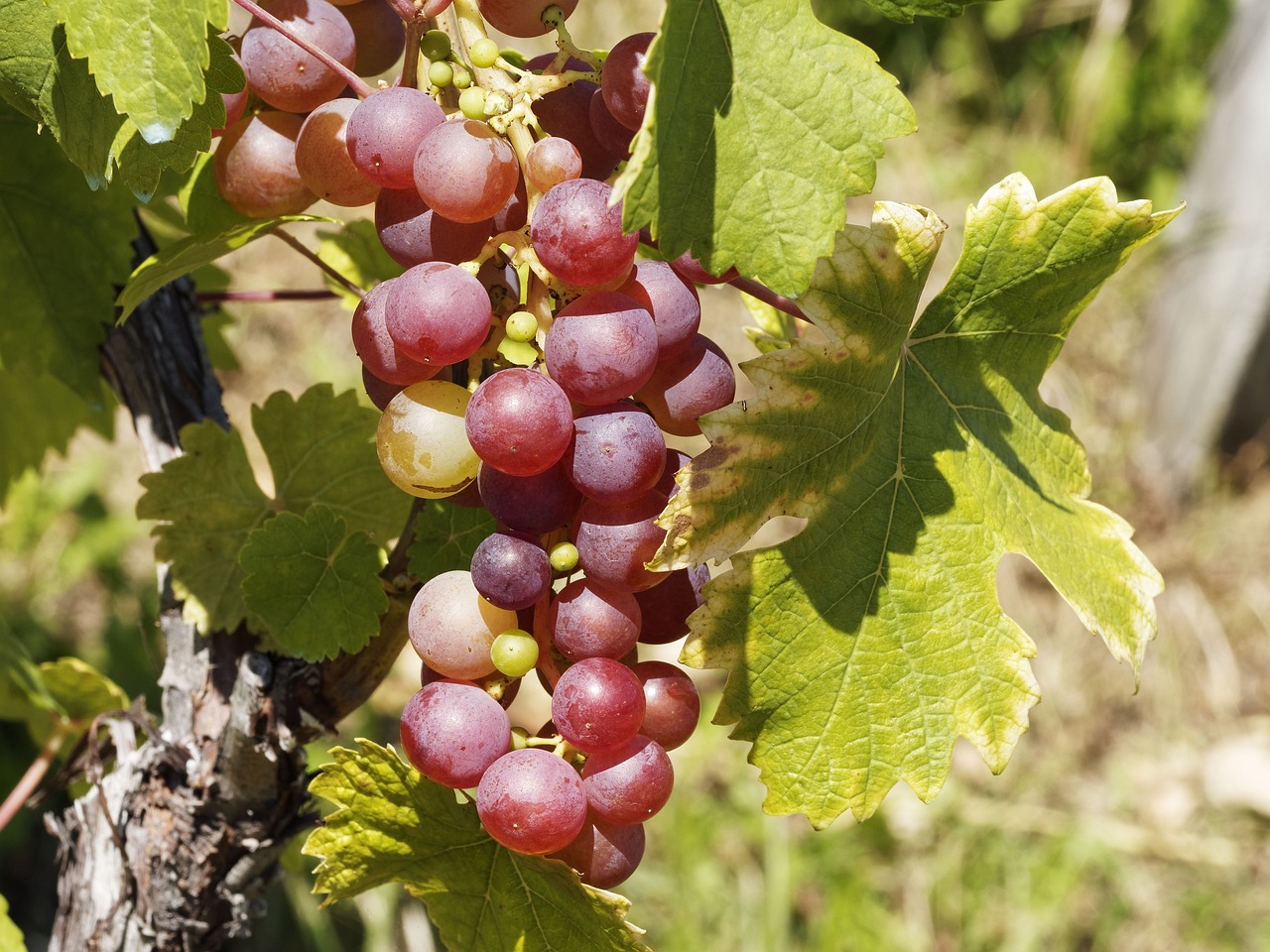
Continuing training and skills development are essential to maintaining employee motivation and ensuring the competitiveness of the wine estate. Companies can set up individualized training plans and encourage the versatility of their teams.
By involving employees in the estate's projects and strategic decisions, employers foster their engagement and their sense of belonging to the company. This participatory approach can greatly contribute to staff retention.
To strengthen the company's appeal and retain employees, wine estates can set up various financial tools. Profit-sharing (intéressement) allows employees to be associated with the company's performance, by paying them a bonus linked to results or productivity. The Company Savings Plan (PEE) offers employees the possibility of saving with the company's help, while the Collective Retirement Savings Plan (PERCO) helps them prepare for retirement.
Benefits such as meal vouchers can also improve employees' purchasing power on a daily basis. These schemes, in addition to being fiscally advantageous for both the company and employees, contribute to creating a sense of belonging and to aligning employees' interests with those of the wine estate.
Payroll management in a wine estate can prove complex, particularly due to the presence of both permanent and seasonal employees. It is crucial to set up an effective system to ensure rigorous management of remuneration and social security contributions.
Wine estates must ensure scrupulous compliance with labor law, particularly with regard to employment contracts, rest periods and safety conditions. Regular legal monitoring is necessary to stay informed of regulatory developments.
To gain efficiency, wine estates can rely on specialized management tools, allowing certain administrative tasks to be automated and information relating to human resources to be centralized.
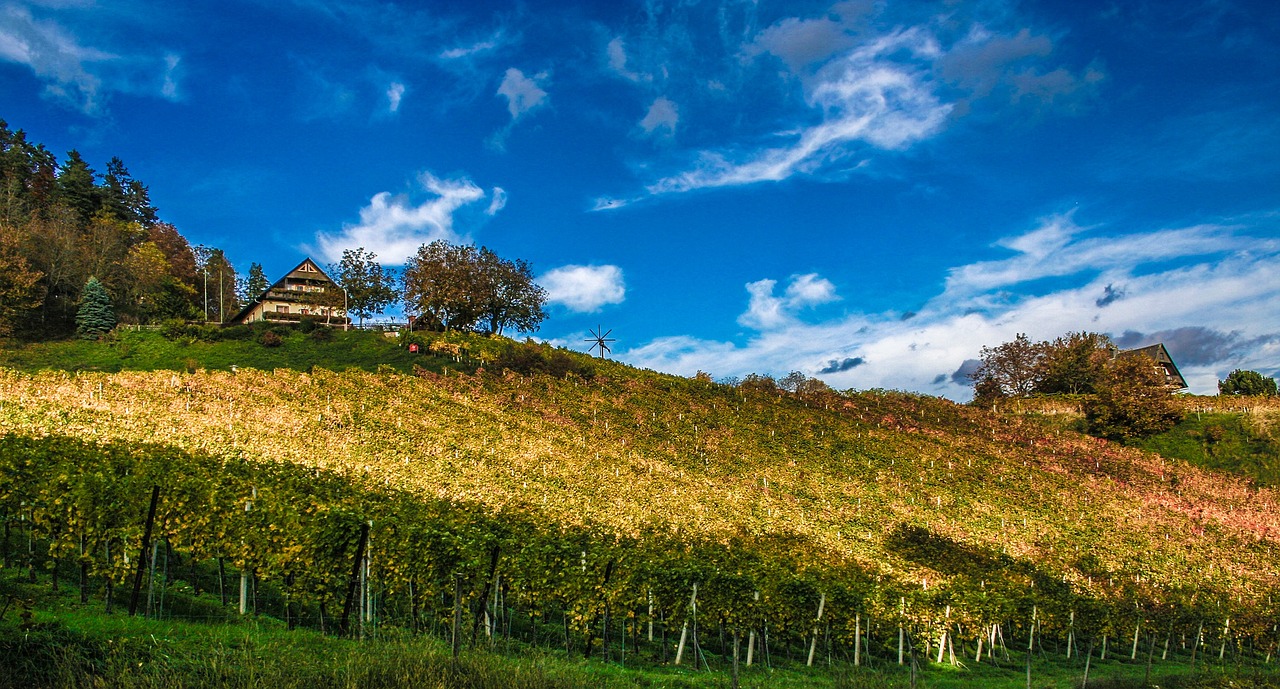
A regular analysis of the skills present in the company and of future needs makes it possible to anticipate developments in the sector and to set up appropriate training actions.
Wine estates can offer different types of training to their employees:
Developing an annual training plan makes it possible to structure skills development actions and align them with the wine estate's strategic objectives.
GPEC consists of anticipating developments in the occupations and skills needed by the wine estate. This approach makes it possible to prepare the company for transformations in the sector and to adapt human resources accordingly.
By identifying potential within the company and putting in place individualized development paths, wine estates can prepare their future generation of managers and experts.
GPEC must take into account the major challenges of the sector, such as the ecological transition, digitalization or the evolution of wine consumption patterns.
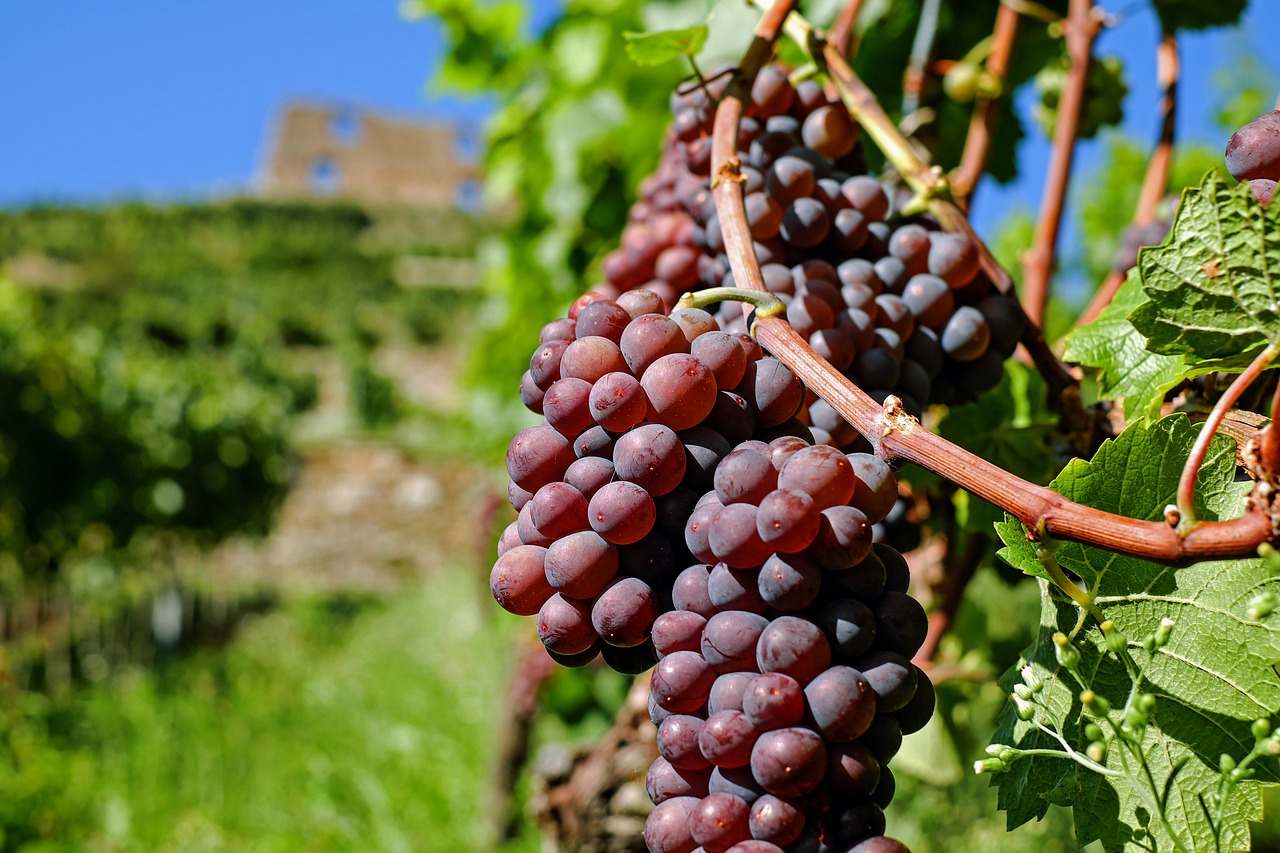
In a wine estate, frontline management plays an essential role in the motivation and engagement of teams. It is important to train managers in good team management and communication practices.
To foster cohesion and information sharing within the estate, it is recommended to set up effective internal communication tools (intranet, newsletters, regular meetings, etc.).
The prevention and management of conflicts is an integral part of HRM in a wine estate. It is important to train managers in mediation and to set up clear procedures for resolving conflict situations.
Human resource management in a wine estate is a major challenge in ensuring the sustainability and development of the company. Faced with the sector's challenges, wine estates must implement strategic HRM, capable of attracting and retaining talent, developing skills and supporting the sector's transformations. By investing in quality HRM, wine estates give themselves the means to remain competitive and to adapt to changes in the wine market.