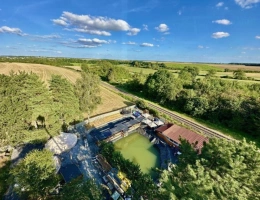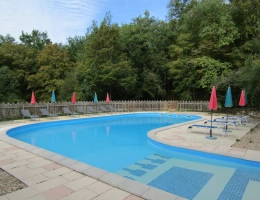
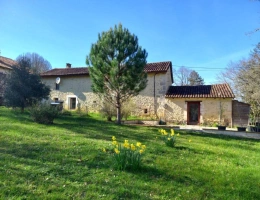
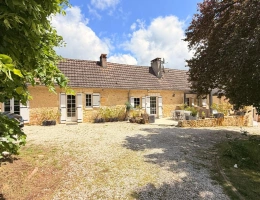
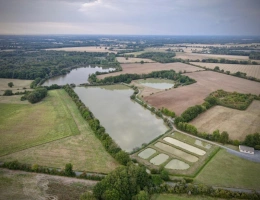
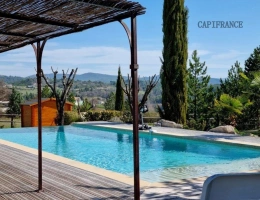
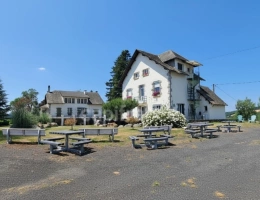
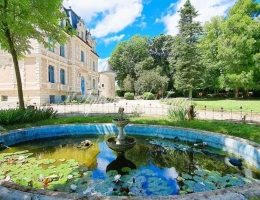
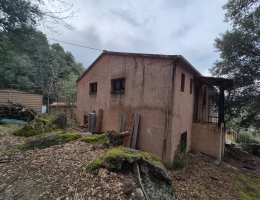
Every campsite for sale in France listed on ma-propriete.fr comes with its land, its facilities and, where the seller specifies it, the type of sale: freehold with the business, business only, or bare land to develop. On 25 September 2026, 18 listings sit in this sub-category, alongside the wider range of tourism properties for sale on the portal. They range from a 4-star campsite sold with its business on 7 ha and a seasonal 2 ha site near a river in the Gard to a 12 ha nature campsite in the Dordogne, a holiday village with a restaurant and full drinks licence, estates combining gîtes, pitches and glamping tents, and a plot for an eco-campsite project.
British, Dutch and Belgian buyers have long been at home in French outdoor tourism, first as holidaymakers, then as owners. Some want a going concern with an established clientele; others a small campsite for sale in France to run alongside a rural home. Before you start, our guide to the first steps in creating a campsite (in French) covers market research and site selection.
These figures are based on the asking prices of the 18 listings published on ma-propriete.fr on 25 September 2026 in the campsite sub-category (a listing can sit in several sub-categories). The median asking price is €886,000, and the middle half of listings falls between €319,000 and €1,450,000. Excluding the cheapest and dearest tenth, the range runs from €275,000 to €2,782,500; the extremes are €189,000 and €2,950,000.
Treat these figures with care. The sample is small: 18 listings do not make a market, and the median is not an average price for a French campsite. These are also asking prices; the final price depends on negotiation and on scrutiny of the accounts.
Breakdown of asking prices for campsites for sale
| Asking price band | Number of listings |
|---|---|
| Under €250,000 | 1 |
| €250,000 to €500,000 | 6 |
| €500,000 to €1M | 3 |
| €1M to €2M | 5 |
| Over €2M | 3 |
Source: listings published on ma-propriete.fr on 25 September 2026.
Below €500,000 you will generally find smaller seasonal sites, land to develop and rural properties where the business is still to be built. Above €1M, they are mostly star-rated campsites in full operation or estates combining pitches, rental units and catering. Official DVF property-sales data are not used here: a campsite usually changes hands as a business, so its value rests first on trading performance (turnover, EBITDA, number and type of pitches, star rating, length of season) and then on the land (size, zoning, natural hazards). Only accountant-reviewed accounts and a property valuation can tell you whether a price is fair.
Size, slope, shade and access determine how many pitches a site can hold. Bare pitches, for guests with a tent, caravan or motorhome, differ from rental pitches equipped with mobile homes, chalets or unusual accommodation. Some mobile homes belong to the campsite, others to private owners renting their pitch by the year, which changes how you read the turnover. Toilet blocks, pool, snack bar, utilities and internal roads shape the works budget. A water park, play area, multi-sport pitch, shop or bike hire often round out the offer, and manager's accommodation lets the owner live on site through the season. Rental units also include bungalows and safari-style lodge tents. Riverside sites often lie in a flood zone, which brings safety requirements and can rule out expansion. Creating a campsite for more than 20 people or 6 units, or significantly extending one, requires a development permit (permis d'aménager) from the mairie (town hall); smaller sites need a prior declaration.
Campsites can be rated 1 to 5 stars after an inspection; ratings last 5 years. The aire naturelle, limited to 30 pitches and six months' opening a year, takes only tents, caravans and motorhomes, not mobile homes or lodges. The farm campsite (camping à la ferme) is attached to a working farm and usually changes hands with the whole holding. Municipal campsites are owned by the commune, which runs them directly or hands them to a private operator, usually under a public service contract, sometimes under a lease. Holiday parks known as PRL host holiday lodges on plots that are rented or sold. To add treehouses or glamping tents, see our article on developing unusual accommodation (in French).
Location sets both your clientele and your season. The coast brings strong demand, dense competition and expensive land; mountain areas can sometimes support two seasons; the river valleys of the Dordogne, the Gard or Provence draw guests looking for nature and canoeing. Browse listings by region, for example in Nouvelle-Aquitaine, Provence-Alpes-Côte d'Azur and Corsica.
Buying a going concern. A sale can cover the freehold and the business together (land, buildings, clientele, trading name, equipment, contracts), or the business alone, known in France as the fonds de commerce, with the buyer leasing the land. The notaire, the public official who handles French property sales, draws up the freehold deed; the transfer of the business follows its own formalities (legal notice, registration duties), usually with a lawyer or accountant. Where the campsite belongs to a company, the deal can also take the form of a share sale.
Taking over a municipal site. The commune issues a call for applications and usually awards a public service contract: you do not buy the land but commit to a term, an investment programme and an annual fee.
Buying land to create a campsite. Before signing, check the zoning, the prospects for a development permit, natural hazards and utility connections. For the value of farmland or woodland in the commune, see our land valuation studies. Guides on compliance and launch and on marketing a campsite (both in French) cover the next steps, and the white paper on creating a rural campsite (in French) sums up the process.
Due diligence and finance. Ask for recent accounts, the split of turnover between bare pitches, rental units and extras (bar, catering, entertainment), the booking position, contracts with mobile-home owners, the latest star-rating decision and its expiry date, safety reports and, if there is a bar, its drinks licence and transfer conditions. List the staff, seasonal workers included: their contracts pass to the buyer, and a business under 250 employees must tell its team before signing. Banks expect a business plan and a deposit; our financing plan calculator (in French) structures the deal and our holiday rental simulator (in French) tests rental income.
Selling your campsite. Prepare the sale discreetly and assemble a full file: accounts, plans, star rating, contracts and surveys. On your listing, you set how precisely the site appears on the map, so guests and seasonal staff are not unsettled.
There is no single reference price. On ma-propriete.fr, on 25 September 2026, asking prices for the 18 listings in this sub-category ranged from €189,000 to €2,950,000, with a median of €886,000 and the middle half between €319,000 and €1,450,000. These figures come from a small sample of asking prices, not completed sales; only the accounts and an inspection of the land will tell you what a given site is worth.
Foreign nationals can buy property in France, through a notaire as for any buyer. Running the business is separate. EU citizens can generally set up freely; non-EU nationals, including British buyers since Brexit, who plan to live in France and run the site need a residence permit that allows self-employment, so check with the French consulate first. An accountant will help you choose a company structure.
An aire naturelle is a simple, low-density campsite in a natural setting. It has at most 30 pitches, opens six months a year at most and takes tents, caravans and motorhomes only, with no mobile homes, lodges or individual water or drainage connections. Farmers and rural owners often use it to test demand; ask the town hall what your land allows.
Lower-priced listings do exist: on 25 September 2026, one listing on ma-propriete.fr was below €250,000 and six were between €250,000 and €500,000. At this level you will mostly find smaller seasonal sites or land to develop. A low price often reflects a short season, few pitches or works to be done, so budget for upgrades and compliance.
Start with recent accounts and forward bookings. Review contracts with mobile-home owners, the star-rating decision, safety compliance and flood or wildfire risk. Check the zoning, the permits behind existing pitches and buildings, and the state of utilities and toilet blocks. Finally, ask whether you are buying the freehold with the business or the business alone, as this changes the price, the paperwork and the financing.
To follow new listings, set up an email alert (in French) with your region, size and budget. If you own or run a campsite, you can list your campsite for sale and reach buyers in France and abroad.