Updated 2 June 2026 — this article incorporates the DVF data for the full year 2025, drawn from our observatory of vineyard prices in France.
France, the world's leading wine producer, offers an exceptional diversity of wine regions, each with its own history, terroir and unique grape varieties. For the wine lover wishing to acquire a wine estate, the choice of location is crucial.
This guide will help you navigate the main French wine regions, their characteristics, their strengths and their land price levels.
Table of contents
The French winemaking heritage
A thousand-year-old history
Diversity of terroirs and grape varieties
The great wine regions of France
Bordeaux: prestige embodied
Burgundy: the elegance of Pinot Noir and Chardonnay
Champagne: legendary effervescence
Emerging wine regions
Loire: diversity on the agenda
Languedoc-Roussillon: the revival of the South
Wine regions of character
Rhône: power and complexity
Alsace: the originality of white wines
Small regions with strong potential
Jura: preserved authenticity
Savoie: the freshness of the mountains
Corsica: the winemaking isle of beauty
South-West: a treasure trove of diversity
Median vineyard prices by wine region in 2025 (DVF)
Choosing your wine region: criteria to consider
Climate and terroir
History and heritage
Regulations and appellations
Market and outlets
Wine tourism and heritage development
Tips for choosing the best wine region
In conclusion
Learn more
The cultivation of the vine in France dates back to Antiquity, with the presence of the Greeks and then the Romans, who introduced and developed viticulture across the territory. Over the centuries, France has shaped its winemaking heritage, becoming a global benchmark for wine.
The French vineyard extends over a total area of more than 750,000 hectares, offering an incredible variety of terroirs. From the Atlantic coasts to the foothills of the Pyrenees, by way of the Loire and Rhône valleys, each region has its own unique characteristics that influence vine growing and the quality of the wines produced.
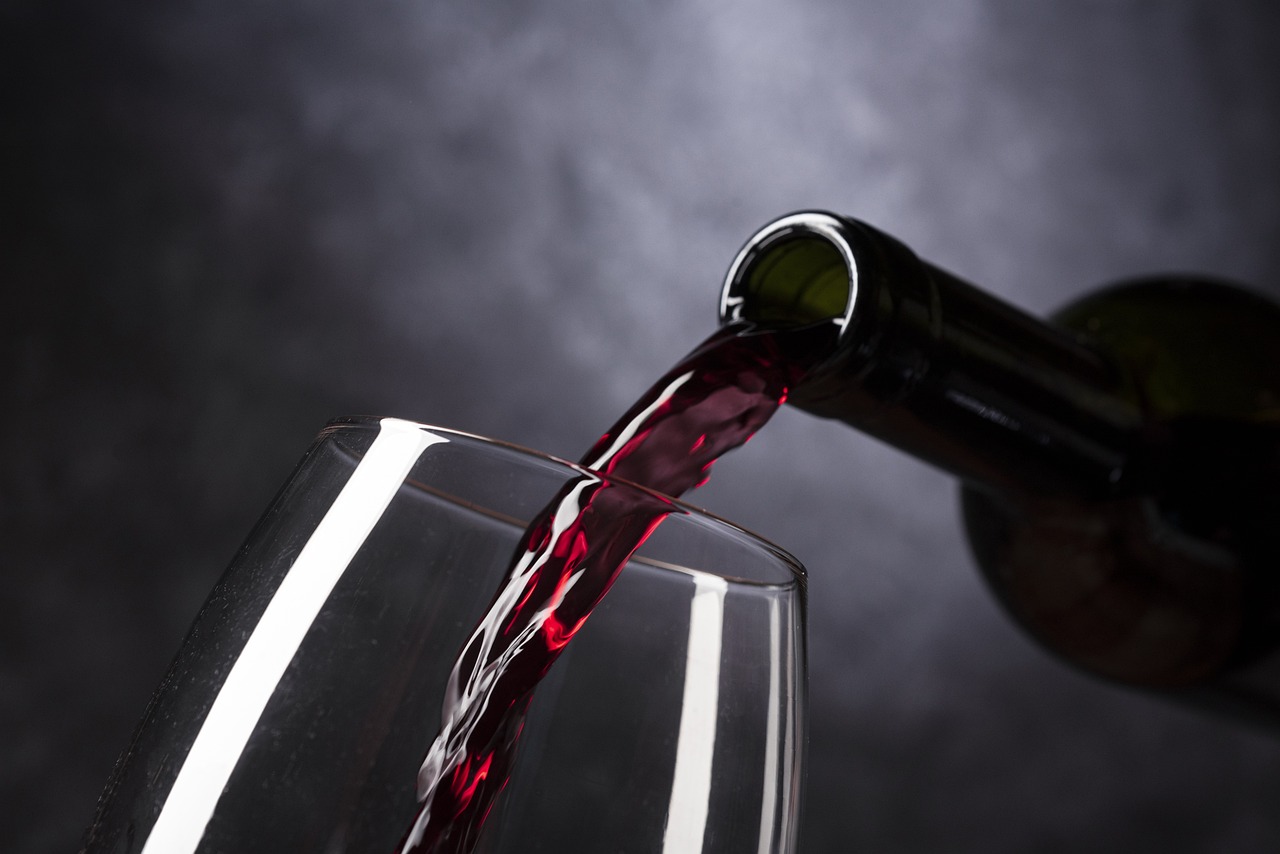
The Bordeaux region, located in south-western France, is renowned worldwide for its exceptional wines. This wine region extends over nearly 120,000 hectares and produces mainly red wines, but also dry and sweet whites. The temperate oceanic climate and the varied soils (gravel, clay-limestone) contribute to the exceptional quality of Bordeaux wines.
Prestigious appellations such as Médoc, Saint-Émilion or Pomerol attract many investors. However, the price of estates can be very high in these reputed areas.
Burgundy, located in eastern France, is famous for its red wines made from Pinot Noir and its whites from Chardonnay. This region extends over four departments and offers a mosaic of terroirs, each bringing its own unique touch to the wines. Appellations such as Chablis, Côte de Nuits or Côte de Beaune are particularly prized. Burgundy is ideal for those seeking wines of great finesse and complexity.
Champagne, located in north-eastern France, is the sparkling-wine region par excellence. Its cool climate and chalky soils are perfect for producing the base wines used in the champagne method. Investing in an estate in Champagne can be very costly, but global demand for these prestigious wines remains strong.
The main grape varieties grown in Champagne are Chardonnay, Pinot Noir and Pinot Meunier. The champagne winemaking method, recognised worldwide, gives rise to sparkling wines of great finesse.
The Loire Valley, stretching from the Nantes region to Touraine over more than 1,000 km, offers a great diversity of wines, from dry whites to light reds and sparkling wines. Emblematic grape varieties such as Sauvignon Blanc, Chenin Blanc and Cabernet Franc produce Loire wines renowned for their freshness and varied aromas.
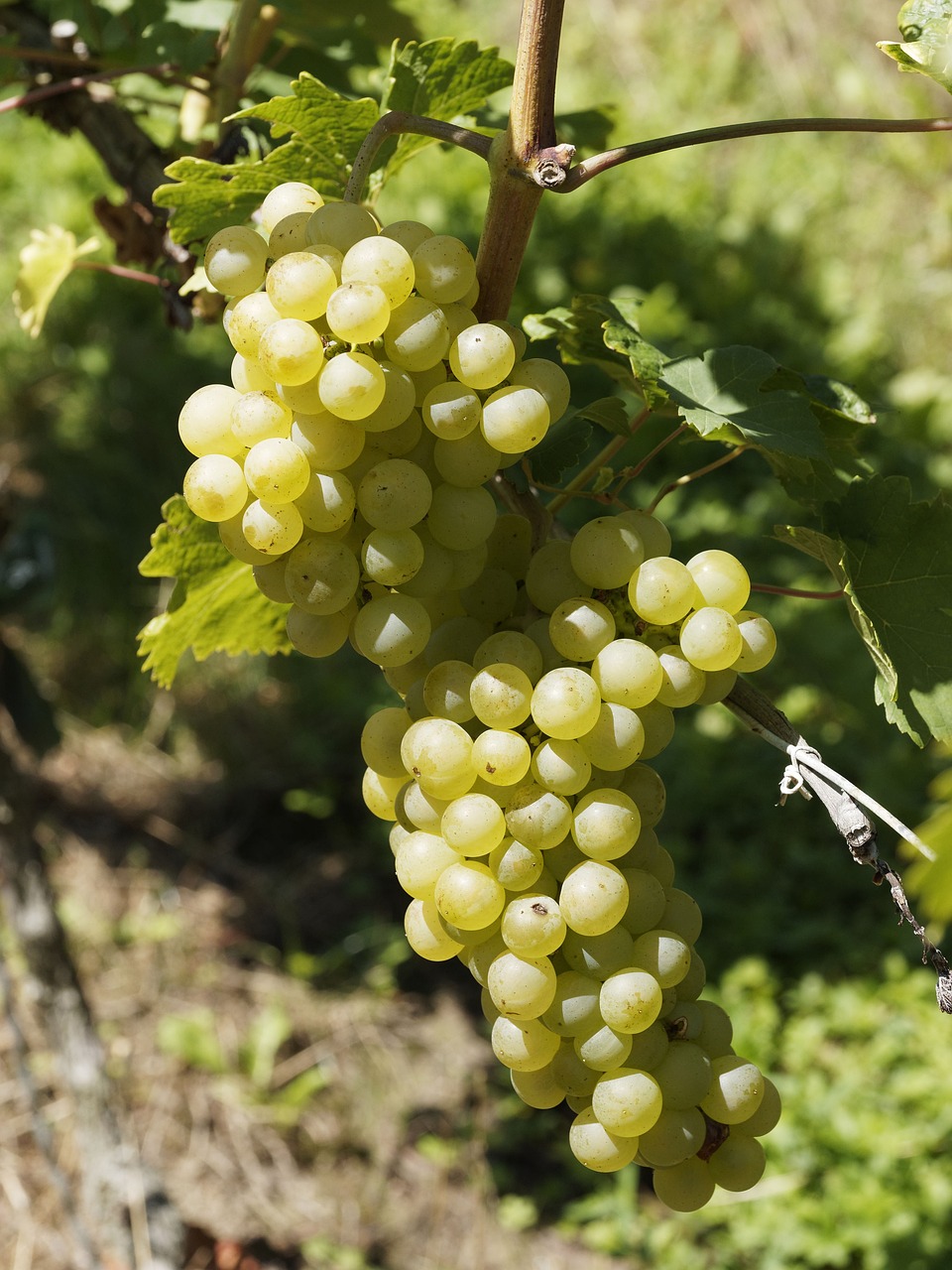
This region is ideal for those looking to produce different styles of wine on the same estate. Appellations such as Sancerre, Vouvray or Chinon are gaining recognition and can represent good investment opportunities.
The Languedoc-Roussillon vineyard is the largest in France. It enjoys a Mediterranean climate ideal for growing grape varieties such as Grenache, Syrah and Mourvèdre, giving rise to powerful red wines and flavourful rosés. Estate prices are generally more affordable than in more prestigious regions, offering attractive opportunities for new investors.
The Rhône Valley, stretching from Lyon to the Mediterranean, is renowned for its powerful red wines and aromatic whites. The Mediterranean climate in the south and continental climate in the north allow for a great diversity of styles. Appellations such as Côte-Rôtie, Hermitage or Châteauneuf-du-Pape are particularly sought after.
The Côtes du Rhône, divided into northern and southern parts, offer a great diversity of wines. Grenache, Syrah and Mourvèdre are the main grape varieties for red wines, while Viognier and Marsanne dominate for the whites.
Alsace, a region in eastern France, stands out for its aromatic white wines and its crémants. The semi-continental climate and varied soils allow the cultivation of grape varieties that are unique in France, such as Riesling, Gewurztraminer or Pinot Gris. This region is ideal for those wishing to specialise in characterful white wines.
The Jura, a small wine region in eastern France, produces unique wines such as vin jaune (yellow wine) and vin de paille (straw wine). Local grape varieties such as Savagnin and Poulsard offer original taste experiences. This region is attracting more and more enthusiasts in search of authenticity and preserved traditions.
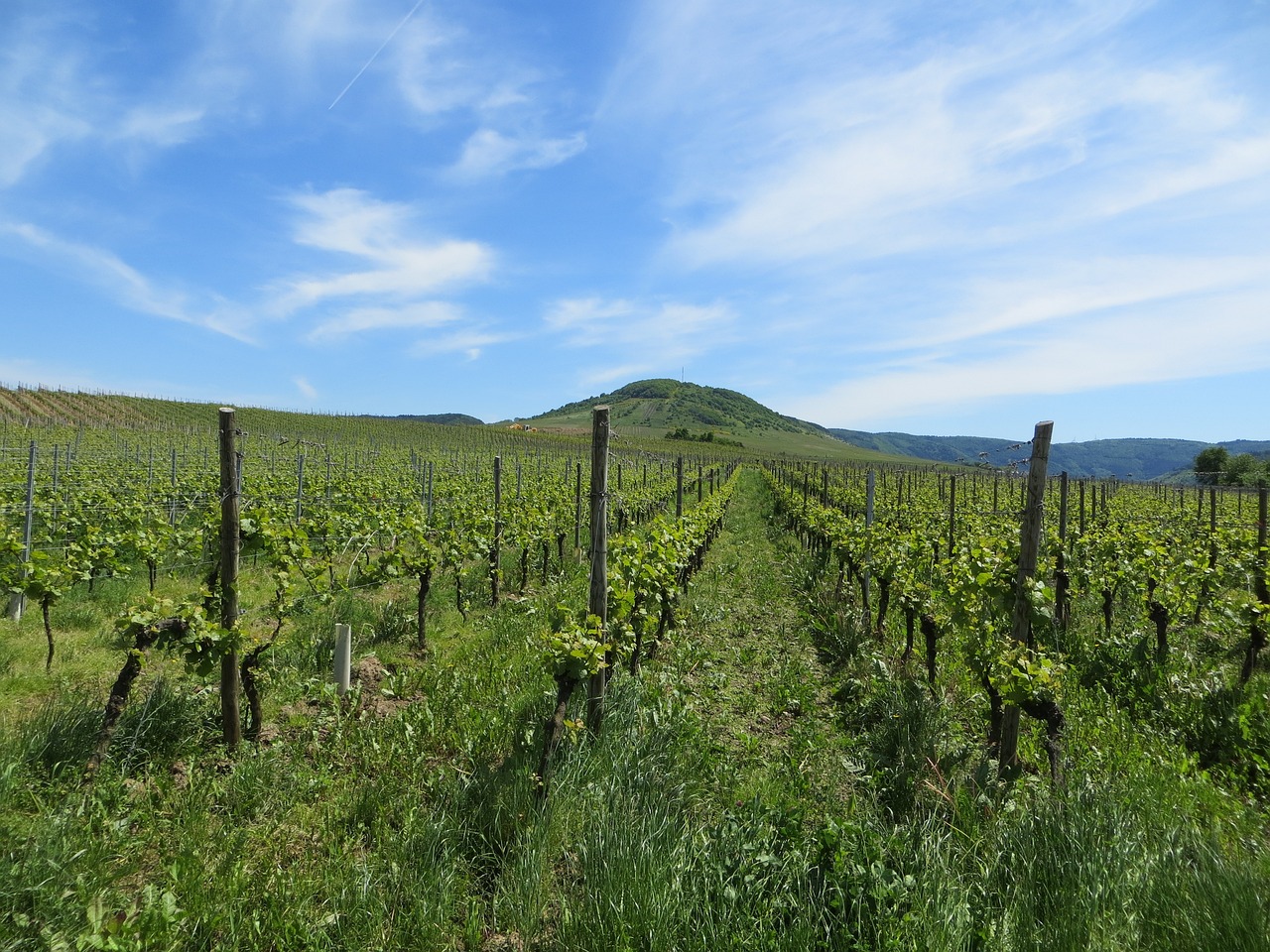
Savoie, an Alpine region, produces fresh, light wines, perfect for accompanying the local cuisine. Native grape varieties such as Mondeuse and Jacquère yield original wines that are increasingly appreciated. This region offers the opportunity to combine viticulture with mountain tourism.
Corsica, with its Mediterranean climate and varied soils, produces unique wines. Native grape varieties such as Nielluccio and Sciaccarello give rise to characterful red and rosé wines, while Vermentino offers aromatic whites.
The South-West vineyard, stretching from the Pyrenees to the Massif Central, abounds in local grape varieties such as Tannat, Malbec and Petit Manseng. This region offers a great diversity of wines, from powerful reds to sweet whites.
The choice of wine region is also a financial choice. Our observatory of vineyard prices in France publishes each year the median prices derived from DVF data (Demandes de Valeurs Foncières), which records actual vineyard transactions registered by the tax administration. On a cleaned base of nearly 17,600 transactions (second half of 2020 to end of 2025), the national median price stands at €23,985/ha in 2025.
The table below shows the 2025 DVF median price for each major wine region, along with the link to the corresponding detailed article. The median price represents the typical transaction (half of sales close below it), to be distinguished from the average price (€205,441/ha in 2025), which is strongly pulled upwards by the most prestigious appellations.
| Wine region | 2025 median price (€/ha) | Reference article |
|---|---|---|
| Champagne | €1,000,000/ha | Vineyard prices in Champagne |
| Burgundy | €125,000/ha | Vineyard prices in Burgundy |
| Savoie | €57,216/ha | Vineyard prices in Savoie |
| Provence | €39,864/ha | Vineyard prices in Provence |
| Jura | €39,361/ha | Vineyard prices in the Jura |
| Beaujolais | €39,312/ha | Vineyard prices in Beaujolais |
| Cognac | €28,636/ha | Vineyard prices in Cognac |
| Rhône Valley | €20,357/ha | Vineyard prices in the Rhône Valley |
| Loire Valley | €17,000/ha | Vineyard prices in the Loire Valley |
| Bordeaux | €15,434/ha | Vineyard prices in Bordeaux |
| Roussillon | €13,918/ha | Vineyard prices in Languedoc-Roussillon |
| Languedoc | €13,531/ha | Vineyard prices in Languedoc-Roussillon |
| South-West | €9,205/ha | Vineyard prices in the South-West |
Source: DVF, processing by ma-propriete.fr. Median price of vineyard transactions, full year 2025 (cleaned base, around 2,951 transactions). Corsica not included (data not representative).
These figures reflect the typical buyer's market and not the appellation values published by the SAFER, which give greater weight to the major appellations. The two sources are complementary. For a complete vineyard-by-vineyard analysis, see our series on vineyard prices in France.
Climate and soil are decisive for the quality and style of the wines produced. Each region offers unique conditions that directly influence vine growing and winemaking.
A region's winemaking history can be a major asset, particularly for developing wine tourism. Regions such as Burgundy and Bordeaux benefit from a thousand-year-old winemaking heritage.
Each region has its own rules regarding viticulture and winemaking. The controlled designations of origin (AOC) impose constraints but also guarantee a certain level of quality and renown.
The AOC/AOP system (Appellation d'Origine Contrôlée/Protégée — Controlled/Protected Designation of Origin) guarantees the origin and quality of French wines. Each appellation has its own specifications, influencing growing and winemaking methods.
Demand for the wines of certain regions can vary considerably. It is crucial to study market trends and export opportunities before investing.
Wine tourism is booming in France. Choosing a region with strong tourism potential can be a major asset in enhancing the value of your estate. Regions such as Provence and Bordeaux attract many visitors from around the world, fascinated by the vineyard landscapes and the French art of living.
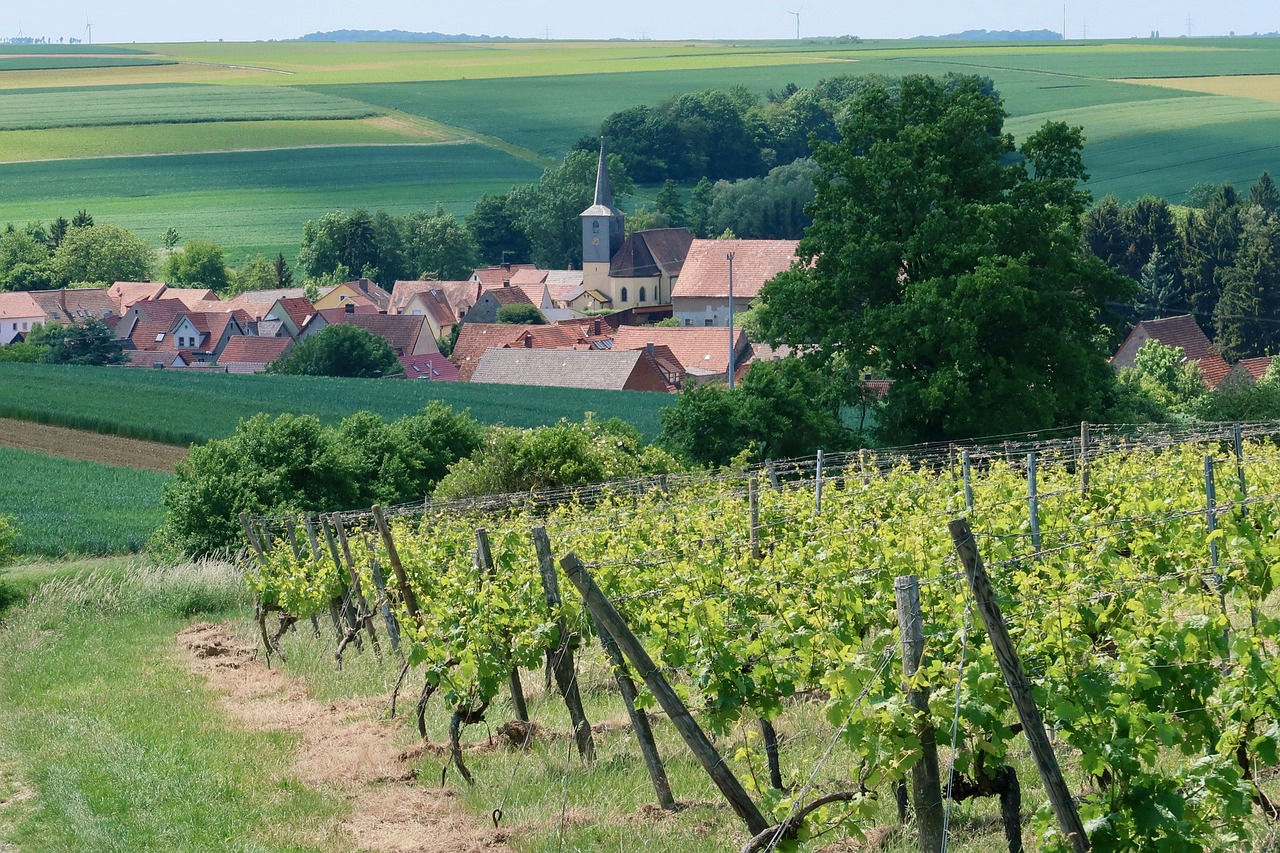
Choosing a wine region for purchasing an estate depends on many factors. Whether you are drawn to the prestige of Bordeaux, the elegance of Burgundy, or the potential of emerging regions, France offers an incomparable diversity of terroirs and wine styles. The 2025 DVF data confirm that the price range is considerable: from €9,205/ha in median for the South-West to €1,000,000/ha for Champagne. The key is to clearly define your objectives, study the local land market and immerse yourself in the spirit of your chosen region to make your wine project a success.