Updated 2 June 2026.
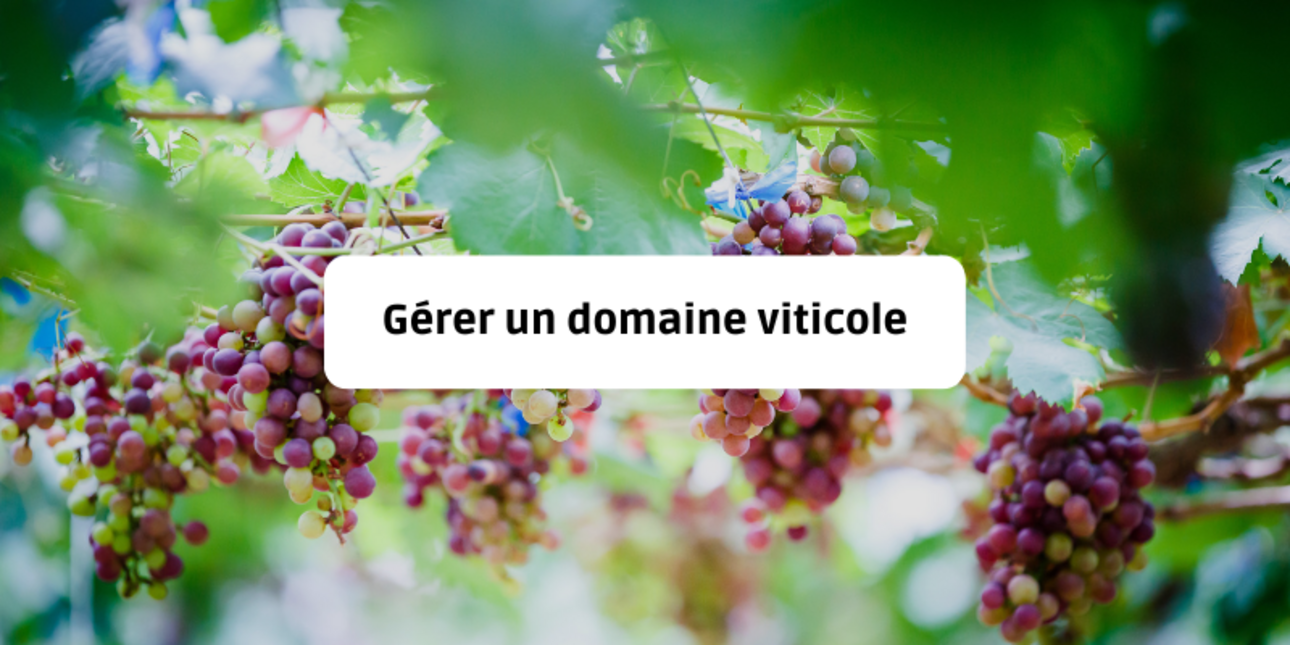
Passionate about wine and viticulture, you secretly dream of one day becoming a winegrower: owning your own wine estate, producing your own bottles of wine and turning your passion into your profession. Many investors, from all backgrounds, take the plunge one day and buy a wine property in one of our many prestigious French vineyards. Why not you? We provide you with some information on the skills required for managing a wine estate. Many schools offer training to help you acquire the skills you lack. And as with any business, you can also rely on the expertise of your employees and service providers.
The viticulturist is the person who grows the vines for wine production. They therefore work almost exclusively in the vineyards. The winegrower is the person who grows the vines (and is therefore also a viticulturist) and who makes the wine. They must therefore master the entire production process up to vinification, as well as all the commercial, administrative and other tasks that characterise a business.
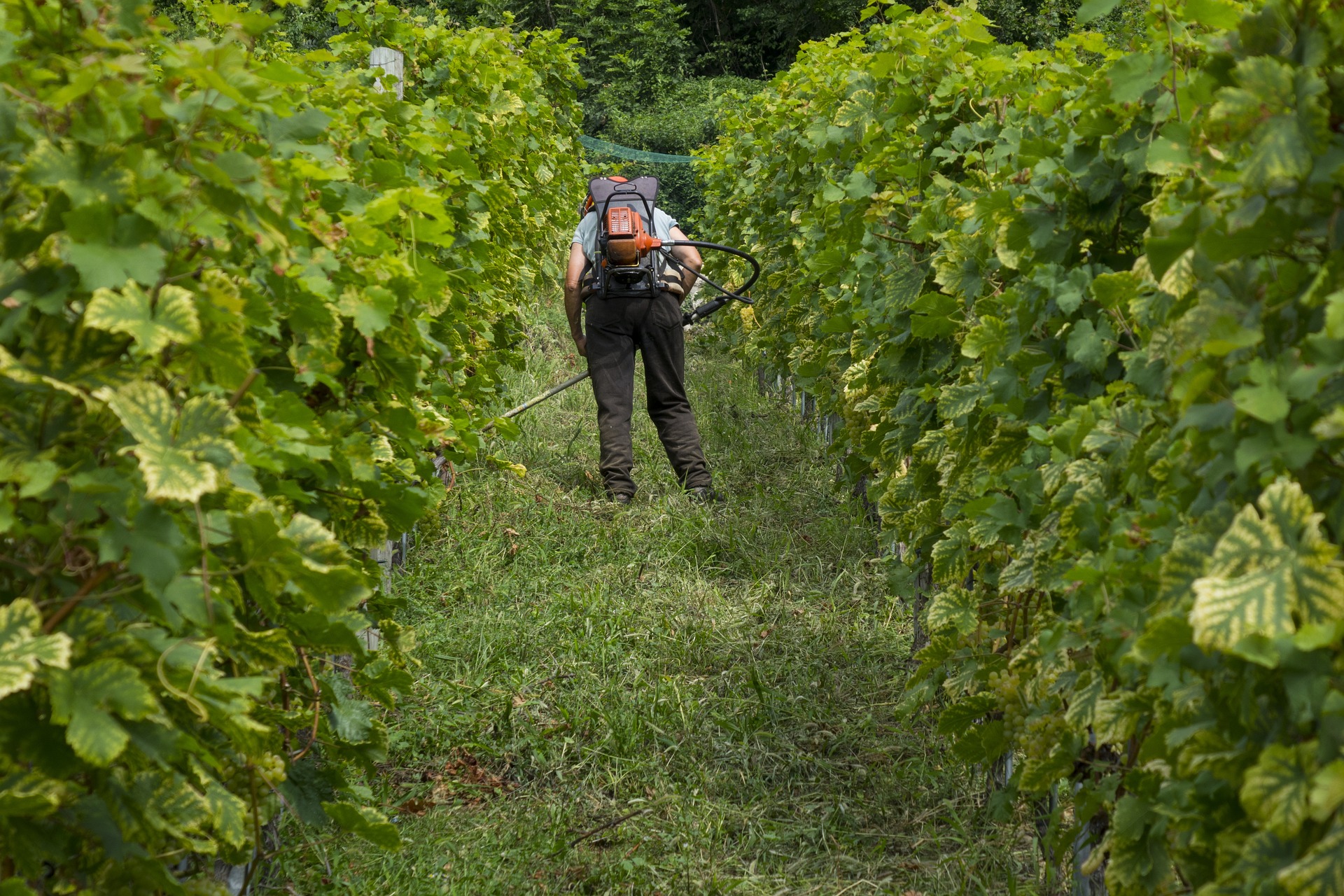
To manage a wine property well, you must therefore become a good winegrower.
You must acquire skills related to production:
And you must also develop the skills required of any business owner:
There are many training courses that will teach you how to progress towards successfully managing your wine estate. From the CAP viticulture qualification to an engineering degree, the options are very numerous and there will always be a training course available in your wine region.
Some courses are more focused on wine production, while others will allow you to develop your commercial and business management skills.
La Revue du Vin de France has carried out very thorough work identifying 80 wine training courses all over France.
It is not always easy to go back to school after a more or less long professional career. In this case, you can opt for a BPREA (Brevet professionnel Responsable d'Entreprise Agricole — Professional Certificate as Head of an Agricultural Business) geared towards the wine trades. This course, which lasts less than a year, is particularly suited to career changes and will give you the Professional Agricultural Capacity, which will facilitate the setting-up procedures.
Agricultural training always includes internships on viticulture estates. This is therefore a first experience that will allow you to observe the diversity of the tasks and the technical nature of the profession. Following training courses, internships and salaried jobs will also make it easier to put together the financial package for your wine project. Banks indeed attach great importance to the professionalism and motivation of candidates.
Fortunately, as in any business, while you must know your trade, you do not necessarily need to master everything perfectly. In addition to using employees, which becomes necessary beyond a certain size, you will indeed have the option of calling on service providers:
Managing a wine estate also means managing land assets whose value varies greatly depending on the vineyard and the appellation. According to DVF 2025 data analysed in our observatory of vineyard prices in France, the national median price of vineyards stands at €23,985/ha — with considerable disparities between vineyards: from €9,205/ha in the South-West to €125,000/ha in Burgundy and €1,000,000/ha in Champagne. This hierarchy, drawn from nearly 17,600 actual transactions recorded by the tax authorities, is a valuable benchmark for assessing the value of your land asset, anticipating a transfer or arbitrating between wine investment and wealth optimisation. Also consult our white paper on creating a wine estate for a complete overview of the key steps.
Managing a wine estate requires a very broad range of skills, because it is a real business. It is essential to train and to be assisted by professionals from the wine world for the success of your project.