

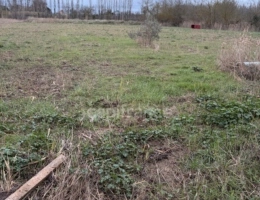
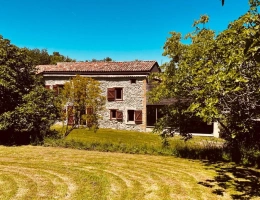
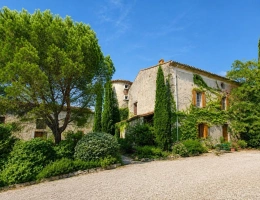
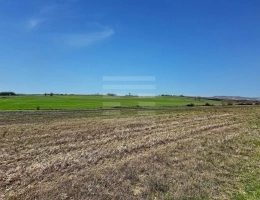
A market garden for sale in Aude is sought in a department where the vine dominates and where vegetables hold the irrigable ground of the lower plain, a few pockets of the valley and a scatter of mixed holdings inland. The files brought together on this page reach us from farmers arranging their retirement, from local agencies working in rural property and from notarial offices; they state the water resource available, the covered area, the packing equipment and how the crop finds its buyer. Compare them with the whole range of market gardens and nurseries for sale on the portal.
This page adds what a single visit will not show: the level of land values locally, the geography of holdings coming to market, how to read greenhouses exposed to a steady prevailing wind, and the checks to run before buying ground that was recently under vine. Our white paper « Créer une exploitation agricole » (in French) details each stage of setting up.
Land value drives much of the asking price for a market garden or nursery. French tax transfer statistics (DVF, vineyards excluded) show, for 2025, a median of €5,765/ha in Aude (11), an average of €6,627/ha and 59 sales; 80% of transactions settle between €3,315 and €10,351/ha, against a national median of €5,307/ha.
On the SAFER side, the value of vacant land and pasture is set at €6,610/ha for 2025, moving +3.9% over a year and +0.2% over ten, against €6,460/ha nationally; expect an average discount of 17% where a lease is running.
In this department a price is explained first by water and by the downstream end. What comes into play is access to a pressurised irrigation network or to a source of your own, the texture and salinity of the plain soils, the extent and soundness of the covered growing, the washing line, the cold capacity, the standing area for young plants, and then the customer base handed over: wholesalers, garden centres, open-air markets, restaurants and local retailers. Read those points against our land price observatory and our financial calculators.
Wind governs the technical survey. In a department swept much of the year by the cers and the tramontane, a covered structure is judged on the quality of its anchoring, the section of the hoops, the bracing, how the film is clamped and how the gable ends are protected; a structure that holds badly is paid for in repairs and lost crops. Then check the sprinkler and drip networks, the filtration, the fertigation unit, and after that the packhouse: washer, grading table, cold room, covered loading bay. For a greenhouse business in ornamentals, the questions turn on benching, sub-irrigation, movable shading and the range of young plants offered.
The trading model drives most of the valuation. A unit supplying wholesalers or retail buyers is measured on the regularity of its volumes and the quality of its grading; a farm selling direct draws its worth from local standing and from how visitor numbers move through the season. Where the lot includes a substantial house or a former wine cellar, insist on a detailed split of the price between dwelling, working buildings and land.
The lower Aude plain, between Coursan, Cuxac-d'Aude and Ouveillan, carries the largest vegetable areas, thanks to alluvial soils and organised irrigation; nearby Narbonne and summer visitors on the coast also support direct selling. The Marseillette basin, a drained lake east of Carcassonne, suits irrigated cropping on deep ground. The Lauragais, towards Castelnaudary, remains arable country, with a few vegetable units leaning on the Toulouse axis. To the south, the upper valley around Limoux and the Razès hold more modest holdings, often farmed organically.
Pressure on land does not come from growers alone: viticulture, the spread of coastal towns and renewable energy projects compete for the same plots on the plain. Inland, land becomes affordable again, but the distance from the consumer market calls for heavier logistics and for a serious look at how much water is actually available each summer.
Ask first for the title attached to the water: membership of an irrigation association, a subscription to a pressurised network, a river intake or a declared borehole, with the volume authorised and the annual charge. Have the pressure available at peak spelled out, along with the record of summer restrictions. On ground recently taken out of vines, have the soil analysed: compaction, copper residues and the structure of the profile shape your first vegetable seasons. Check as well how the parcels are classified in the planning document and the flood exposure of sectors close to the river.
Look at any organic certification, how long it has run and whether it continues after the change of operator, and at trading agreements which, made in consideration of the seller personally, do not pass on automatically. The sale goes through the structures control, the French authorisation regime for taking over farmland, and SAFER may pre-empt. Where covered structures or buildings went up without being declared, putting that right will fall to you: list them before signing the preliminary contract.
The properties shown in this section come as much from farmers handing over as from local agencies and notarial offices. Refine your search by area, by budget and by district, switch on an alert so you follow new listings without checking back daily, and carry on to the market gardens for sale in Occitanie.


