
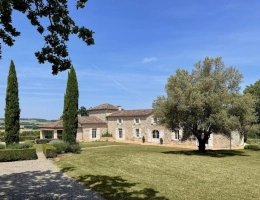
A historic monument for sale in Lozère almost always stands in open countryside, far from any large town: a granite stronghold on the heights of the Aubrac, a Romanesque priory in the Gévaudan, a mill in the Lot valley or a fortified farmhouse in the Lozère Cévennes. A harsh climate, extensive livestock farming and mountain isolation have preserved a small but remarkably intact protected heritage, built in granite, schist or limestone depending on the causse. Heavy stone-slab roofs and massive roof timbers reflect an architecture built to withstand snow and wind. Browse the historic monuments for sale listed by the department's private owners, agencies and notaries.
This page sets out the protected building types found in Lozère, the areas from the high Aubrac to the Gévaudan and the Cévennes where they occur, the obligations attached to their status and the grants available for restoring a remote property, leaving cost and budget figures entirely aside. For a broader approach to buying a character residence in this mountain setting, read our guide to buying prestige property in France.
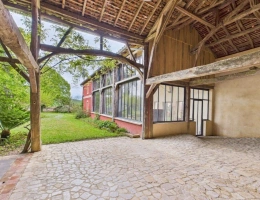
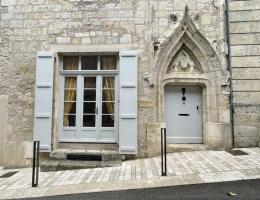
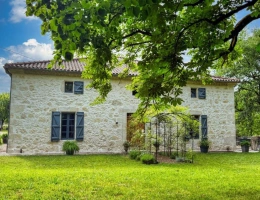
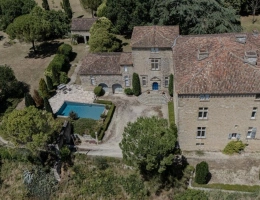
Protected buildings in Lozère are marked by thick granite walls on the Aubrac plateau, pale limestone on the causses, or darker schist towards the Cévennes, always built to withstand a harsh mountain climate. Heavy schist or limestone stone-slab roofs rest on massive, steeply pitched timber frames, while openings stay deliberately small to limit heat loss. Romanesque priories and chapels in the Gévaudan, often standing alone, keep an architectural restraint inherited from the Middle Ages.
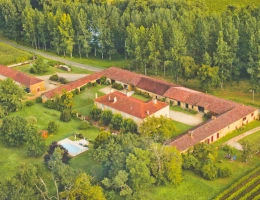
The outbuildings reflect an old pastoral economy: summer-pasture buron huts once used for cheesemaking on the Aubrac, vaulted sheepfolds, massive byre-barns and water mills on the Tarn or Lot gorges. Most of these buildings kept a farming use until recently, which explains large utilitarian spaces but sometimes basic living quarters still to be converted. Restorations favour local materials, granite or stone slabs, and reinforced timber framing able to carry the weight of the traditional roof.
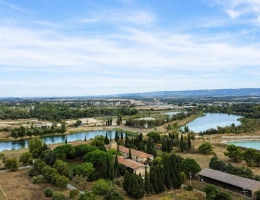
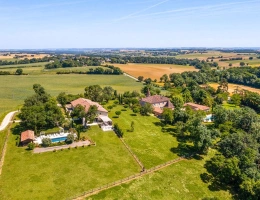
Around Mende and the Gévaudan, protected heritage concentrates in the Lot and Bramont valleys, among old market towns and scattered hamlets. The Aubrac plateau, around Nasbinals and Saint-Chély-d'Apcher, keeps fortified farmhouses and buron huts scattered across a landscape of high-altitude pasture, while the Margeride to the north keeps a more forested setting. To the south, the Lozère Cévennes, around Florac and Mont Lozère, and the causses, around Sainte-Enimie and the Tarn gorges, offer rarer but highly authentic buildings set against contrasting relief.
Lozère has no TGV station; rail access is limited to small regional lines around Mende, and the road remains the main way in, in particular the RN88, which crosses the department from east to west. Areas near Mende and the main routes remain relatively more accessible; the Aubrac and the Lozère Cévennes, deeply isolated, offer protected properties on particularly affordable terms for a comparable size, though buyers should weigh the distance from services carefully.
Check carefully whether the property is classified or registered, since this determines the degree of control over works: in both cases, any work on the façades, roof or surroundings requires approval from the Architecte des Bâtiments de France, with a classified building additionally needing sign-off from the regional historic monuments office. When a classified building is sold, the seller must inform the buyer of this status and the administration must be notified of the transfer within the required time.
Have a professional confirm the conditions for accessing the historic-monument tax regime and the grants available from the Fondation du patrimoine, particularly useful for an isolated property. On the technical side, check the strength of the roof structure under the weight of the stone-slab roof, often-difficult winter access and the private drainage system, reserving any restoration for a contractor qualified in mountain building techniques.
Historic monument listings in Lozère come from private owners, local agencies and notaries covering the whole department; filter them by area, type and outbuildings, and set an e-mail alert to follow new listings as they appear. Compare with neighbouring departments via historic monuments for sale in Occitanie.