


A historic monument for sale in Haute-Vienne is rooted in Limousin granite, from the older quarters of Limoges, the porcelain city, to fortified residences in the Monts de Blond and the chateau of Rochechouart, built on the site of a meteorite impact. The department keeps rural priories, mills on the Vienne or the Glane, and urban townhouses, protected for their architecture or their part in local history. Browse the historic monuments for sale listed by the department's private owners, agencies and notaires.
This page brings together the protected building types found in Haute-Vienne, the areas where they are spread, the obligations that come with classified or registered status, the grants available for restoration, and the checks worth making before you buy. Granite construction and the department's damp climate set the tone for much of what follows. To place this project within a wider framework, read our guide to buying prestige property in France.
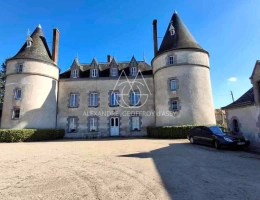
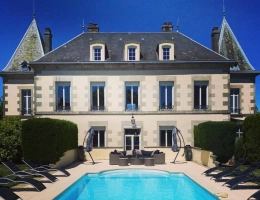
Grey, sometimes pinkish, granite dominates protected buildings in Haute-Vienne, from fortified residences in the Monts de Blond to townhouses in the old centre of Limoges. The chateau of Rochechouart, often cited as the department's reference listed chateau, illustrates defensive architecture later reworked in Renaissance style, built on an unusual geological base. The more modest rural residences keep corner towers and arrow slits inherited from troubled periods, some protected as a registered building for their façade or roof frame.
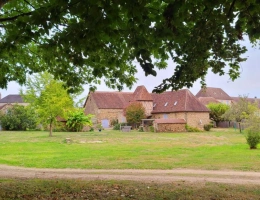
Outbuildings often include granite farm buildings, dovecotes and, near watercourses, former mills on the Vienne, the Glane or the Briance. Condition remains highly variable, between carefully restored residences and isolated buildings treated as a residence to restore, needing a new roof or masonry repair. Recent projects favour local granite and lime renders suited to the Limousin's damp climate.
Limoges and its urban area hold a dense stock of protected town heritage, between townhouses and former porcelain workshops now converted to other uses. The Monts de Blond, to the north-west, and the Saint-Junien area, to the west, keep fortified residences standing alone amid moorland and granite bocage. To the north, the Rochechouart area offers a remarkable castle heritage, while to the south, towards Saint-Léonard-de-Noblat and the Vienne valley, residences and mills survive close to the river. To the east, towards Bellac and the Nexon area, a more rural pattern of settlement keeps modest residences, often offered to buyers looking for a gradual restoration project. The Limoges urban area and the Saint-Léonard-de-Noblat district remain the most sought after; the Monts de Blond stay more accessible.
Haute-Vienne has no TGV station; Limoges-Bénédictins is served by Intercités and TER links to Paris, in a little under three hours. The A20 motorway crosses the department from north to south, linking Limoges to Poitiers and Brive-la-Gaillarde, and Limoges-Bellegarde airport adds regional and European connections.
First establish whether the property is classified, which requires the approval of the Architecte des Bâtiments de France and the opinion of the regional heritage conservation office for any work on protected features, or merely registered, a more flexible status outside the listed elements. The historic-monument tax regime, which can ease the cost of restoration, remains subject to precise upkeep conditions, worth confirming with a professional before any commitment.
Selling a classified building requires the buyer to be warned of its protected status and the relevant administration to be notified, a formality worth preparing with the notaire from the preliminary contract onward. On the technical side, have granite walls checked for dampness, common in the Limousin climate, inspect the slate or tile roofing, and confirm the availability of contractors qualified in stone masonry, scarcer in areas far from Limoges. Also check direct access to the property from the public road network, since some isolated residences in the Monts de Blond are served only by a private track the owner must maintain.
Historic monument listings in Haute-Vienne are placed by private owners, agencies specialising in protected heritage and local notaires; filter them by area, protection status and outbuildings, and set an e-mail alert to follow new listings. To compare with Creuse, Corrèze or Charente, browse the historic monuments for sale in Nouvelle-Aquitaine.


