Updated April 8, 2026: Find the most recent data on land prices on our Land Price Observatory (DVF data 2020-2025) which presents average and median prices and transaction ranges for your region and each department.
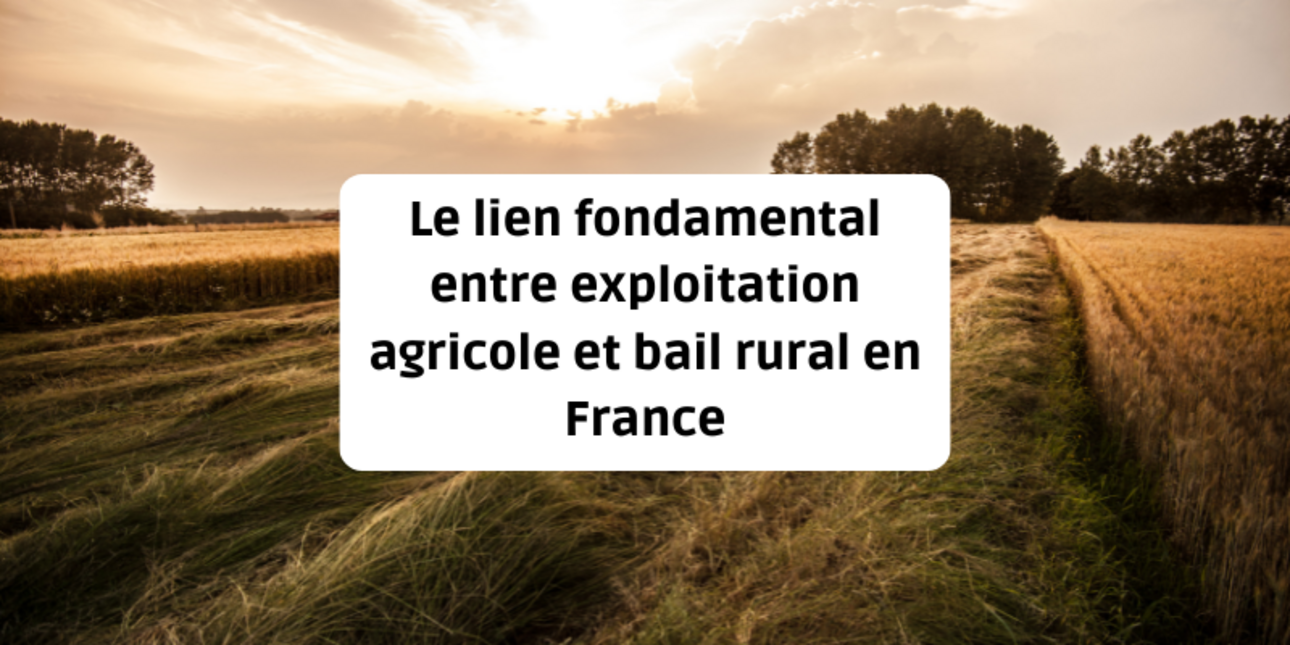
The agricultural holding and the rural lease are two elements closely linked in the French agricultural landscape. Indeed, the rural lease constitutes the main legal framework allowing many farmers to access the land necessary for their activity without being the owners. In short, it is difficult to buy an agricultural holding without signing a rural lease.
We are regularly contacted by internet users faced with a particular problem related to rural leases:
We generally direct these enquirers to legal professionals. Indeed, each situation is unique and it is necessary to take the time to precisely examine all the elements to provide a reliable answer.
However, it seemed interesting to us to present the main rules of rural leases. In fact, the majority of problems originate in the lack of knowledge regarding the status of the tenancy. If the parties, tenant and lessor, had understood the specificities of the leases, many of these problems would have been avoided.
This introductory article therefore aims to present the broad principles governing this crucial relationship between the agricultural holding and the rural lease in France.
The rural lease, also called a farm lease, is a rental contract specific to the agricultural sector. It is an agreement concluded between a landowner (the lessor) and an agricultural operator (the tenant), allowing the latter to use agricultural land or buildings in exchange for rent.
The rural lease has several distinctive characteristics:
The rural lease plays a crucial role in the operation and development of many agricultural holdings in France. Here is why:
For many farmers, particularly young people starting out, the purchase of agricultural land represents a considerable investment. The rural lease offers a viable alternative, allowing access to the land necessary for exploitation without mobilizing significant capital.
It can be noted that 51% of land in France is exploited under a rural lease. The balance is distributed between land owned by the operators and land made available by individuals to a company in which they are partners.
The minimum 9-year duration of the rural lease offers the operator a certain security. This period allows them to plan their activities in the medium term, to invest in the holding, and to develop their activity without fear of short-term eviction.
The rural lease allows, under certain conditions, the leased land to be made available to an agricultural operating company. This possibility offers increased flexibility to farmers in the structuring of their activity.
The discount related to rental status is measurable: vacant land is traded on average at €6,038/ha (2024 DVF data, all land types combined). For leased land, SAFER statistics report a discount that can range from 10% to 30% depending on the region.
As the tenant of a rural lease, the agricultural operator has several important responsibilities:
The tenant must devote themselves to the exploitation of the leased property in an effective and permanent manner. This obligation is fundamental and its non-respect can lead to the termination of the lease.
The operator must regularly pay the rent agreed with the owner. This rent, called "fermage" in the context of a rural lease, is generally regulated and framed by prefectural decrees.
The operator must respect all the clauses of the lease, particularly those concerning the maintenance of the leased property and cultivation practices.
In certain cases, such as making the land available to an operating company, the tenant has the obligation to inform the owner. This information must be provided within precise timeframes and according to a specific formalism.
The rural lease is distinguished from other types of leases by several aspects:
The farm tenancy status, which governs rural leases, offers significant protection to the tenant. For example, the renewal of the lease is a right, unless the owner can invoke a serious and legitimate reason.
Unlike many other types of leases, rural lease rents are strictly regulated. They are set according to ranges defined by prefectural decree.
The tenant of a rural lease benefits from a right of pre-emption in the event of the sale of the land they operate. This provision strengthens the link between the operator and the land they cultivate.
The rural lease constitutes a fundamental pillar of the organization of agricultural exploitation in France. It allows many farmers to access the land necessary for their activity while benefiting from a protective legal framework. However, this status also involves significant responsibilities for the operator, particularly in terms of the effective exploitation of the land and respect for the lease clauses.
In the next articles in this series, we will explore in more detail the various aspects of the rural lease, such as its conclusion, its renewal, the rights and obligations of the parties, as well as the specificities related to certain types of agricultural holdings.
This in-depth understanding of the rural lease is essential for any actor in the agricultural world, whether they are a landowner, an existing operator, or a future farmer.
Author's note: The information we present is purely informative and educational in nature and cannot substitute for an analysis carried out by a rural law professional. In the event of conflict, difficulty, etc., we invite you to contact one of these professionals (lawyers, notaries, rural law jurists, etc.).