



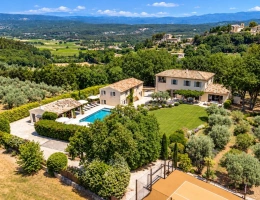
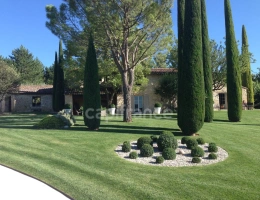
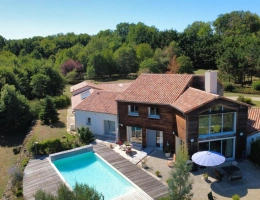
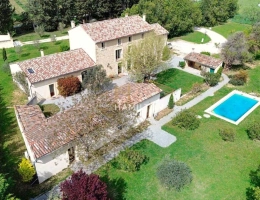
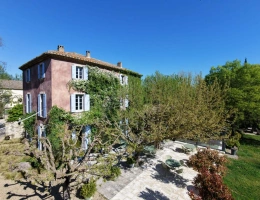
A historic monument for sale in Vaucluse readily brings to mind a former Provençal mas in the Luberon, a bastide in the Comtat Venaissin, or an oil mill set at the foot of Mont Ventoux. From Avignon to Apt, by way of Carpentras and Vaison-la-Romaine, this protected heritage combines golden limestone, canal tiles and terraced gardens. Browse the historic monuments for sale listed by the department's private owners, agencies and notaries. Some of these buildings remain tied to a working farm or olive grove still active in the surrounding countryside.
This page presents the protected typologies found in Vaucluse, the areas where they occur, the obligations and grants tied to their status, and the checks to make before any restoration project in a Provençal climate. To place this purchase within a wider approach, read our guide to buying prestige property in France. Buying such a property means understanding beforehand the steps tied to its protected status before committing.
In the Comtat Venaissin, around Carpentras and L'Isle-sur-la-Sorgue, the Provençal bastide predominates, with limestone facades, genoise eaves and coloured shutters. In the Luberon, around Gordes, Bonnieux and Ménerbes, the dry-stone mas is arranged around a courtyard and farm outbuildings, often with an attached dovecote. Towards Vaison-la-Romaine and the foot of Mont Ventoux, townhouses and former mid-mountain farms reflect a longer history, at times reaching back to Roman times. The dry-stone terraces surrounding many Luberon mas, once used for terraced farming, need regular upkeep to avoid slippage.
Outbuildings recall the Provençal farming economy: oil mills still fitted with their millstones, dry-stone huts, and irrigation basins linked to the Comtat's traditional canals. Many of these buildings were enlarged in the eighteenth century with an added storey or wing. Recent restorations look for craftsmen skilled in local limestone and traditional canal tiles. Some mills retain their original settling basin, a rare feature now sought by buyers wishing to restore a full heritage use of the whole ensemble.
The Comtat Venaissin, around Carpentras, Pernes-les-Fontaines and L'Isle-sur-la-Sorgue, holds a significant number of protected bastides and residences. The Luberon, from Gordes to Bonnieux and Apt, draws buyers seeking restored mas, while the Mont Ventoux area, towards Malaucène and Vaison-la-Romaine, offers a more rural heritage. To the south, towards Pertuis and the Pays d'Aigues, residences move closer to the Luberon style at more measured entry levels. Proximity to Avignon, the papal city listed as a world heritage site, naturally widens the choice of protected properties within a few tens of minutes.
Avignon TGV station places Vaucluse a little over two and a half hours from Paris, with fast road links to Carpentras and the Luberon. The most sought-after areas remain the Luberon, around Gordes and Bonnieux, and the area around Avignon; the Pays d'Aigues and the north of the Comtat, towards Vaison-la-Romaine, offer comparable and more accessible properties. The A7 motorway and the Rhône valley road ease links between Avignon, Orange and routes towards Marseille and Lyon.
Establish whether the building is classified or registered, since this status sets the degree of oversight exercised by the Architecte des Bâtiments de France over facade, roof or surrounding-area works, and the processing times to build into the purchase timeline. The seller is required to inform the buyer of the building's exact status, and the sale of a classified building must be notified to the relevant administration. In the north of the department, strong mistral gusts call for particular attention to the fixing of canal tiles and the strength of older roof timbers.
The historic-monument tax regime may, subject to conditions checked before purchase, allow certain restoration costs to be deducted. On site, have the condition of the dry-stone terraces checked, water availability for irrigation during summer drought, and the roof's resistance to the mistral wind, then route the works through a contractor qualified for protected Provençal buildings. Also check the condition of the Comtat's traditional irrigation channels, whose upkeep is often the responsibility of a local water association to identify before purchase.
Historic monument listings in Vaucluse come from private owners, agencies specialising in Provençal heritage and notaries; filter them by typology, area and outbuildings, and set an e-mail alert to track new listings. To widen the search, browse historic monuments for sale in Provence-Alpes-Côte d'Azur. Finally, ask about access to the terraces and adjoining plots, sometimes subject to ongoing agricultural leases.