
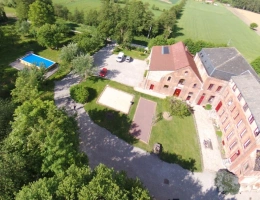
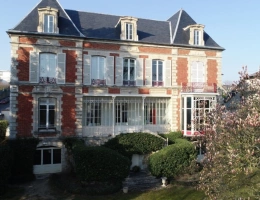
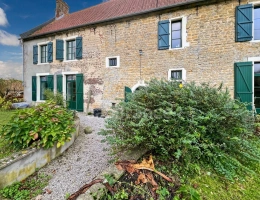
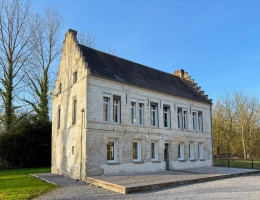
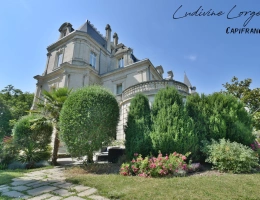
A historic monument for sale in Hauts-de-France turns up among the belfries and townhouses of the Nord's old cloth towns, in the abbeys of the Opal Coast, or in the brick-and-stone chateaux of the Artois and the Somme. Shaped by the textile industry, Flemish trade and two world wars, the region keeps a dense stock of classified or registered heritage despite major twentieth-century rebuilding across many of its towns. Browse the historic monuments for sale listed by the region's private owners, agencies and notaries.
This page details the protected building types found in Hauts-de-France, the areas where they are most numerous, the administrative duties attached to a registered building or a classified one, and the technical checks to run before starting any restoration, from the coast to the Aisne and Somme valleys. To approach the purchase of an old residence as a whole, read our guide to buying prestige property in France.
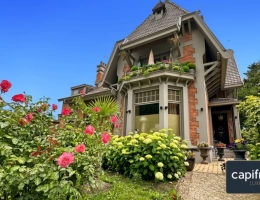
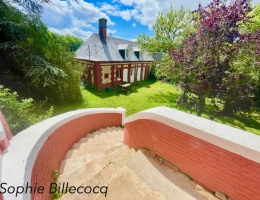
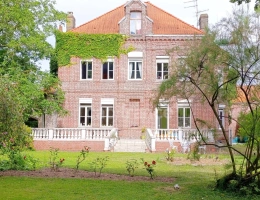
In the Nord and Pas-de-Calais, red Flemish brick and slate or Flemish-tile roofing make up merchants' townhouses, belfries and master's houses in former textile towns. In Picardy, in the Somme, Oise and Aisne, chalk and limestone dominate, with Cistercian abbeys and brick-and-stone chateaux typical of the Louis XIII style, often surrounded by a moat or a formally planted park. Along the Opal Coast, between Boulogne and Calais, a handful of villas and coastal fortifications round out an ensemble shaped by successive wars.
Outbuildings reflect a mixed industrial and agricultural past: a fortified farmyard, a dovecote, a private chapel or an old cider press in the Bray country. These residences to restore often keep vaulted cellars and carved brick fireplaces intact, but need rising damp treated carefully across the ground floor, a frequent issue on the region's heavy clay soils. Restorations favour local brick and traditional lime mortar, the only materials genuinely accepted on a protected building of this kind.
The Nord, around Lille, Douai and Valenciennes, brings together urban townhouses and classified belfries in former cloth towns of real note. Pas-de-Calais, between Arras, Boulogne and the Opal Coast, offers brick chateaux and coastal fortifications of real character. The Somme, around Amiens and the Somme bay, retains abbeys and Picardy residences close to the marshes. Oise, between Beauvais, Compiègne and Senlis, and Aisne, around Laon and Saint-Quentin, round out the picture with forest chateaux and lesser-known rural residences, generally more affordable across the whole area.
The Nord and Pas-de-Calais have several TGV stations, at Lille-Europe, Lille-Flandres, Valenciennes, Arras and Calais-Fréthun; the Somme has the Haute-Picardie TGV station, even though Amiens itself is not directly connected, and Oise and Aisne remain served instead by Intercités or TER links toward Paris and the wider surrounding region. The most sought-after areas border the Lille conurbation and the Opal Coast; the Vermandois, the Santerre and southern Oise offer more secluded monuments, noticeably more affordable for a comparable restoration project of similar scope.
A building can be classified across all of its structures or only registered for certain features: this distinction sets the scope of approval required from the Architecte des Bâtiments de France, and the seller must inform the buyer of the exact status before signing, with the administration also notified once the sale goes through. The historic-monument tax regime allows, under conditions worth checking with a tax professional in advance, part of the restoration costs incurred to be deducted.
Have the porosity of old brickwork checked carefully, since it is prone to rising damp on the clay soils common across the region, along with the condition of the lime mortar joints, the only ones compatible with this older material. In several areas marked by fighting in both world wars, a prior survey for wartime remains may be required before any substantial groundworks are carried out on site. Finally, check the drainage system, which often needs upgrading in the rural hamlets of the Aisne and Oise.
Historic monument listings in Hauts-de-France come from private owners, agencies specialising in heritage property and notaries; filter them by department, building type, outbuildings, grounds size and protection status, and set an e-mail alert to track new listings as soon as they go online. Compare with other regions through prestige property for sale in Hauts-de-France.