TRADUCTION + Technology in viticulture: innovations and land valuation 2025
Updated on June 2, 2026.
How does innovation improve wine quality and vineyard management?
In 2022, French wines generated €17.2 billion in export revenue, according to data from the Federation of French Wine and Spirits Exporters (FEVS). Given that France is the world's second-largest wine producer, the wine-growing sector is following the trend in the emergence and use of new technologies.
Table of contents
Precision technologies, serving the vine, are now essential to viticulture
Drones
Robots
Connected sensors
Geographic Information Systems
The evolution of viticulture through technology and digital tools
Smart winemaking: the alliance of technology and the art of winemaking
Energy and environmental impact
Wine marketing through technology
E-commerce
Blockchain
Social media
Conclusion
Learn more
The technological revolution in the wine-growing sector, particularly precision viticulture, relies on numerous tools such as drones, robots, sensors, data, and geographic information systems (GIS). These innovations provide winegrowers with precise monitoring of their vineyards, enabling the collection of real-time data on the health of the vines, soil conditions, and the environment. This information is then used to adjust farming practices more efficiently.
The use of drones, for example, makes it possible to monitor and avoid risks by quickly and accurately mapping the condition of the vineyard, to detect problem areas such as diseases or pests before they spread, and to assess the growth of the vines.
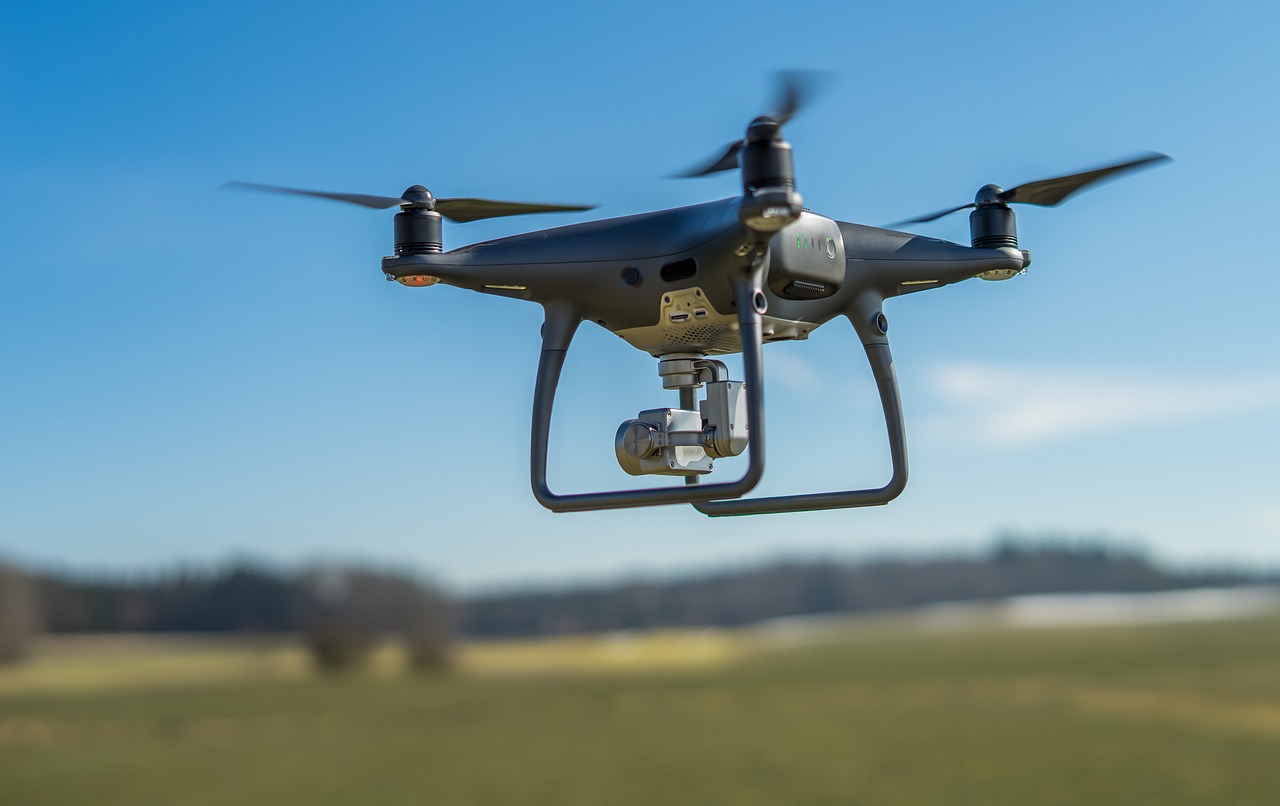
For example, the startup Chouette monitors several hectares of vines using drones and onboard cameras. Indeed, artificial intelligence analyzes the images using an algorithm to assess the health of the vines and offer treatment recommendations.
Specialized robots have been designed to perform specific tasks in vineyards, such as pruning vines, harvesting grapes, and trimming. These androids are built to be precise and efficient, thereby reducing the need for intensive manual labor.
Recently, one machine was a huge success at the agricultural show: the straddle robot. Indeed, it can mechanically weed the rows of vines autonomously thanks to a GPS system. The advantage of this technique is that it offers an eco-friendly alternative to herbicides and allows winegrowers to save precious time by no longer weeding their vines themselves. Moreover, it considerably improves their working conditions compared to the previous method, which required exhausting manual labor.
For example, the Japanese startup Yanmar unveiled its autonomous vineyard robot, the YV01, equipped with a suite of advanced technologies. This spraying project relieves winegrowers of laborious tasks while improving productivity, profitability, and safety. It can easily navigate steep slopes and the narrow lanes of the vineyard, regardless of weather conditions. In addition, it uses cutting-edge spraying technology to ensure precise application of aerosol droplets onto the vines, thereby reducing environmental impact.
Sensors, for their part, are placed in the soil or on the plants to provide essential information such as temperature, humidity, the chemical composition of the soil, climate, wind, and light. This data allows winegrowers to make decisions to improve irrigation, optimize plant protection treatments, and manage their plots more efficiently, all via mobile applications for direct data transmission.
Take, for example, the connected weather station from the company TCSD, called COMSAG MÉTÉO V3. It adapts to all needs and all crops, whether it is to support decision-making, manage irrigation, or even collect and track climate data.
A geographic information system (GIS) is a system that creates, manages, analyzes, and maps all types of data, such as a vineyard plot.
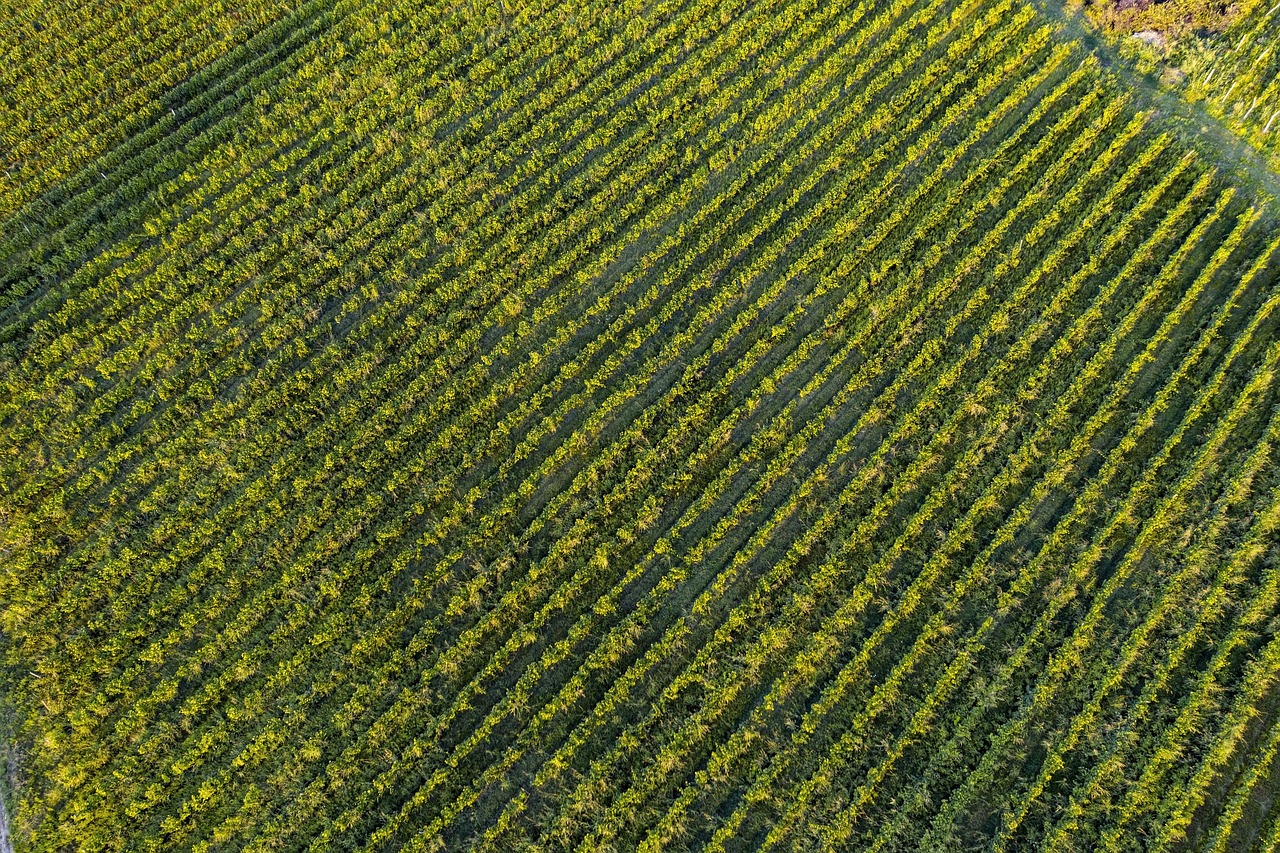
This process links the data to a map, associating location information (where the elements are located) with detailed descriptions. If the sensor maps the vineyard plot and identifies a specific area requiring minor treatment, this will make it easier to detect and intervene precisely in that area, thereby saving costly products.
Viticulture has never stopped evolving over the years, whether in robotics or digital tools, with the aim of:
However, these technologies face a major problem: they are expensive and therefore not accessible to all winegrowers.
Thanks to these advanced technologies, the priority objective is to improve the quality and quantity of harvests, while reducing the consumption of resources such as water, plant protection products, and energy. These major advances have made it possible to considerably limit the use of pesticides and herbicides. This can therefore translate into improved productivity, sustainability, grape quality, and consequently the quality of the wines produced.
Technological investment must be understood within the overall economic context of the estate, particularly that of its land. According to the 2025 DVF data from our observatory of vineyard prices in France, the median price of vines stands at €23,985/ha at the national level, with a range from €9,205/ha in the South-West to €1,000,000/ha in Champagne. An estate whose land is highly valued has all the more reason to invest in precision tools to protect the quality of its plots and justify this valuation over the long term.
For centuries, winemaking has represented a subtle alliance between tradition, expertise, and creativity.
However, in the era of technological advances, a new trend is emerging: smart winemaking. This approach combines winegrowers' traditions with cutting-edge technologies to create exceptional wines while stimulating creativity and quality. It therefore relies on a set of technologies that facilitate and aim to optimize each stage of the wine production process, from pressing the grapes to bottling. Thus, smart winemaking ensures a quality raw material as well as the creation of a range of wines suited to various markets from the very start of the production process.
For example, in some cellars, cellar masters carry out regular monitoring with new technologies such as robots or automated systems. These make it possible to control and precisely select the temperature, fermentation, humidity level, and other essential parameters in real time and remotely. They also allow precise anticipation of the ideal maturation period of a wine, as well as defining the optimal moment for its marketing.
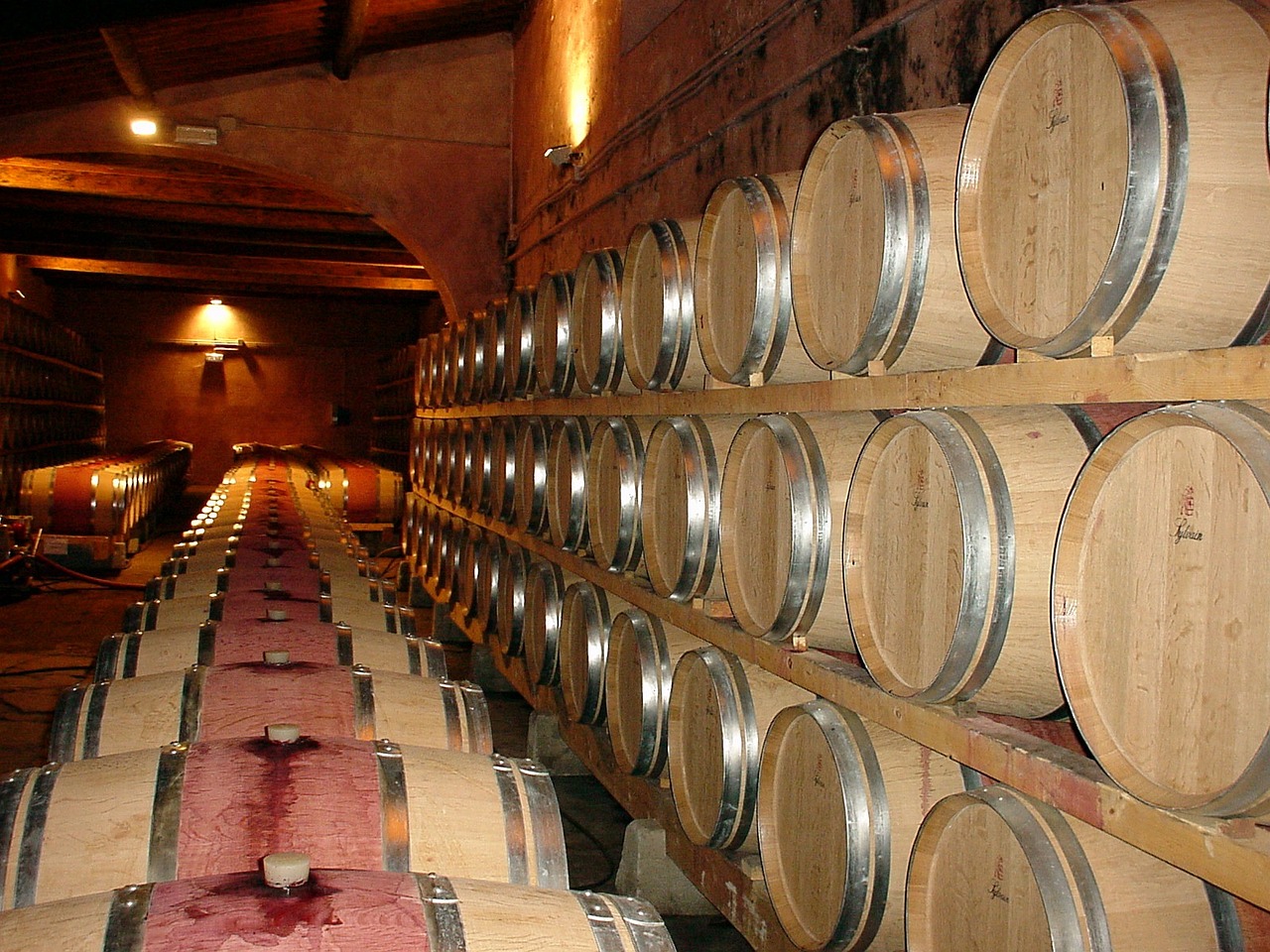
Digital winemaking does not seek to replace the role of winegrowers, but to support them in their pursuit of quality, preservation, and innovation. By combining the traditional know-how of winemaking with technological intelligence, this intermediate approach opens up new opportunities for the wine-growing world.
Recently, artificial intelligence has gone even further. Two Languedoc wine merchants, Aubert & Mathieu, created a wine blend to offer the "The end" cuvée, thanks to suggestions from the conversational interface ChatGPT. An anecdotal move that aimed to create buzz (a successful bet) but which undoubtedly opens up new possibilities.
The many technological advances also promote better energy management and contribute to reducing environmental impact. For example, air conditioning, heating, and lighting systems in cellars and winemaking infrastructure can be monitored and managed in order to reduce their energy consumption. In addition, the integration of renewable energy sources, such as solar panels to power these facilities, may also be a solution to consider.
This is the case, for example, with Fermentation Monitoring Systems (FMS), such as Wine Grid, which considerably reduce the need for excessive sampling waste. Furthermore, there is a multitude of innovative options such as the connected automatic smart bung Onafis-B-Evolution, which acts as a kind of electrocardiogram for wine, enabling remote monitoring, control, and management of aging processes, adapting to various types of containers.
The emergence of new technologies in wine marketing is the result of several factors. Here are some of the innovative technologies and approaches that have been adopted and seen in this field.
This is the set of commercial transactions carried out on the Internet through various digital channels such as computers, smartphones, and tablets.
Online wine sales have grown considerably, offering consumers the possibility of ordering bottles of wine directly from producers or online retailers, thereby allowing them to broaden the geographic reach of their business and their accessibility.
E-commerce considerably simplifies access to rare wines and classified grands crus, whether for professionals or individuals. Indeed, a modern application such as Alfred targets wine lovers by offering a virtual sommelier as well as various features for wine enthusiasts.
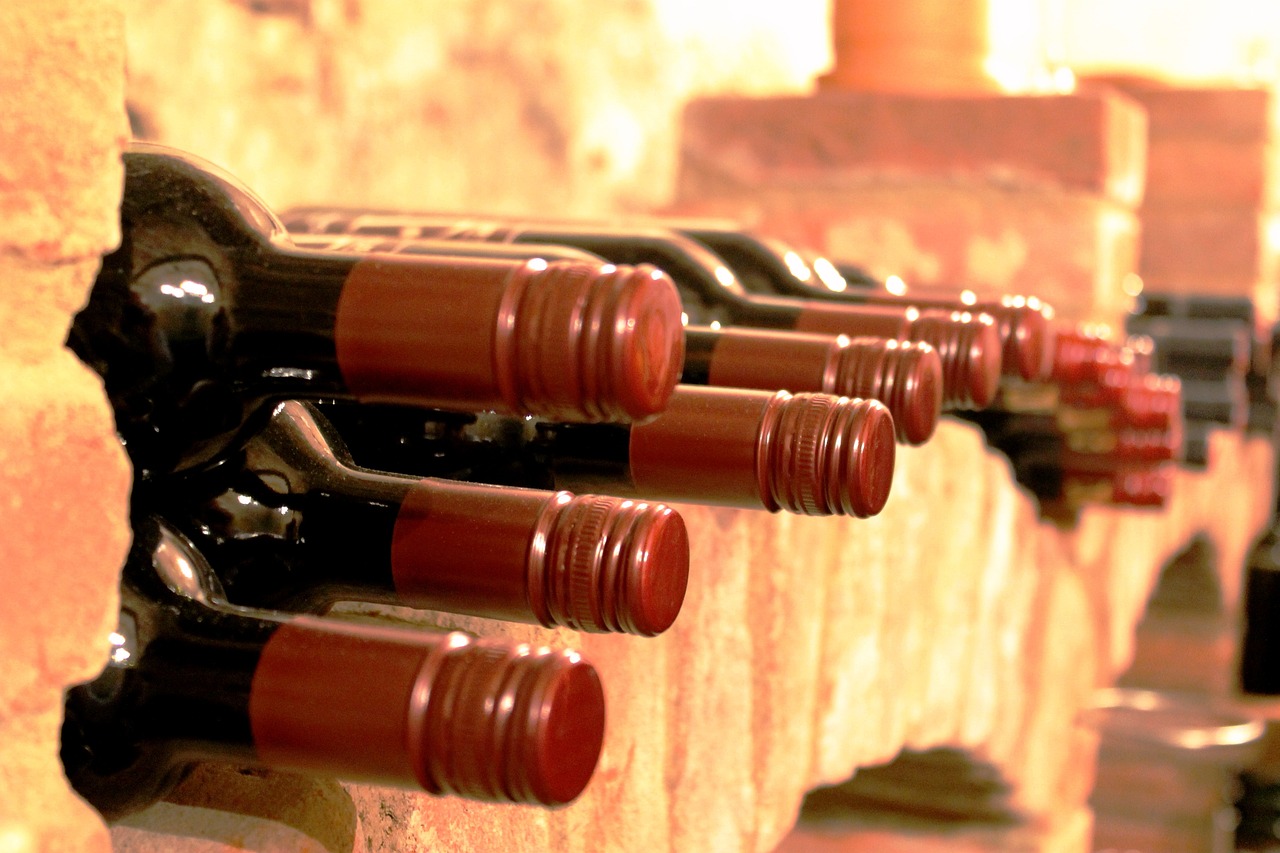
There are also a few initiatives offering direct sales alternatives from distributors. For example, Les Grappes is an online sales site specially designed to connect more than 1,000 winegrowers directly with end customers. This concept reflects the desire to promote and adopt short supply chains and transparency, a trend found throughout the agri-food industry.
Some wine companies use this technology. Indeed, blockchain, also called a chain of blocks, makes it possible to track the supply and distribution chain at the stock level. It also guarantees the quality and authenticity of the bottles purchased, as well as ensuring the traceability and provenance of the wines.
For example, an application such as Winedex.io is a tool that helps combat the counterfeiting of great wines and increase their traceability. Indeed, all the bottles are equipped with an RFID TAG label that guarantees the link between the bottle of wine and the information contained in the blockchain.
Advances in social media, such as Facebook, Instagram, and Twitter, are popular platforms for promoting wine. Producers and wine lovers use these channels through virtual reality to gain visibility, share reviews, experiences, photos, stories, and news about wines, and even interact directly with consumers thanks to online platforms and mobile applications.
But be careful nonetheless to comply with the Evin Law, which restricts advertising for alcohol on social media in France.
Technological advances exert a considerable influence on the wine industry, opening up new prospects for enhancing wine quality and optimizing manufacturing processes.
Whether the goal is to invest or simply to savor an excellent vintage, it remains essential to adapt to the evolution of the wine-growing world and to the advances reshaping it.
Despite this, these technologies remain costly for many winegrowers, but their evolution promises a significant reduction in costs, thereby making these innovations accessible to a greater number of them. Thus, technology has strengthened the wine industry by making it more sustainable, innovative, and accessible.