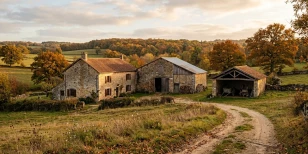
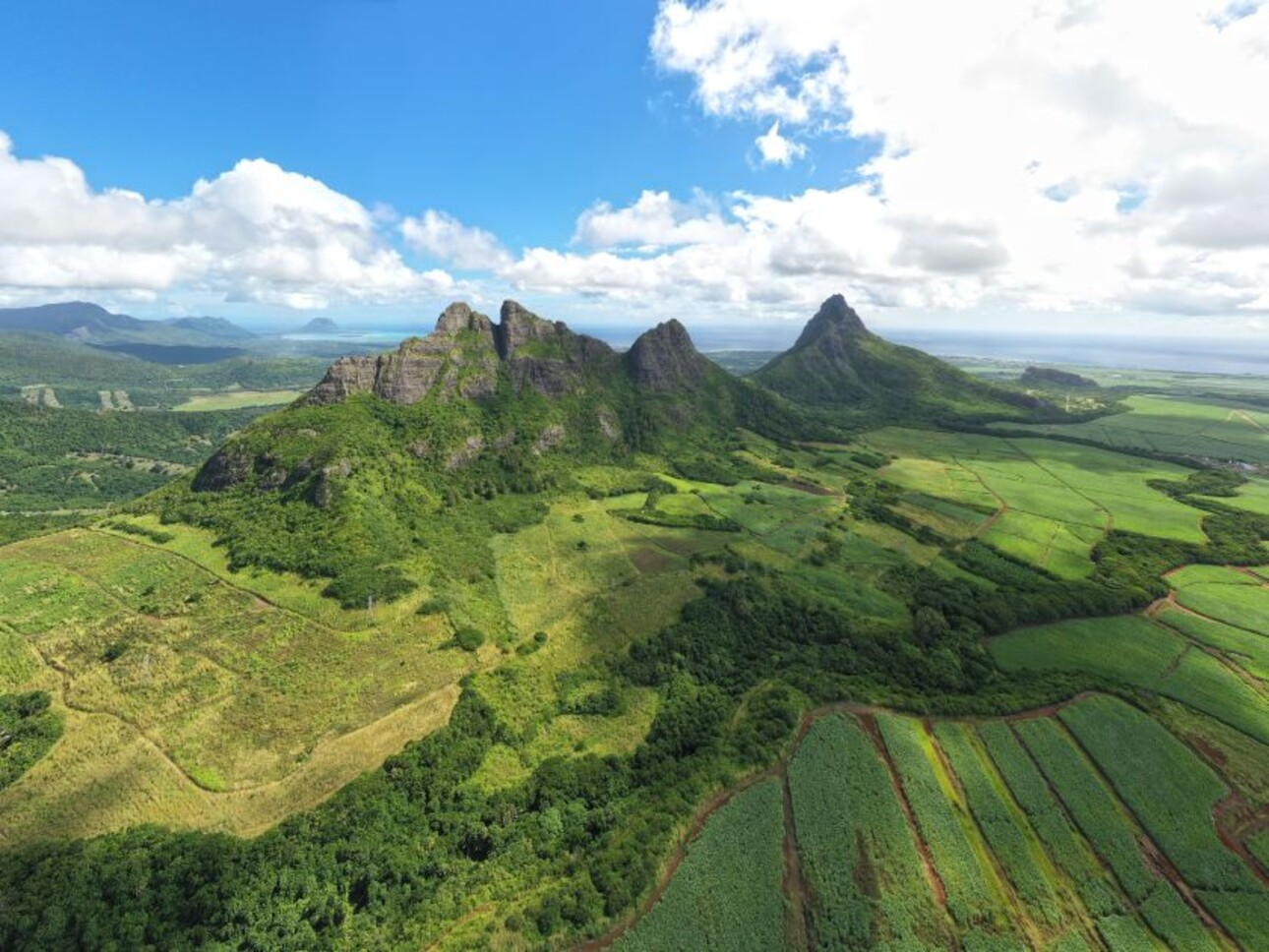
In Mauritius, land is still measured in arpents. This unit, inherited from the French colonial period and abandoned in mainland France since the introduction of the metric system, has remained the standard there for notarial deeds and property listings. One Mauritian arpent is equivalent to roughly 0.42 hectares, or just over 4,200 m². The vocabulary will therefore be familiar to anyone interested in rural property. The rules governing access to land, on the other hand, are far less so: a foreigner cannot freely buy just any property or any plot of land on the island. Here is what you need to know.
A purchase by a foreigner must fall within a framework authorised by the Mauritian government. Several schemes exist side by side:
The USD 375,000 threshold is the key figure to remember. An investment reaching this amount in an IRS, RES, PDS or Smart City development entitles the buyer to a residence permit, valid for as long as the buyer remains the owner of the property. Below this threshold, the RES still allows you to own a property, but without automatic resident status.
Since 2025, an additional route has been available: the purchase of a residence outside any specific scheme, from USD 500,000. It does, however, come with an additional 10% tax and remains subject to approval by the Prime Minister's Office.
Whatever the scheme, the sale is not concluded directly between the seller and the foreign buyer. The typical process is as follows:
The exact conditions vary from one scheme to another. It is therefore wise to check the criteria currently in force with the EDB before making any commitment.
Two recent changes have a direct impact on the total cost of a purchase.
The funding must come from abroad. Since December 2024, 85% of the purchase price must be paid in Mauritian rupees derived from funds transferred from abroad, through a recognised bank. The remaining 15% may be paid in a convertible currency or in local rupees. It is best to plan these transfers ahead with your bank, as meeting the payment schedule depends on them.
Registration duty has doubled. Since 1 July 2026, it has risen from 5% to 10% for non-citizens acquiring a property under the residential schemes. On a USD 375,000 purchase, the difference amounts to nearly USD 19,000 more. This is a cost to budget for from the outset, in the same way as notary and processing fees.
Some schemes also regulate the exit. For a G+2 apartment, for example, the owner must obtain prior authorisation from the EDB and submit the application at least thirty days before the transaction. Resale is also prohibited within six months of the purchase. It is better to be aware of these constraints before signing than to discover them when the time comes to sell your property.
Between choosing the scheme, putting together the EDB application and checking the legal status of the plot, the process calls for a sound knowledge of the local framework. To buy a property in Mauritius under the right conditions, relying on professionals based on the island makes it possible to compare approved developments, secure the administrative formalities and avoid properties whose scheme does not match the intended project.
Buying land in Mauritius therefore remains possible for a foreigner, but within a specific framework. Once clearly identified in advance, it is in no way a deterrent.