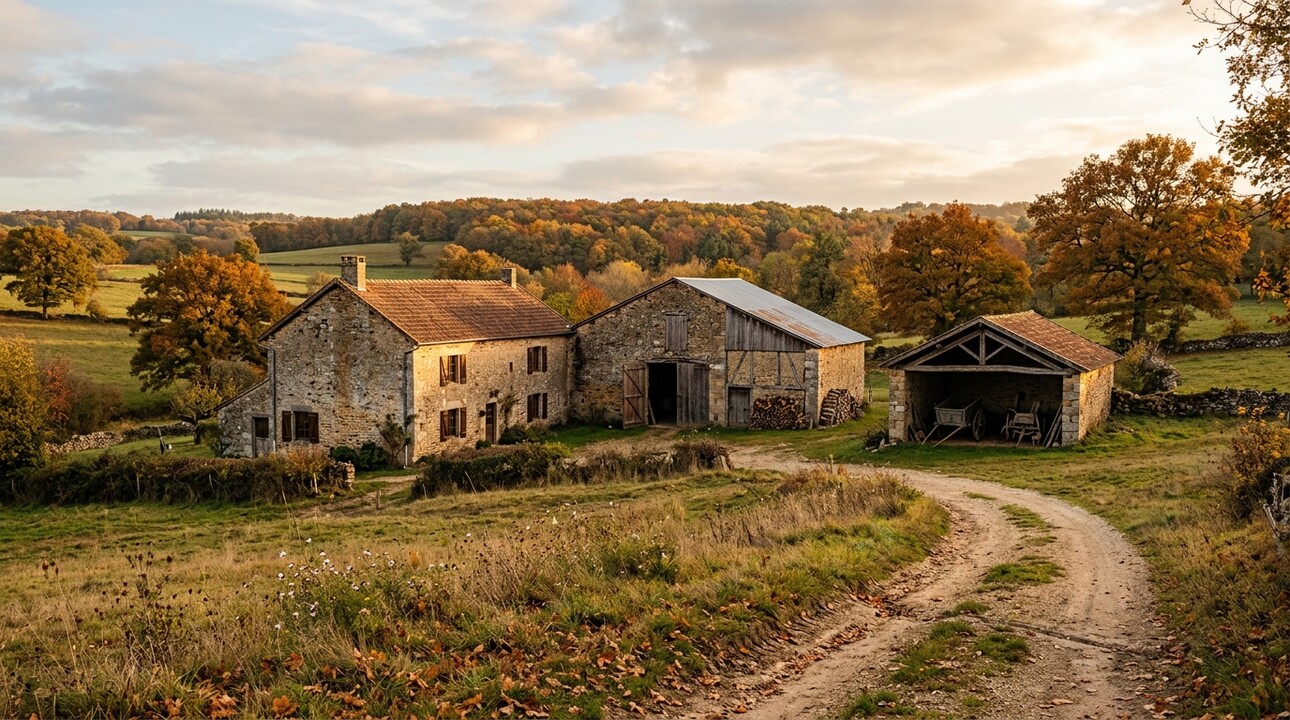
A family home in the Morvan, an inherited former farmhouse in the Dordogne, a few hectares of woodland in the Limousin: many rural properties are sold by owners who live several hundred kilometres away. The sale then depends less on the asking price than on how you respond to buyers, often city dwellers, who call in the evening or at the weekend to find out more before making the journey.
For a flat in town, the listing covers the essentials: floor area, floor level, neighbourhood. For a rural property, every call opens up a list of questions the listing does not settle: access in winter, the type of land, water, drainage, the condition of the outbuildings, the distance to shops and the railway station, whether a farmer works the neighbouring land. A buyer considering a four-hour drive for a viewing wants these answers before setting off.
This is where many sales get bogged down. The owner answers from the office, between two meetings, or calls back three days later. The notaire or the local agent cannot be reached on a Saturday. The buyer, meanwhile, calls the next property on the list, and the property whose questions get answered first is often the one that gets the first viewing.
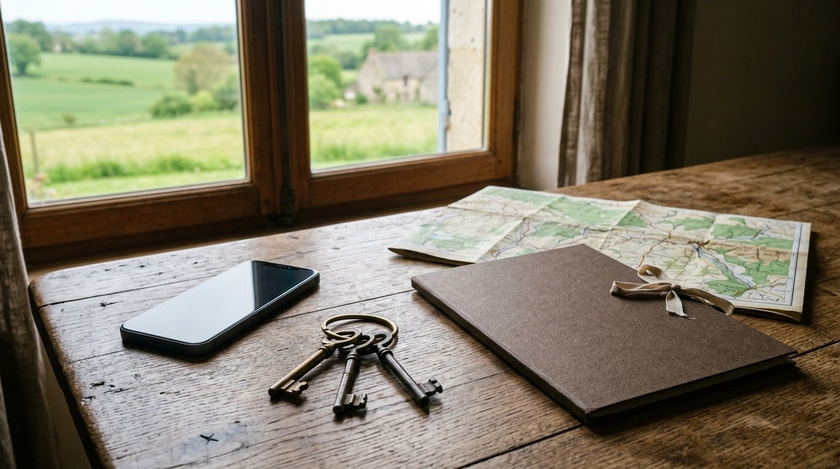
First rule: a single phone number on the listing, and someone to answer it. If you are selling privately, state realistic times to call rather than give a number that rings unanswered. If you are using an agency, ask how it handles calls that come in during viewings and outside office hours: this is as important a selection criterion as its valuation.
Some agencies hand this first point of contact to a phone assistant. An AI voice agent for real estate such as Tala picks up when the team is out on viewings, asks the buyer the initial questions (plans, budget, timeframe, intended use of the property) and sends a summary to the negotiator. This type of tool does not make the sale: it simply ensures that buyers get an answer while they are still interested, and that the negotiator knows whom to call back first.
Whatever the set-up, prepare an answer sheet that everyone who picks up the phone will have in front of them. It avoids approximations and contradictory versions from one call to the next.
The best way to cut down on pointless calls is to publish the information that every serious buyer will eventually ask for.
Detailed areas: living space, outbuildings, land, with the breakdown between meadows, woodland and arable land.
Water and drainage: mains connection, spring or well, septic tank or micro treatment plant.
Access: private track or municipal road, condition in winter, rights of way.
Mandatory surveys. When a property with buildings is sold, the seller provides a technical survey file (dossier de diagnostic technique) appended to the preliminary sale agreement (promesse de vente). Depending on the property, it includes the DPE (energy performance certificate), the risk report (état des risques), asbestos, lead or termite reports and, for a house not connected to mains sewerage, the inspection of the private drainage system (assainissement non collectif). The French National Consumer Institute (INC) sets out the list of mandatory surveys by type of property. Having them carried out before putting the property on the market means you can answer the phone with documents rather than guesswork.
Add photos of the outbuildings, the access and the boundaries of the land, not just the front of the house. A buyer who has seen the condition of the barn before coming will not make the trip for nothing.
Showing an isolated property often takes a whole day, for you or for the agent. It is better to know beforehand who you will be receiving. A few questions are enough, asked without being pushy: the project (main residence, second home, farming or equestrian activity), the financing (a sale under way, a mortgage agreement in principle), the intended timeframe. A buyer who has already viewed other properties in the area and knows their budget deserves to be seen quickly; a casual browser with no set timeline can wait for a group viewing day.
Rather than making one round trip after another, set aside one or two viewing days a month and group the appointments together. Let buyers know in advance, and send them directions and the practical points to bear in mind (access track, keys to the outbuildings). Use each viewing to note recurring objections: if three visitors ask the same question about the roof or the heating, the answer belongs in the listing.
A rural property is rarely sold on love at first sight from a distance. It sells to the buyer who got clear answers at the right time, followed by a well-prepared viewing. Take care over the file, make sure someone answers the phone, and save your journeys for buyers whose plans hold up.