The Loire Valley is home to some of the most renowned vineyards in France. From Sancerre to Saumur, by way of Vouvray and Chinon, each appellation has an identity shaped by its terroir, its grape varieties and its winegrowing traditions. But beyond their geographical location, the most prestigious estates stand out for their mastery of winemaking techniques.
The Loire Valley appeals to investors through the diversity of its appellations and the richness of its winegrowing heritage. The region has vineyards renowned for their white, red, rosé and sparkling wines, offering a range of options for commercial positioning.
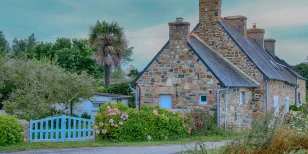
Acquiring a wine estate in this region also makes it possible to combine a business activity with character property. Some properties include châteaux, historic residences or working buildings of architectural interest.
For buyers seeking a heritage investment, the wine estates offered for sale in the Loire Valley by Wine Objectives provide a way to explore the opportunities available in this area.
The prestige of a property does not rest solely on its location or its architecture. The quality of the wines produced, the reputation of its cuvées and the mastery of winemaking methods are essential factors in assessing its value.
Winemaking turns grapes into wine through a sequence of technical operations. The winegrower's choices influence the aromas, texture and ageing capacity of the cuvées. In the Loire Valley, these practices vary according to the grape varieties, the appellations and the style sought.
The great Loire estates often seek to preserve the natural characteristics of their grapes.
Chenin Blanc, grown notably in Vouvray and Savennières, can be used to produce dry, sweet or sparkling wines. The choice of harvest date, the management of fermentation and temperature control all help to define their aromatic balance.
For the red wines of Chinon or Saumur-Champigny, made mainly from Cabernet Franc, the length of maceration influences the extraction of tannins, colour and aromatic compounds.
Mastering these parameters allows the estate to develop a recognisable style while respecting the particular features of each vintage.
After fermentation, ageing plays an important role in building the wine.
Stainless steel tanks in particular help to preserve freshness and fruity aromas. Ageing in oak barrels can bring greater complexity and alter the structure of the wine, depending on the age of the wood and the length of maturation.
Ageing on fine lees, practised in particular for certain white wines, encourages exchanges with the compounds released by the yeasts and can enrich the texture on the palate.
The choice of these techniques depends on the profile sought. A recognised estate knows how to adapt its methods to the quality of the harvest rather than systematically applying the same process.
Organic viticulture and biodynamics hold a notable place in several Loire vineyards.
These approaches mainly concern vineyard management, but they can also go hand in hand with specific choices in the cellar, such as limiting certain inputs or relying on spontaneous fermentations.
For some wine lovers and collectors, these practices form part of a property's identity. They can also strengthen its positioning with a clientele attentive to environmental commitments.
They are not, however, a guarantee of quality in themselves: the precision of the vineyard work and the mastery of winemaking remain decisive.
An estate's reputation rests largely on its ability to produce wines of consistent quality, despite climatic variations from one vintage to the next.
|
Value drivers |
Influence on the reputation and value of the estate |
|
Mastery of winemaking |
Makes it possible to develop a recognisable signature and cuvées valued for their balance, complexity and ageing potential. |
|
High-end distribution |
Supports the presence of the wines in fine-dining restaurants, at specialist wine merchants and on international markets. |
|
Professional recognition |
Awards, tasters' assessments and buyer loyalty strengthen the estate's standing. |
|
Commercial positioning |
A solid reputation can support the selling prices of the wines and make them easier to market. |
For an investor, this recognition is a significant intangible asset that contributes to the appeal of a wine property. It can represent a competitive advantage and support its potential for long-term appreciation.
Reputation alone is not enough to determine the value of an estate. That value must also be assessed in the light of its economic performance, its production costs and its development prospects.
Acquiring a prestigious vineyard calls for an analysis that goes beyond the charm of the buildings or the renown of the appellation.
Several aspects deserve particular attention:
The reputation of the wines: study the cuvées, their quality track record, their price positioning and their recognition among professionals.
The technical facilities: examine the condition of the winery buildings, the tanks, the pressing equipment and the storage areas.
The expertise of the team: assess the skills of the production manager, the cellar master and the staff who ensure the continuity of the business.
Commercial performance: analyse the distribution channels, available stocks, profitability and customer loyalty.
The built heritage: assess the condition of the buildings, their operating potential and any scope for wine tourism development.
The quality of the vineyard itself also warrants an in-depth appraisal: health of the plots, age of the vines, planting rights and constraints linked to the appellations.
For an acquisition of this scale, a technical, legal and financial valuation makes it possible to distinguish the apparent prestige of a property from its real economic value.
In the Loire Valley, winemaking methods help to shape the identity and reputation of wine properties. Mastery of fermentation, ageing and the quality of the cuvées represents valuable expertise, sometimes handed down over several generations.
For an investor, the challenge lies in identifying estates whose oenological excellence is matched by a sound business and quality property. This combination is an essential foundation for considering a lasting acquisition in one of France's great winegrowing regions.