Are you thinking of keeping a horse on your property? Before you start looking for your future companion, make sure your land meets its needs. You will also need suitable shelter, secure fencing and a sufficient budget for its upkeep. Find out more below.
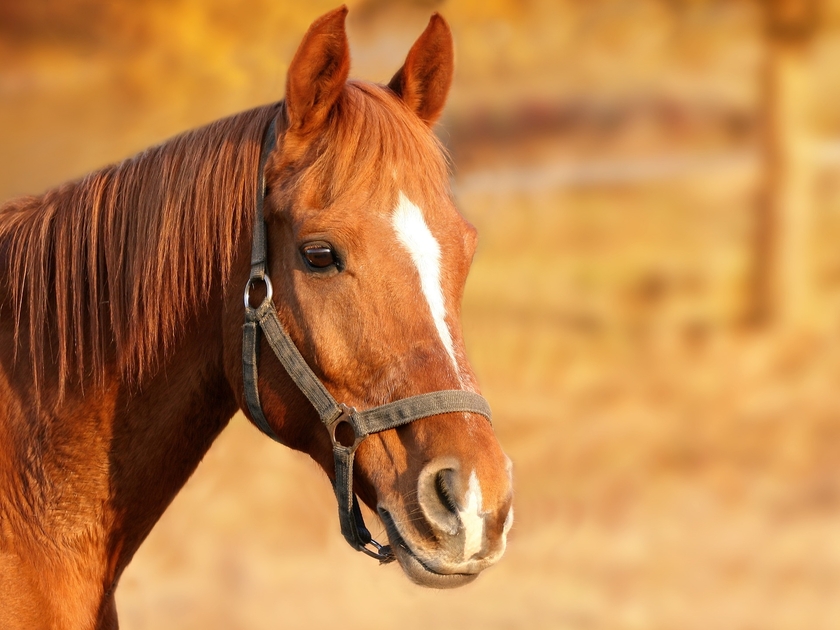
Your land must allow the horse to move around, rest and access suitable food. Its size alone is not enough to determine whether it is suitable. The quality of the grass, the type of soil and the climate also affect the animal's needs.
There is no single area that suits every horse. Needs vary depending on the quality of the pasture, the climate, the season and the way the horse is kept. A plot rich in grass does not offer the same possibilities as poor or frequently muddy land. Provide a space large enough to encourage movement. If your land allows, separate grazing areas from resting areas. This layout also makes grass management easier and limits trampling on certain plots.
Once your facilities and budget are in place, look for your future companion by consulting reliable websites for buying a horse. Take the time to compare listings and check that the animal's profile matches your level of experience.
Fencing must prevent escapes and limit the risk of injury. Choose a system designed for horses and check its condition regularly. Remove any protruding or damaged parts that could injure the animal.
Also inspect the land after heavy rain. Very muddy areas become difficult to use and can make it harder for the horse to move around. Finally, ensure permanent access to clean water. This is essential whatever the season.
A horse must be able to shelter from the sun, wind, rain and insects. A well-designed shelter gives it a resting space suited to the weather conditions. Its location and size should match the number of horses kept.
Provide a stable, well-ventilated and sufficiently spacious shelter. The horse must be able to enter, leave and lie down easily. The ground should remain usable, even in wet weather. Also keep an eye on water drainage to prevent mud from forming.
Then organise the different areas in a practical way. Install an accessible water point and set aside an area for distributing hay. A lockable storage space keeps grooming equipment and care products in good condition. If you plan to build a shelter, check with your local town hall (mairie). Depending on the project and local planning rules, a prior declaration (déclaration préalable) or planning permission may be required. Check these obligations before starting any work.
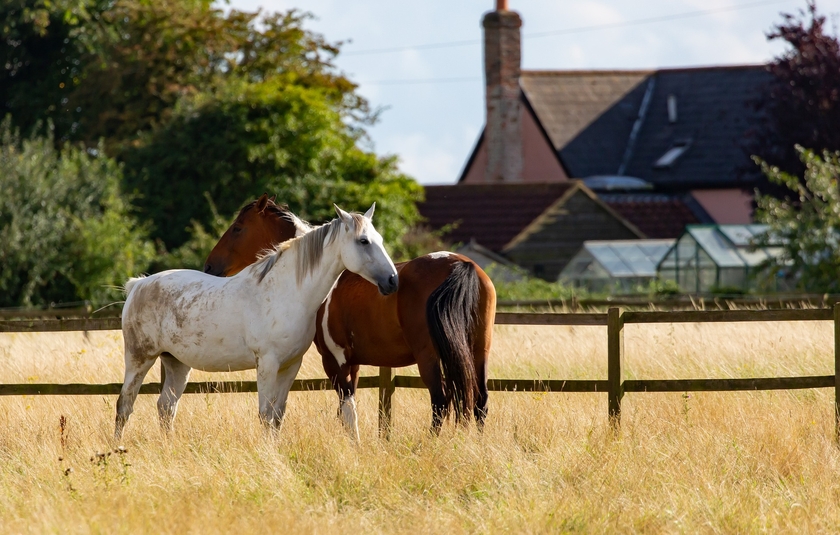
Owning land does not eliminate the costs of looking after a horse. You need to budget for regular expenses as well as unexpected ones. Forage is a major cost, especially when grass is scarce. Depending on the animal's needs, you may have to buy hay all year round. Some horses also need supplementary feed.
Add veterinary care, vaccinations and worming treatments prescribed according to the situation. Farrier costs must also be included in your calculations. A horse that is not shod still needs regular hoof care. Also factor in the maintenance of fencing, the shelter and water points. A single repair can quickly increase your costs. Keep a financial reserve to cope with a health problem or urgent work.
Do not choose your horse based solely on its appearance or price. Also take into account:
A calm, experienced horse may suit a beginner rider better than a young animal that requires extensive training. Visit the place where the horse lives and observe its behaviour. Ask questions about its habits, diet and medical history. If you lack experience, have a professional or an experienced rider accompany you. An outside opinion will help you identify the points to check before buying.
In France, the keeper must declare the place where equines are kept to the French Horse and Riding Institute (IFCE). This obligation also applies to private individuals keeping a horse at home. The keeper must also comply with the animal identification rules and keep a livestock register.
From three equines upwards, appointing an official health veterinarian (vétérinaire sanitaire) is mandatory. Contact the IFCE to find out which procedures apply to your situation. This way, you can prepare for your horse's arrival in the best possible conditions.