

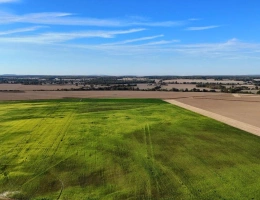
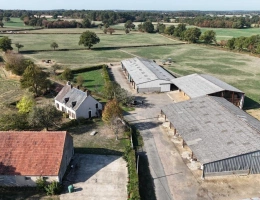
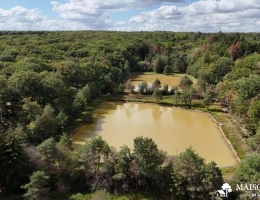
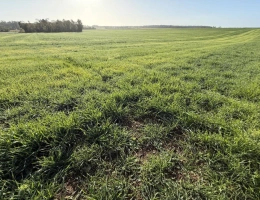
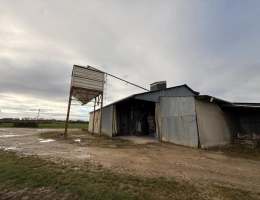
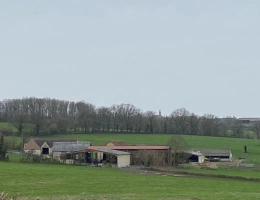
A goat farm for sale in Cher belongs to one of the cradles of French goat cheese: the department brings together a recognised designation around Chavignol, an organised milk collection network and a tradition of farmhouse cheesemaking handed down through generations. The properties shown are entrusted to us by keepers preparing to step back, by agencies that specialise in farming estates and by notaries across the Berry. They set out the milking herd, the breeds kept, how the building is configured, the milking equipment, whether a processing unit is attached and what the forage area consists of. They join our national picture of goat farms for sale.
Beyond the files online, this page gives you ground-level markers: local land values district by district, the areas where goat farms change hands, what to inspect in a building and a parlour, and the steps tied to the designation and to processing. To shape a purchase, our white paper « Créer une exploitation agricole » (in French) sets out how grants are accessed and how forecasts are built.
Land weighs heavily on the budget for a goat farm. Transfers published by the French tax authorities (DVF, excluding vineyards) put the median for farmland in Cher (18) at €4,750/ha in 2025, with an average of €5,310/ha over 199 sales. Eight transactions in ten settle between €2,993 and €8,952/ha, where the national median is €5,307/ha.
A second reference, the SAFER land value benchmark, sets vacant land and pasture at €5,770/ha for 2025, +1.1% in a year and +7.6% over a decade; the French average is €6,460/ha, and a sitting tenant costs a plot roughly 17% of its value.
Area alone never explains a sale price. Into it go the goat house and its internal fittings, the parlour, the milk room and the tank, the make room, the drying room and the cellar where the farm ripens its own cheese, then the genetics of the herd and how steadily it milks. Last come the route to market and how solid it is: a collection contract, membership of a designation, a clientele of markets or cheesemongers. Place these within the local market using our land price observatory and test your plan with our financial calculators.
Local building stock runs from the long shed on bedded areas, sized for milk sold to a creamery, to the small unit combining goat house, cheese room and shop. Inspection covers the roof structure and covering, the air volume and ventilation, so often behind the respiratory condition of the herd, the floors, the way groups are organised and where young stock is reared, then covered storage for hay and straw. The milking side should be checked with a technician: number of units, washing, the state of the tank and the electrical supply, frequently undersized in older buildings.
Where the farm makes cheese, the make room weighs heavily in the price: moulding room, drying room, ripening cellar, cold store, wash-up area and sales point are valued according to the health approval or exemption held, the volumes handled and the customers won. Berry farmsteads are often sold with a house, barns and parcels: ask for the price to be split in writing, because the residential value of a restored longhouse follows a different logic from that of a working asset and is not financed the same way.
The north-east of the department is the heart of production: the Sancerrois, around Sancerre and the hamlet of Chavignol, and the Pays-Fort, from Vailly-sur-Sauldre to Aubigny-sur-Nère, bring together herds supplying creameries and farms that ripen on site, within the Crottin de Chavignol designation area. The Sologne du Cher, further north, adds wooded grazing and light soils. To the south, the Boischaut, from Lignières to Châteaumeillant and Saint-Amand-Montrond, offers hedged permanent pasture where land stays noticeably more affordable and where several newcomers have settled in recent seasons.
The Champagne berrichonne, around Bourges, Dun-sur-Auron and Levet, is arable country: land is expensive and goat enterprises remain a sideline. The vineyard slopes of the Sancerrois are equally out of reach for a livestock project. For a holding with a coherent forage base, the choice therefore usually lies between the Pays-Fort, the Sologne edge and the hedged south.
If the holding falls under a cheese designation, taking it over means taking on its commitments: the Crottin de Chavignol specification governs the collection area, the Alpine breed, how the herd is fed and how the cheese is made, and certification is reissued by the inspection body in the new operator's name. Part of the south of the department also touches the Selles-sur-Cher and Valençay areas, so have it confirmed parish by parish what the farmstead genuinely qualifies for. On classification, the unit answers either to the departmental health regulation or to the classified installations regime according to numbers kept.
Ask for the herd register, the caprine arthritis-encephalitis screening and the paratuberculosis record: a clean herd is worth far more than one of equal size with an uncertain status. Where milk goes to a creamery, get written confirmation that the contract and its volume pass to you. Check as well the water resource, effluent storage capacity and the spreading plan. Finally, since much of the land is rented, the continuation of leases, the structures control, the French authorisation regime for taking over farmland, and SAFER's opinion all decide whether the sale completes.
Keepers closing a career, rural property firms and notarial offices in Bourges, Sancerre or Saint-Amand-Montrond place their files here as businesses change hands. Filter by herd size, by area or by budget, then switch on an alert so you hear as soon as a dairy goat holding appears. Arranging your own handover? Post the listing. Continue through goat farms for sale in Centre-Val de Loire.