
A few years ago, the pandemic and the appeal of fresh air prompted many households, particularly families and young professionals, to move away from the hustle and bustle of city life. There was talk of an urban exodus, a mass migration to the countryside or medium-sized towns. Working remotely in the heart of nature, giving children a garden to play in, and rediscovering a slower pace of life seemed to be the ideal response to the pressures of modern life. However, as the months went by, a more discreet but equally significant reverse phenomenon began to emerge. This was a return to urban living, and more specifically, to premium urban environments. For many, the dream has collided with an unexpected logistical and social reality. The case of the inner suburbs of Paris, and more specifically Neuilly-sur-Seine, perfectly illustrates the desire to regain a lost balance. The motivations behind this re-migration are complex and reveal a new definition of quality of life, where proximity to services, excellent schools, etc. are key factors. Find out more below.
The initial attraction to rural life was often based on simple criteria: more space for the same budget, a quieter environment, access to nature. However, the reality of daily life in rural or peri-urban areas has often disappointed newcomers.
Although teleworking reduces commuting, it does not completely eliminate the need to go to the office from time to time or attend regular business meetings. Long, complicated journeys, even if infrequent, can quickly take their toll on mental health.
Even more challenging for families is the issue of schooling and extracurricular activities. The promise of an idyllic village school sometimes translates into a lack of specialised infrastructure or a less rich educational offering than desired. The hours spent on the road taking children to sports or music lessons add up, negating the benefits of the time one hoped to gain by moving away from the city. Specialised health services and local shops are generally lacking, forcing regular trips into town.
Finally, social isolation becomes a determining factor, especially when professional and social networks remain rooted in the city. The need for a more connected life, both socially and practically, leads many to seriously consider returning.
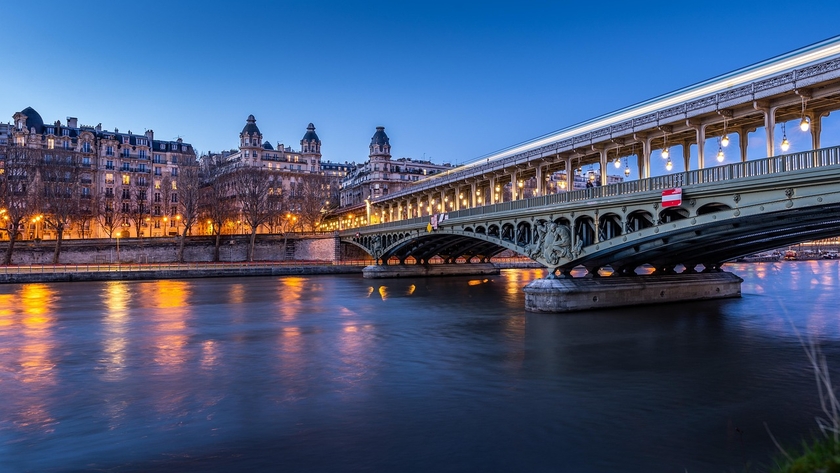
The choice to return to the city does not apply to just any neighbourhood. It involves selective re-urbanisation towards so-called premium areas. Neuilly-sur-Seine is the perfect example. The town enjoys an exceptional location, on the outskirts of Paris (La Défense, the Arc de Triomphe), while retaining its identity as a residential and green community.
The spacious Haussmann-style flats and the general standard of the property meet the expectations of a clientele who have opted for comfort and elegance after a disappointing spell in the countryside. Security is a major selling point. The feeling of tranquillity and the quality of the public spaces give Neuilly a particularly reassuring atmosphere for families.
The presence of top-level educational establishments, both public and private, is a major attraction that solves the main problem encountered in the provinces. Children enjoy easy access to all their activities, while parents find a range of luxury services and shops close at hand.
By moving here, you are buying time above all else:
The capital's wealth of cultural, gastronomic and professional opportunities is just a few minutes away. Ultimately, true quality of life is not about having a large plot of land, but about a smooth daily routine and having all the essentials close at hand.
However, knowing where to settle in Neuilly-sur-Seine, a town that offers prestige and convenience, requires local expertise. The Sadone agency, which has a perfect understanding of this specific market, can help families identify the property that will meet these new requirements for comfort and accessibility. Time is too precious a resource to be sacrificed to the demands of rural logistics.
In short, the experience of living in the countryside will at least have had the merit of clarifying what is truly essential: not just space, but the ease and richness of interactions. The return is a reaffirmation: high urbanity, when chosen with care, offers the most accomplished form of modern serenity.