

Selling a property is not something to be improvised. Before putting it on the market, it is essential to understand how to maximize its value in order to attract buyers and obtain the best possible price. Property valuation is based on a combination of objective factors, such as location and the condition of the home, but also on more subjective elements related to visitors’ perceptions. Careful preparation not only increases the property’s appeal but also speeds up the sales process and limits negotiations.
Valuation begins with an accurate price estimate. This step is based on an analysis of the local real estate market, recent transactions, and current demand. A property may seem attractive to its owner, but the market sets clear rules. The price depends on:
The economic context also influences buyers’ purchasing power.
A realistic estimate avoids setting an asking price that is too high, which can block viewings and damage the property’s image. It also prevents undervaluation, which leads to financial loss. Online tools provide an initial idea, but support from a real estate agency offers a more detailed and strategic analysis. This external perspective remains essential to position the property in a competitive way.
Some renovations add real value. Others do not generate a financial return. The choice must therefore remain strategic. A bathroom renovation, bringing electrical systems up to standard, or a fresh coat of paint often increase attractiveness. Buyers are looking for a move-in-ready property, without major constraints.
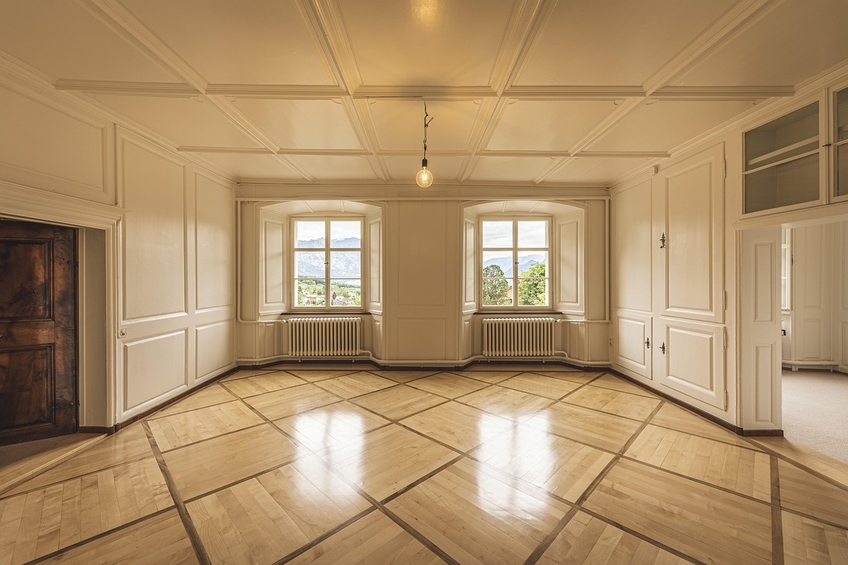
Overly personalized or overly expensive work does not necessarily increase the sale price. A high-end kitchen or very bold decor can even limit interest. The priority remains neutrality and functionality. The owner should aim for a visible and reassuring improvement, without turning the property into a costly architectural project.
Presentation strongly influences how a property is perceived. Natural light should be highlighted. Spaces should feel fluid and open. A tidy, uncluttered interior reinforces the impression of space. Buyers can more easily envision their own layout in a neutral, bright environment.
Subtle home staging plays an important role. It involves depersonalizing, harmonizing colors, and optimizing circulation. A clean, well-organized interior inspires confidence. It also reduces objections during viewings. Staging remains a powerful lever to speed up the sale and support the asking price.
Financial value is based on objective criteria such as surface area, location, and features. Emotional value is based on visitors’ feelings. These two dimensions work together. A property may have high technical value but lack appeal. Conversely, a simple but warm home can generate strong interest.
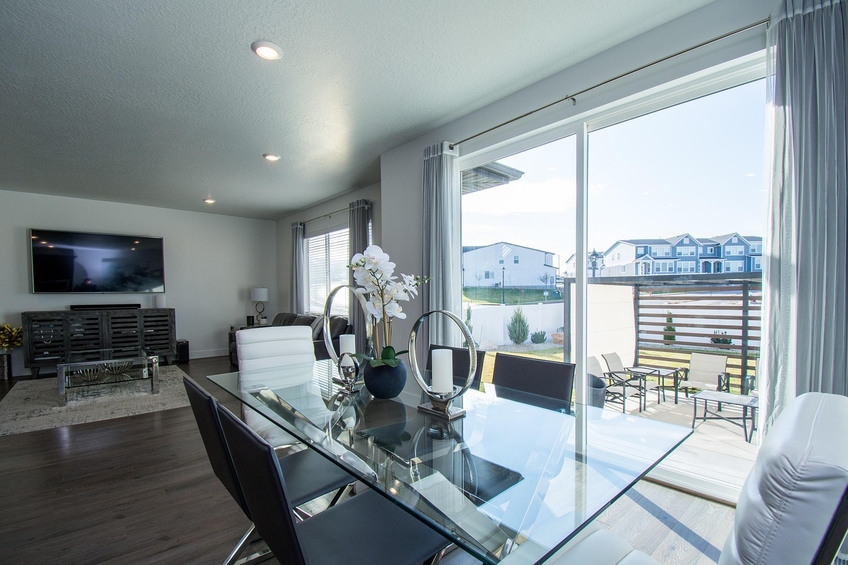
Emotion influences the purchase decision. It is based on atmosphere, brightness, perceived comfort, and the quality of spaces. Careful presentation creates immediate attachment. This perception can justify a higher price and reduce negotiation.
High-end properties meet specific expectations. Buyers are looking for premium features, refined architecture, and a premium environment. The presentation must reflect this positioning. Materials, decor, and staging must match the image of the targeted market segment.
Staging must be more sophisticated. Professional photography and private viewings enhance the perception of quality. Details matter, such as the quality of finishes and aesthetic consistency. This type of property requires a more elaborate marketing strategy and targeted communication.
A real estate agent or valuation expert provides an objective perspective. They identify concrete levers and useful investments. They also help set a price that is consistent with demand. This expertise reduces mistakes and optimizes return on investment.

Professionals sometimes offer home staging, real estate photography, and targeted distribution services. Their support improves the property’s visibility and the quality of viewings. Their role remains central in structuring a high-performing and credible sales strategy.