The decision to leave mainland France to settle in the overseas territories of the French Republic constitutes a true life project. This choice, marked by the history of the French colonial Empire and the diversity of local government statuses, offers a unique living environment while presenting specific challenges for each territory.
French overseas territories originate from the former French colonial Empire, which developed from the 17th to the 19th century and was later reorganized after World War II within the framework of the French Union. Today, these territories benefit from different statuses: some are French departments (Guadeloupe, French Guiana, Martinique, Reunion, Mayotte), while others are overseas collectivities with specific statuses, such as French Polynesia, New Caledonia, or Wallis and Futuna.
Each territory has a legal regime adapted to its specificities, often defined by an organic law or a particular status. For example, French Polynesia benefits from broad autonomy and reinforced normative power. Similarly, New Caledonia, which has experienced major historical events since the visit of General de Gaulle, enjoys a unique status within the French Republic, with high autonomy and specific agreements.
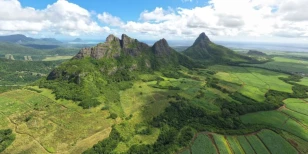
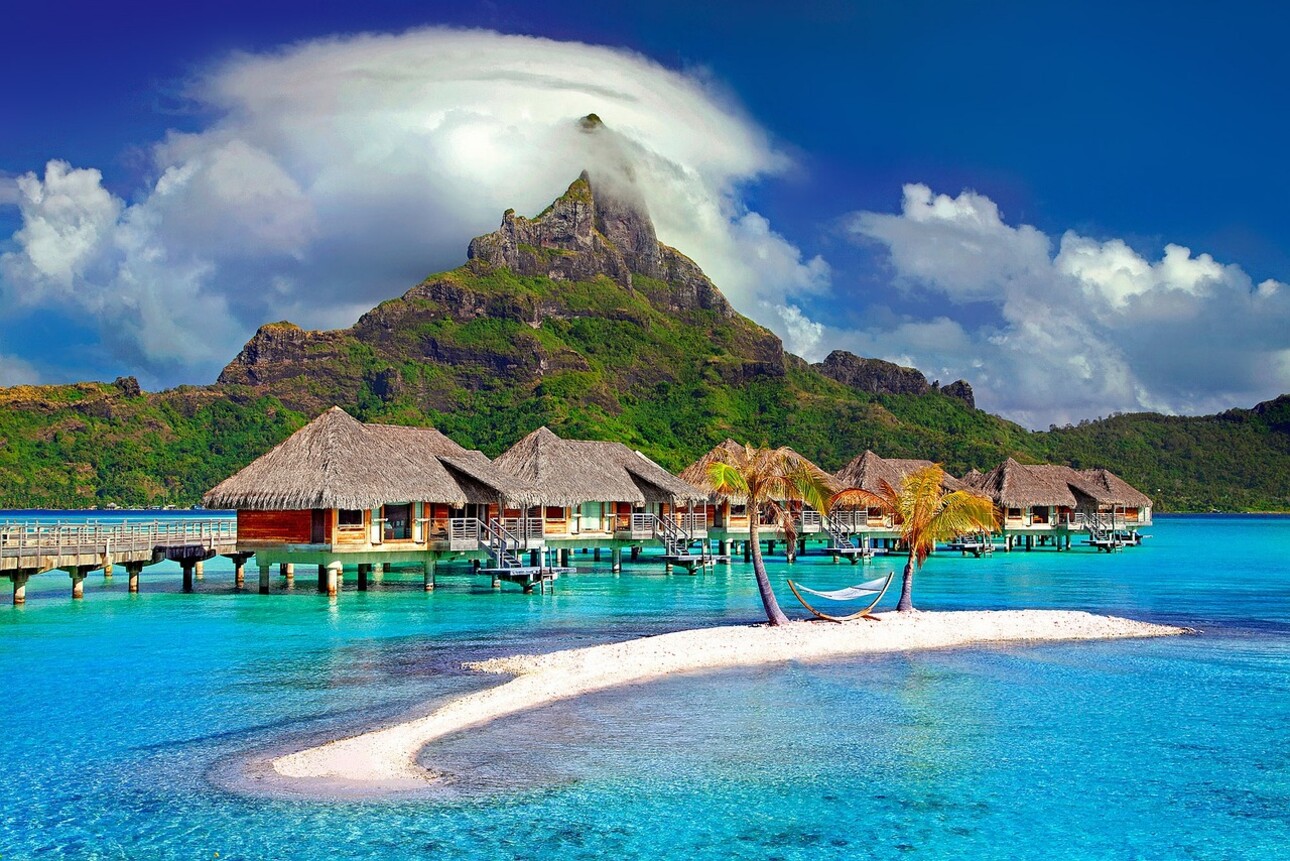
Settling in overseas territories means choosing a living environment marked by proximity to the sea, rich ecosystems, and cultural diversity. French Polynesia, Guadeloupe, Martinique, Reunion, and Mayotte offer unique landscapes, tropical or equatorial climates, and exceptional biodiversity. These tourist destinations are also places where the quality of life increasingly attracts mainlanders—both young professionals and retirees—seeking a preserved environment.
Public life there is animated by a strong local identity, living traditions, and a successful integration of different social origins. Local communities, stemming from colonial history and migrations, constitute a mixed population proud of its heritage and French citizenship.
French overseas territories are a strategic asset for France. Thanks to them, the French Republic possesses the second-largest Exclusive Economic Zone (EEZ) in the world after the United States, with nearly 11 million km², particularly in the South Pacific and the Indian Ocean. This EEZ offers privileged access to marine resources, the continental shelf, and maritime spaces essential for research, energy, and fishing.
The economic development of these territories rests on several pillars: tourism, ecotourism, agriculture, research, and innovation. The presence of military bases, such as the Kourou space base in French Guiana, testifies to the strategic importance of these territories for national defense and regional cooperation. The French State, through the Ministry of Overseas France, takes action to improve access to public services, reduce inequalities, and support the local job market.
Despite these assets, overseas territories face many challenges. Geographical distance from the mainland, transport difficulties, and insularity complicate access to goods and services. The standard of living is often lower than in mainland France, with high unemployment rates and marked social inequalities, particularly in Mayotte or French Guiana.
The local economy depends heavily on imports, which impacts the cost of living and the availability of certain products. Infrastructure, though improving, sometimes remains insufficient, especially in isolated areas. Natural risks (cyclones, earthquakes, volcanic eruptions) are also a recurring issue.
Here are some of the main destinations for a relocation project to overseas territories:
| Destination | Status | Main Assets | Main Challenges |
|---|---|---|---|
| French Polynesia | Overseas collectivity | Landscapes, biodiversity, autonomy | Remoteness, cost of living |
| Guadeloupe | French department | Beaches, Creole culture, tourism | Cyclones, unemployment |
| Martinique | French department | Heritage, nature, tourism | Cyclones, real estate prices |
| Reunion | French department | Volcano, biodiversity, ecotourism | Terrain, unemployment |
| New Caledonia | Special status | Autonomy, nickel, landscapes | Inequalities, tensions |
| Wallis and Futuna | Overseas collectivity | Culture, tradition | Isolation, economy |
| Mayotte | French department | Youth, growth | Poverty, crime |
Leaving the mainland to settle in the overseas territories of the French Republic means choosing a new living environment, rich in opportunities but also in challenges. Whether in French Polynesia, Guadeloupe, Martinique, Reunion, New Caledonia, Wallis and Futuna, or Mayotte, each territory offers a unique environment, a strong cultural identity, and a true life experience.