Southwestern France attracts more and more families, couples, and project leaders every year in search of a more natural living environment. Wide open spaces, still-reasonable prices, a mild climate: the region ticks many boxes for those dreaming of settling in the countryside. But between the departments, landscapes, and very varied local dynamics, it is not always easy to know where to pack your bags. This article helps you see more clearly.
The Southwest brings together very diverse territories, from the Pyrenean foothills to the hills of Gers, passing through the Tarn valleys or the slopes of Lot. Despite these differences, a few major assets systematically stand out.
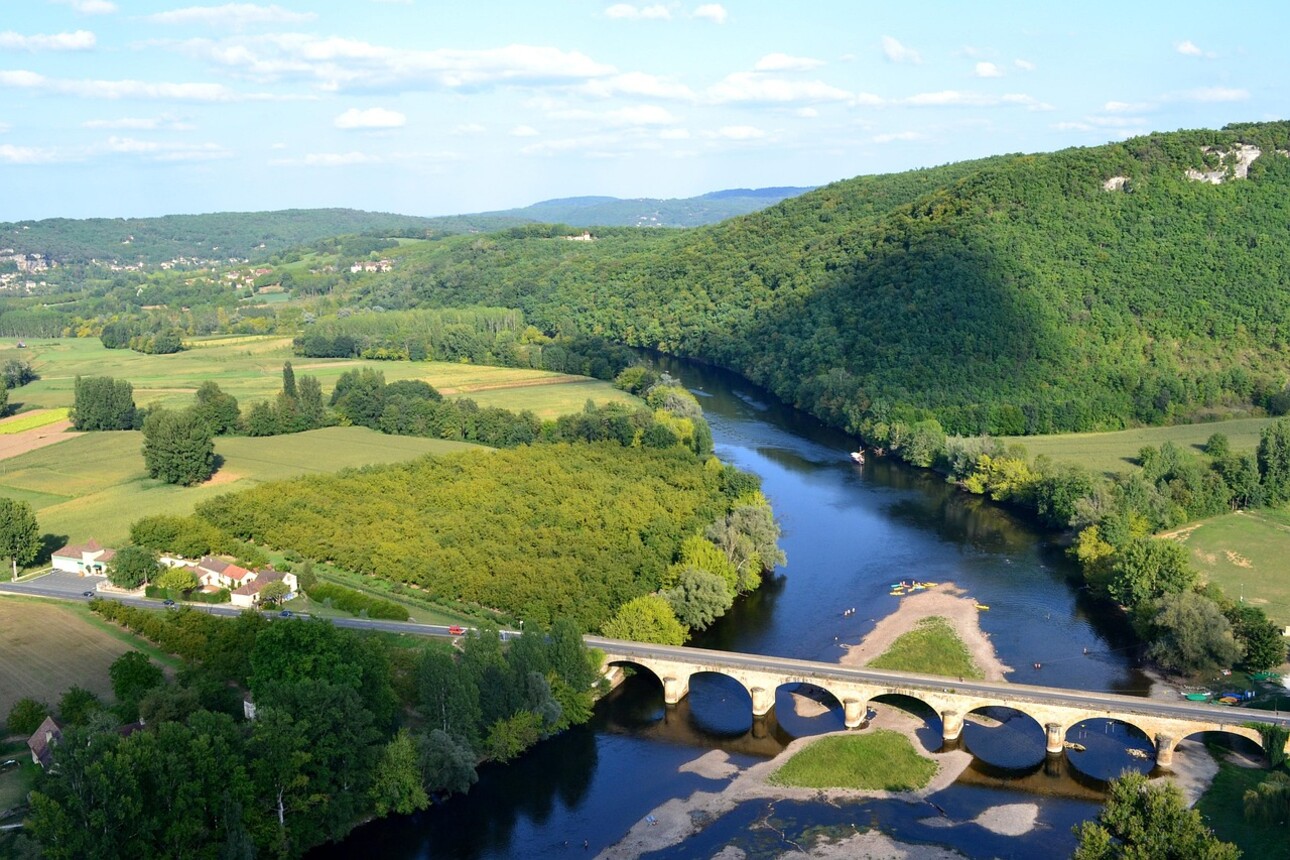
A preserved living environment. Here, population density remains low. You can still find open landscapes, forests, rivers, and agricultural land as far as the eye can see. For a rural project, this is an essential point: you will have space to breathe, cultivate, raise animals, or simply enjoy the peace and quiet.
An affordable cost of living. Compared to the Atlantic coast or the Southeast, the Southwest offers significantly more affordable real estate prices, especially once you move away from large urban areas like Toulouse or Bordeaux.
A pleasant climate. The Southwest benefits from generous sunshine and well-marked seasons. This is a real advantage for agricultural projects, market gardening, or rural tourism hospitality.
Good accessibility. Motorways, railway lines, regional airports: even when living in the countryside, you remain connected to the rest of the country. Medium-sized towns like Albi, Cahors, Auch, or Montauban offer all essential services within less than an hour's drive.
The real estate market in the Southwest is rich and varied. Here are the main categories of properties most often encountered in a "country life" oriented search.
Farms and farmhouses. These are building complexes that often include a dwelling house, barns, outbuildings, and adjoining land. Ideal for an agricultural project, a rural gîte, or an atypical living space.
Character houses. Stone houses, old buildings renovated or to be renovated, pigeon lofts, mills… The Southwest is full of charming properties. They appeal to families as much as to those carrying out hospitality projects or bed and breakfasts.
Properties with land. Whether for market gardening, livestock, an orchard, or simply to have space, many properties in the Southwest are sold with several hectares. This is a real asset for rural projects that require surface area.
The Southwest is vast. To refine your search, it is useful to distinguish three types of sectors.
Certain villages in the Southwest offer an exceptional living environment: preserved architectural heritage, remarkable landscapes, and still-active local life. Examples include the hilltop villages of Tarn, the bastides of Gers, or the medieval towns of Lot. These municipalities attract varied profiles, from neo-rurals to artisans, as well as tourism project leaders.
To identify the most attractive municipalities in the region for a life project, you can consult our selection presenting the most beautiful villages of the southwest. It is a good basis of inspiration to identify sectors that combine living environment and dynamism.
Settling in a rural environment does not necessarily mean living in isolation. Several small towns in the Southwest combine the advantages of the countryside with quick access to services: schools, shops, healthcare, culture. This is the case for Albi, Gaillac, Cordes-sur-Ciel, Figeac, or Lectoure. These municipalities often have an active community fabric and a still-affordable real estate market.
If your budget is tight, some departments offer interesting opportunities. Gers, Lot, Aveyron, or Tarn-et-Garonne have many municipalities where the price per square meter remains well below the national average. You can find properties with potential — provided you sometimes accept some renovation work.
Before committing, take the time to properly evaluate the sector where you wish to settle. Here are the criteria to keep in mind.
Proximity to services. A successful rural project is also a viable daily project. Check the distance to shops, schools, healthcare professionals, and transport. Living 45 minutes from the first supermarket can quickly weigh on morale and budget.
Local dynamism. Find out about the life of the village or town: is there a market, associations, events? A lively territory will be easier to adapt to, especially if you come from the city.
Potential of the property and land. If you have an agricultural or hospitality project, study the soil quality, access to water, exposure, and local regulations (PLU, protected areas). Also think about the grants available for rural setups.
The natural environment. The Southwest is a land of contrasts: plains, hillsides, mountains, valleys. Each landscape has its advantages and constraints. Take the time to visit in different seasons before deciding.
Settling in the Southwest for a rural project means choosing a generous, accessible territory full of potential. But a successful move requires knowing the sectors well, comparing available properties, and taking into account your real daily needs.
The right project is the one that finds the right balance between a suitable property, a pleasant living environment, and a promising territory. By taking the time to thoroughly explore the region and its opportunities, you will put all the chances on your side to succeed in your new life in the countryside.