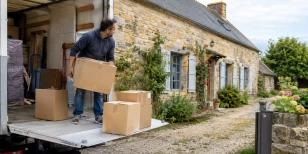
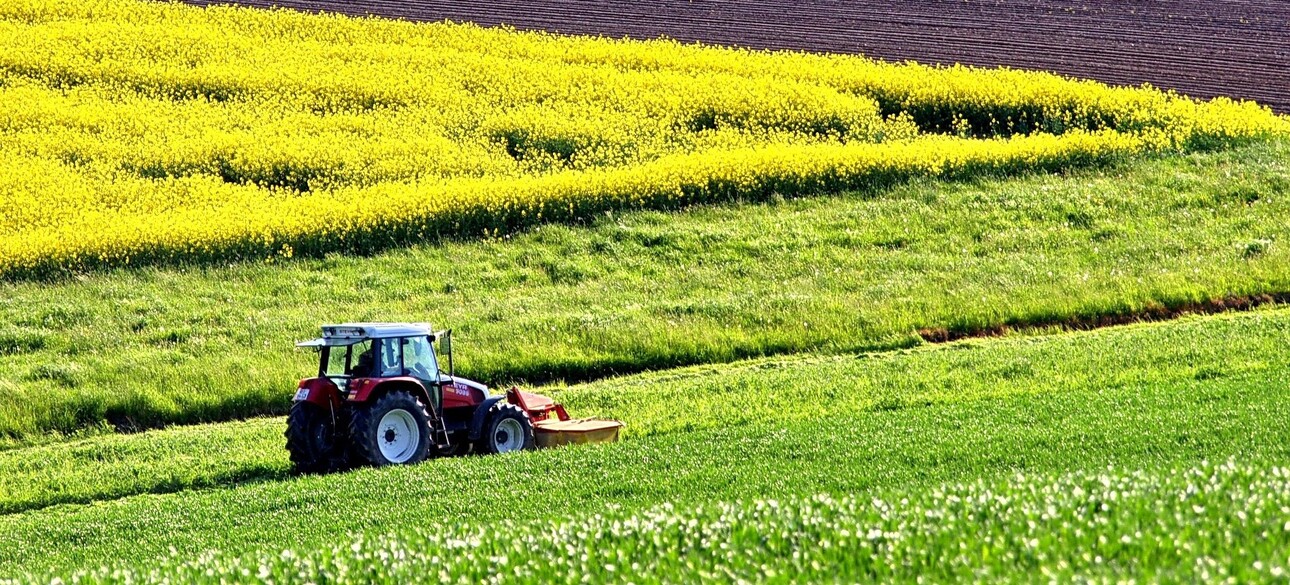
Acquiring a farm does not come down to signing a deed of sale. Behind the hectares of land, buildings and crops lies a cost that first-time buyers often underestimate: equipment. Tractors, tillage tools, harvesting or irrigation machinery — the list can quickly add up to considerable sums. Yet it is precisely here that the economic viability of the first years of operation is determined.
When visiting a farm property, the condition of the equipment deserves as much attention as that of the buildings or the land itself. A tractor nearing the end of its life or a combine harvester due for a major overhaul represent foreseeable costs that the buyer must factor into their financing plan.
Several elements should be systematically checked:
It is advisable to call on an independent technician or the departmental chamber of agriculture to carry out an equipment audit before any acquisition. The chambers of agriculture frequently offer this type of support service for new farmers setting up.
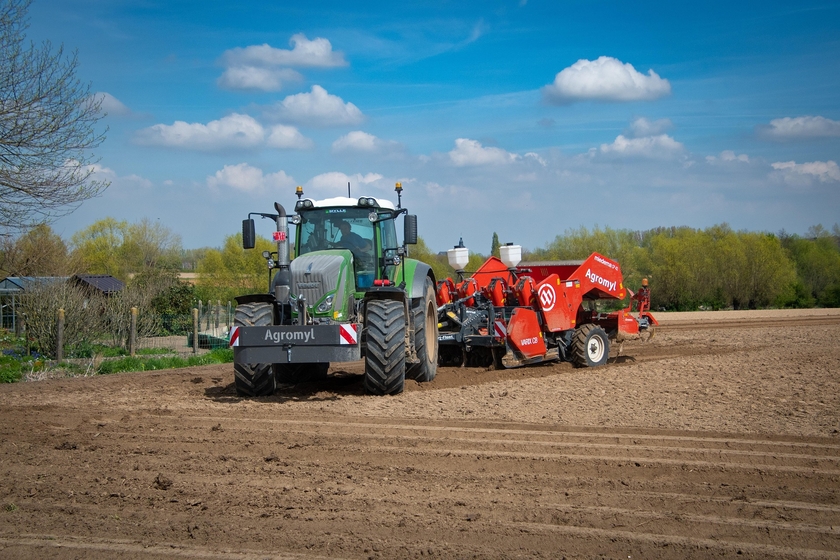
For a new farmer, the question of renewing the equipment fleet arises from the very first weeks. Three main options are available, each with its own advantages and constraints.
Buying new guarantees reliability and access to the latest technologies (GPS guidance, autopilot, yield sensors), but it ties up significant capital in the early years, often at the expense of cash flow.
Second-hand equipment remains the most common choice on medium-sized farms. It provides access to high-performance machinery at a lower cost, provided its actual condition is carefully assessed. For routine tasks such as ploughing, sowing or haymaking, good-condition second-hand equipment performs perfectly well.
Rental and CUMA (Coopérative d'Utilisation de Matériel Agricole — agricultural equipment-sharing cooperative) represent a third option that is often overlooked. They allow the costs of expensive, infrequently used machinery to be shared, which is particularly relevant for small mixed crop and livestock farms.
A second-hand 100-horsepower tractor sells for between €30,000 and €60,000 depending on its condition and attachments. A new reversible plough costs around €5,000 to €12,000. A precision seed drill can easily exceed €20,000. These figures illustrate why the equipment budget must be included in the financing file from the outset, on the same basis as the land price.
When browsing listings for agricultural equipment to complete or renew your machinery, always compare the purchase cost against the depreciation over the expected service life of the machine. Well-maintained equipment can last fifteen to twenty years, which radically changes the financial calculation.
Preventive maintenance is often the first expenditure to be cut during difficult periods, and that is a costly mistake. Regular maintenance (oil changes, greasing, filter replacements, settings checks) extends the service life of machinery and preserves its resale value.
Keeping an up-to-date maintenance log for each machine, filing invoices for parts and labour, and scheduling services outside peak periods are simple habits that make a real difference when it comes to a future sale.
From the seller's perspective, the equipment included in a farm transaction often constitutes a negotiating lever. A fleet in good condition, well suited to the needs of the operation, can accelerate the sale and justify a higher price. Conversely, outdated or unsuitable machinery is perceived as a burden by potential buyers and weighs on negotiations.
For owners considering selling their farm, it is therefore worthwhile investing moderately in refurbishing the equipment before listing it for sale, targeting the most visible items and those most critical to resuming operations.
If you are looking to purchase a farm or wish to sell your rural property, browse the agricultural property listings available on ma-propriete.fr and compare offers according to your criteria for acreage, type of production and location.