Wealth investors do not think like traditional investors. They are not solely seeking immediate returns, but rather sustainable capital appreciation that can withstand economic cycles.
In luxury real estate, this logic is even more pronounced. Every decision is based on scarcity, market image and the property's ability to maintain or even increase its value over time.
It is this long-term approach that is prompting more and more investors to look beyond traditional boundaries.
Yields can fluctuate. Value appreciation, on the other hand, builds wealth. For high-end investors, the priority is often to secure an asset that will increase in value over ten, twenty or thirty years.
This approach is based on capital protection, wealth transfer and the credibility of the chosen market. A prestigious property must remain desirable, even when economic conditions change.
This is why location, international reputation and the stability of the country become determining factors.
Europe naturally remains the primary area of focus. France, Switzerland, Italy and Spain offer established, reputable and reassuring markets. However, these markets are also very mature.
Scarcity is often already factored into prices, which sometimes limits the potential for future appreciation. Investors are therefore finding that security often comes at the price of more moderate growth.
This realisation marks the beginning of a more global search.
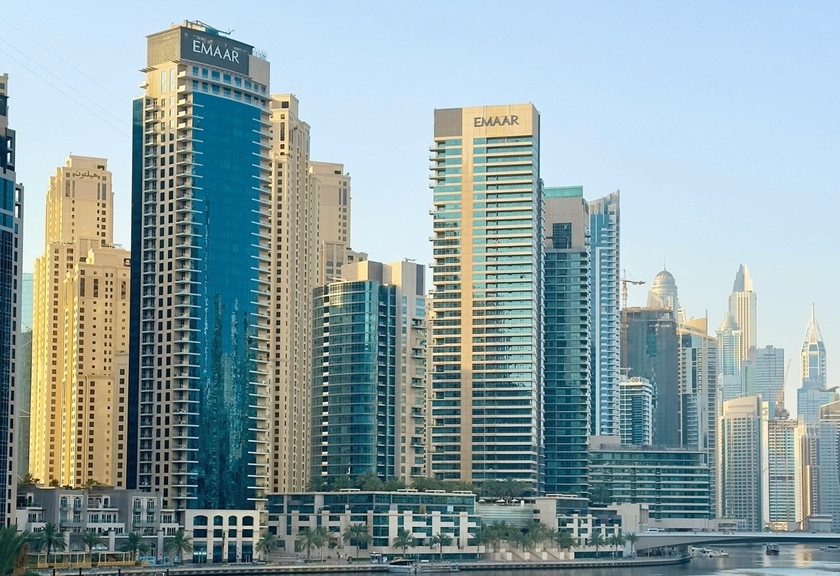
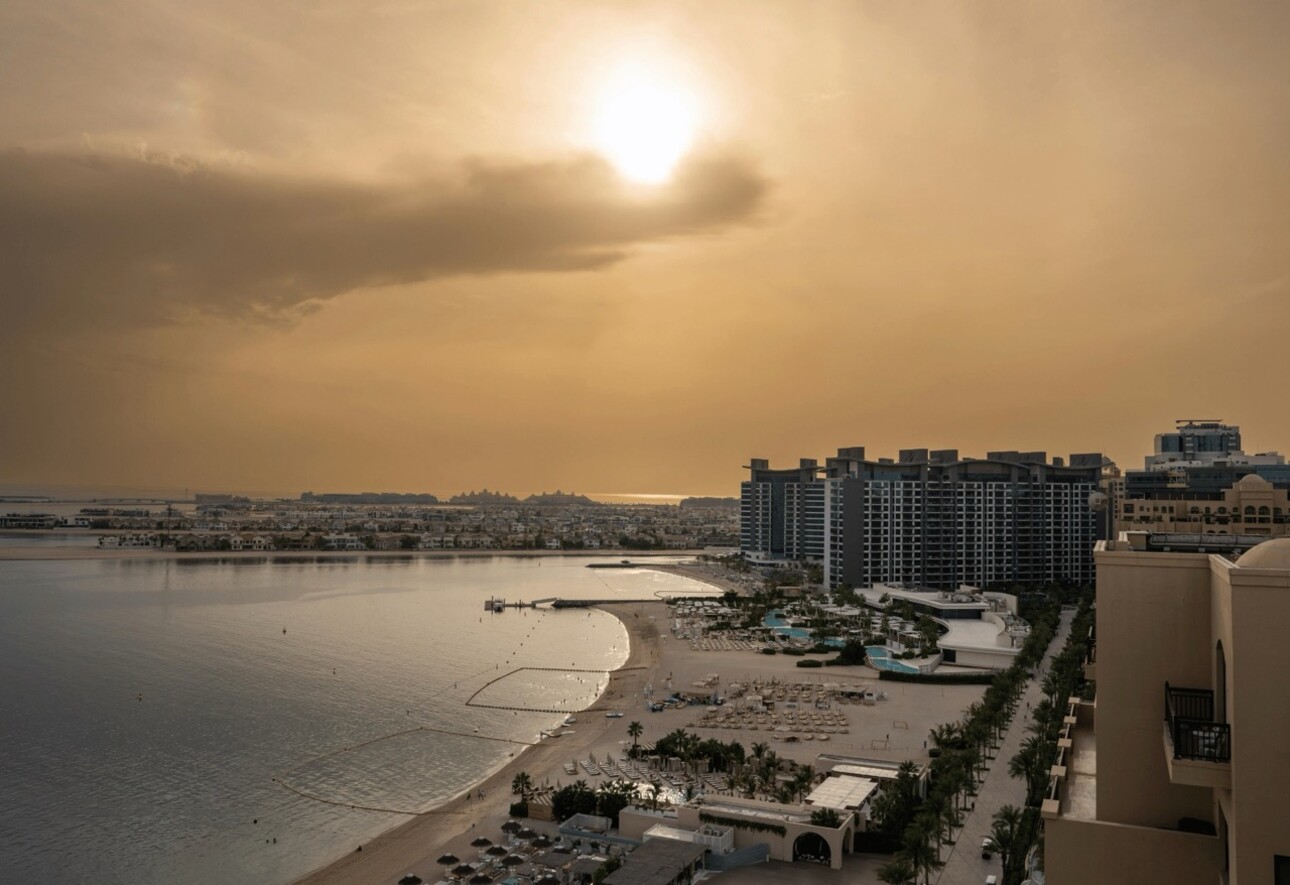
By broadening their analysis, some investors are discovering markets that combine prestige, growth and international appeal. Dubai is one of those destinations that regularly features in wealth management strategies.
The city benefits from a strong image, modern infrastructure and constant international demand. This combination creates a favourable environment for high-end property development.
To better understand this market, many investors rely on this Dubai property website to analyse neighbourhoods, projects and trends.
At this stage, the choice is no longer based on emotion, but on a precise analysis grid. Investors observe market liquidity, project quality and legal stability.
They also assess the country's international image, as reputation directly influences future demand. Taxation, ease of resale and population growth complete this strategic assessment.
It is this method that makes it possible to distinguish between a market that is simply attractive and one that is truly valuable.
When it comes to property valuation, the quality of information becomes a determining factor. High-end investors are not satisfied with raw figures; they seek a comprehensive overview of the market, its trends and areas of interest.
Specialised media play a central role here. This editorial perspective helps to better understand the logic behind valuation, going far beyond the simple price per square metre.
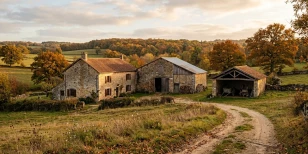
Luxury real estate is not just about aesthetics. It embodies history, rarity and heritage. Whether it is a château in France or a contemporary residence abroad, the logic remains the same.
Investors seek assets that will retain their desirability over time, regardless of economic cycles. This ability depends as much on location as on market image.
It is with this in mind that certain international markets, such as Dubai, harmoniously complement a wealth strategy based on diversification and appreciation.
A prestigious property rarely increases in value "by chance". Appreciation comes from a combination of factors that reinforce each other. The first key is scarcity. A limited location, a view, access, and unique architecture create natural pressure on demand.
The second key factor is market quality. An environment where infrastructure is improving, international appeal is growing and buyers are diverse generally offers better momentum. Appreciation is fuelled by a collective narrative, and this narrative depends as much on the economy as it does on image.
Finally, the intrinsic quality of the property matters more than one might think. A poorly designed property, even if well located, will appreciate less than a coherent, sustainable asset that is easy to project.
Wealth investors are willing to wait, but they don't want to be stuck. That's where liquidity comes in. A liquid market allows investors to sell without having to "fire sale" because demand is sufficiently broad and constant. This ability to exit cleanly reinforces the psychological security of the investment.
Timing also plays a role. Entering too late into an already saturated market limits potential. Entering too early without clarity increases risk. The best arbitrage opportunities often arise when a market matures: regulation stabilises, projects take shape, and international interest is confirmed.
It is in this intermediate zone that valuation can become most attractive.
One point that is often overlooked is that luxury real estate should not be considered on a property-by-property basis, but rather on a portfolio-by-portfolio basis. The aim is to balance stable assets with more dynamic markets that are capable of accelerating value growth.
With this in mind, some investors retain character properties in France for security and inheritance purposes, while adding an international component for growth. This approach allows for intelligent diversification without compromising the wealth dimension.
The most important thing is to remain consistent with your initial objectives: capital protection, long-term appreciation, and flexibility in case of a change of plans.
Luxury real estate is no longer solely driven by returns. It is now part of an overall strategy to protect, transfer and enhance capital.
The experience of wealth investors shows that security does not always lie in tradition, but in the ability to identify markets that are capable of evolving and remaining attractive over the long term.
By combining analysis, method and reliable sources, international property becomes a powerful asset lever, capable of intelligently complementing a portfolio of character properties.