When the time comes to invest in property, two approaches are often at odds: the charm and potential of an old rural property, or the simplicity and guarantees of a new-build development in an urban area. These two strategies serve very different objectives, and the right choice depends above all on your personal project. Here is how to compare them calmly.

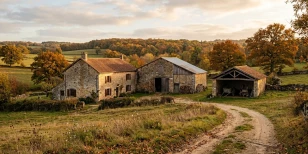
A country house, a farm to renovate or a rural estate generally appeals for its character, its generous surface area and its potential for added value after renovation work. This type of property attracts buyers who are looking above all for a life project. However, it is a project that also demands genuine tolerance:
For example, a roof frame that turns out to be more fragile than expected, or a roof that ultimately requires complete replacement, can turn an initial budget into a far heavier expense than anticipated. If you would rather avoid these uncertainties and turn to a more predictable project, particularly in town, Immotech Partners supports future buyers in their search for a new-build development anywhere in France.
From defining the requirement through to signing at the notary's office, they stand by your side. This complete support is particularly appealing to first-time buyers who are discovering the new-build purchase process for the first time.

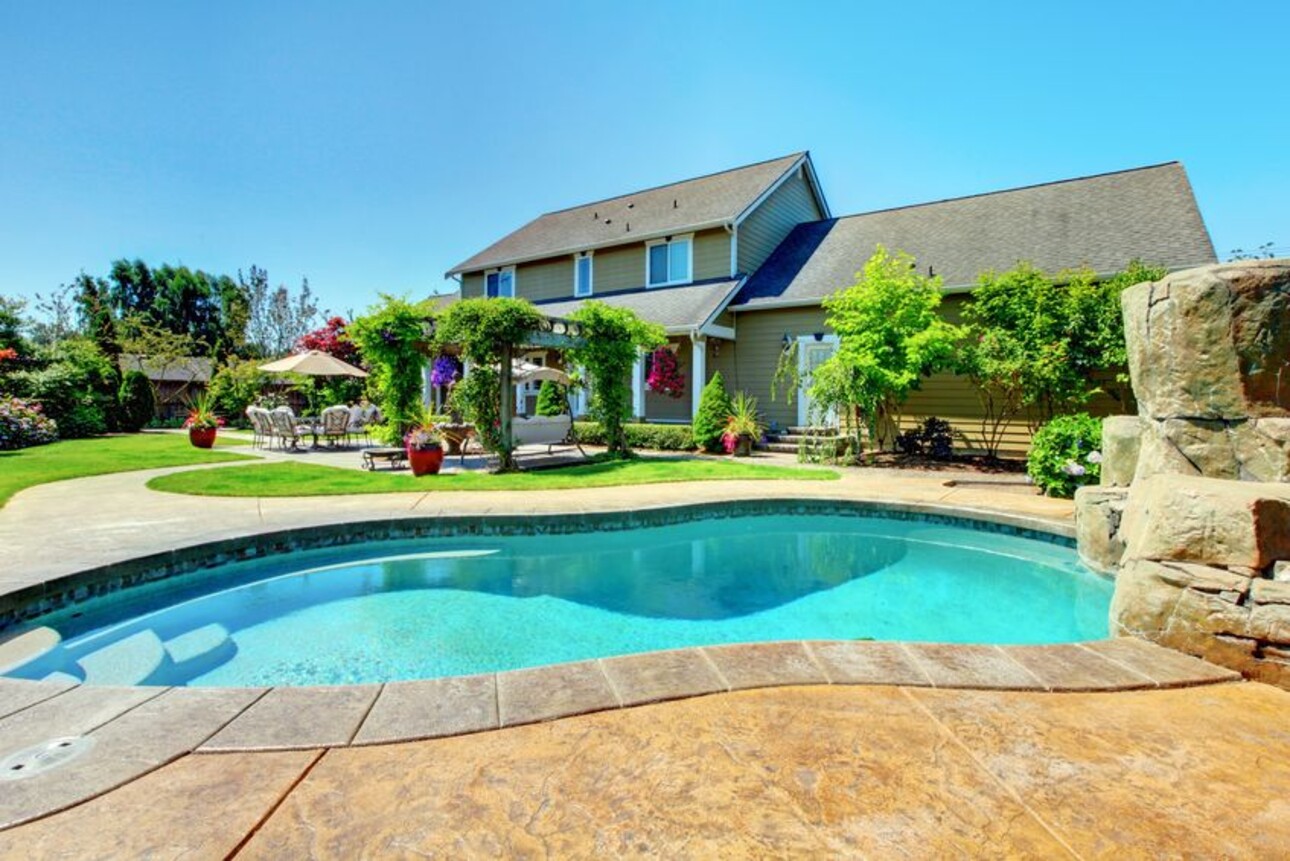
A new-build home offers builder's warranties, recent energy performance standards and no renovation work at all to plan before moving in. That is a comfort an old rural property never offers, even after a careful renovation.
The reduced notary fees also represent a real saving at the time of purchase. It is a criterion that often weighs heavily in the final trade-off between the two options. On a property worth 250,000 euros, this difference represents several thousand euros saved from the moment of signing. You can reinvest that sum in fitting out the home or keep it as precautionary savings.
The ten-year structural warranty, standard on every new-build development, also protects the buyer for 10 years against structural defects. It is a level of security that older property cannot offer to the same extent. This peace of mind matters particularly if you have neither the time nor the inclination to manage a renovation project alongside your professional activity.
The purchase price per square metre often remains more affordable in rural areas than in an urban new-build development. A farm to renovate or a country house frequently offers a surface-to-price ratio that urban new-build simply cannot match, especially in major cities where land remains scarce and expensive.
An older property renovated with care also retains an architectural character that new-build can never reproduce. There are also heritage features that are impossible to recreate artificially and that make up the charm of older property:
These features are often the decisive argument for buyers who are sensitive to the character of a place rather than to its raw energy performance.

If you are looking for a second home with character or a life project in the countryside, old rural property remains a coherent choice despite the renovation work to be expected. However, you must approach the budget with a comfortable safety margin.
If your priority is a secure buy-to-let investment in an urban area, with minimal management and strong guarantees, new-build better meets that objective. This is all the more relevant if it is your first investment, where the absence of unforeseen building issues considerably simplifies the profitability calculation.
Also ask yourself about your real availability to oversee a renovation project. Remember that it takes time and an on-site presence. This is a factor that is often underestimated when embarking on an older property.
Ultimately, and as this complete guide explains, the choice between an old rural property and an urban new-build is never simple. No option is universally better. As you can see, the right choice depends on your risk tolerance, your available renovation budget and the actual use you will make of the property.