
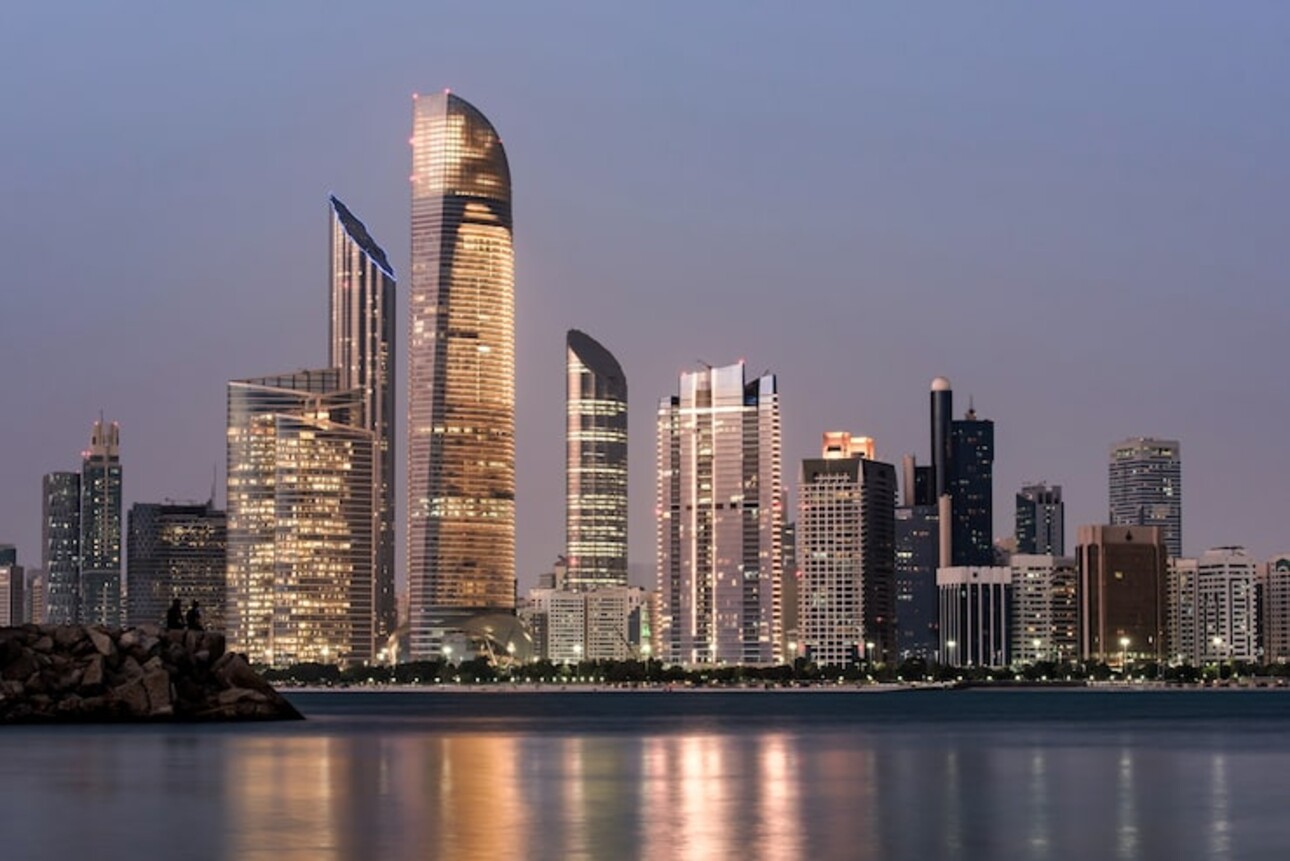
Every year, Dubai attracts thousands of investors and individuals from around the world. Its economic dynamism, favourable tax regime and high-end lifestyle make it a prime destination for real estate. Becoming a property owner in Dubai is an accessible project for foreigners, provided they understand the steps involved, plan their budget carefully and adopt the right approach. Here is a comprehensive guide to successfully purchasing property in the emirate.
Dubai offers a unique environment for property buyers. The absence of income tax and property tax, political stability and continued growth in the property market all contribute to the city's appeal. What's more, certain property investments qualify buyers for a residence visa, which is attractive to many expatriates.
The market is particularly diverse: modern flats, villas with swimming pools, seaside residences and even luxury properties in iconic neighbourhoods such as Downtown Dubai, Palm Jumeirah and Dubai Marina. It is particularly in these areas that there is strong demand for luxury flats in Dubai, a segment that is highly sought after by international buyers.
Before taking any steps, it is essential to clarify your objectives. Do you wish to purchase to live in, to invest, or both? The answer will influence the choice of neighbourhood, type of property, and budget.
A rental investment will favour areas with high tourist or residential demand, while a purchase for a main residence will emphasise proximity to schools, transport and services. The standard of the property, whether new or old, off-plan or completed, must also be taken into account.
In Dubai, location is a key factor. Certain neighbourhoods allow foreigners to purchase freehold properties. Among the most popular are Business Bay, Jumeirah Village Circle (JVC), Dubai Hills Estate and Bluewaters Island.
Each area has its advantages: high rental yields, prestige, quality of life or potential for appreciation. It is strongly recommended that you seek the assistance of a local estate agent approved by the Dubai Land Department (DLD) to avoid mistakes and benefit from accurate market knowledge.
The purchase price of the property is only part of the total budget. In Dubai, you need to factor in additional costs, which are relatively transparent. The main costs include:
Unlike in other countries, there is no annual property tax or tax on rental income, which significantly improves net profitability.
Foreign buyers can finance their purchase in cash or through a mortgage from a local bank. Financing terms depend on residency status, income level and personal contribution, which is often between 20% and 40% of the property price.
For off-plan properties, developers often offer instalment payment plans, sometimes even after delivery. This flexibility is a major advantage for investors looking to optimise their cash flow.
Once the property has been selected, a memorandum of understanding (MoU) is signed between the buyer and seller. A deposit is then paid, usually 10%. The transaction is finalised at the Dubai Land Department, where the title deed is officially transferred.
The process is fast, secure and closely supervised by local authorities, which reassures international buyers.
To maximise the chances of success, it is advisable to:
It may also be wise to entrust the rental management to a specialised agency, especially if you live abroad.
Dubai continues to invest heavily in its infrastructure, tourism and innovation. Major international events, ambitious urban projects and the emirate's growing appeal are driving demand for property.