
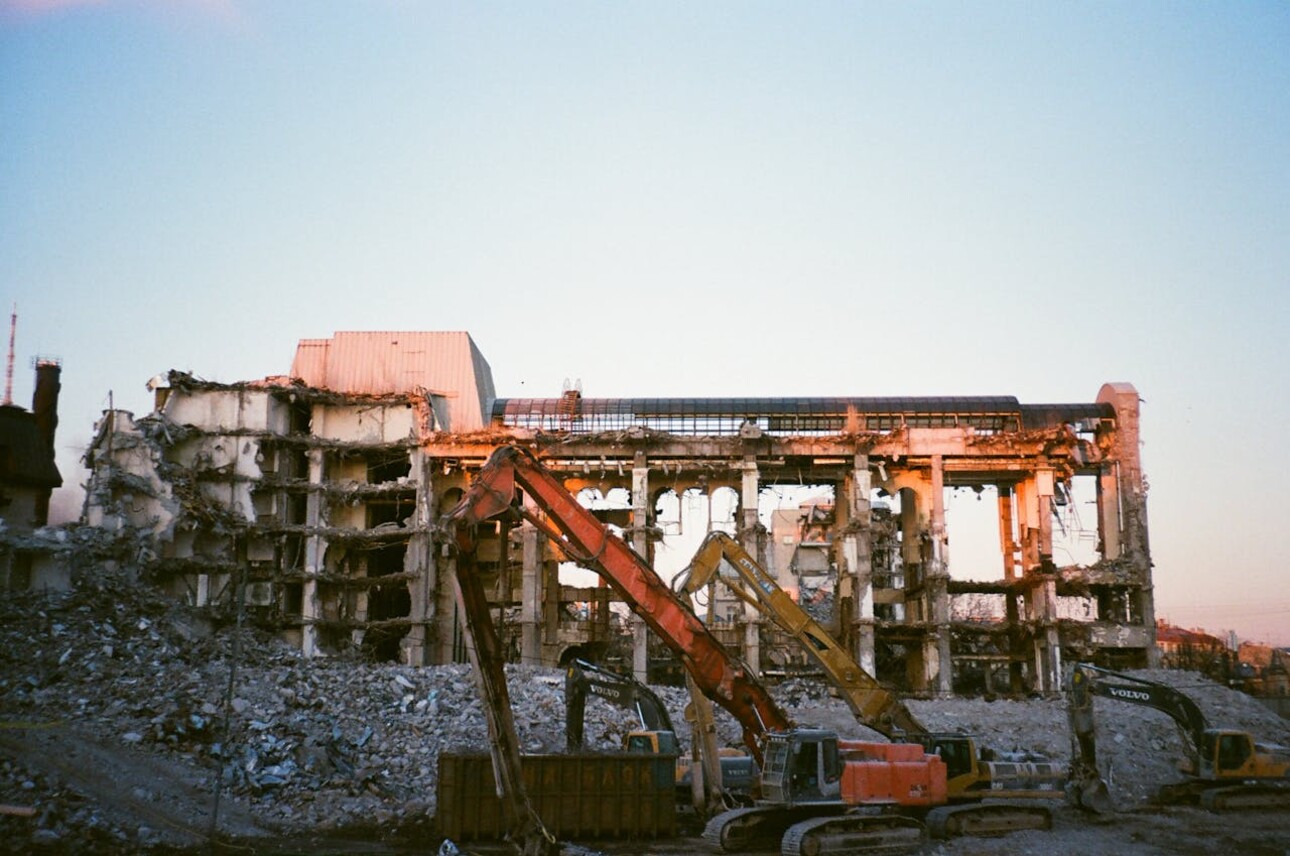
Renovation or construction work typically generates a significant amount of waste. Every stage creates unusable surpluses. Packaging, rubble, wood scraps, metal, plaster, plastic, or cables accumulate quickly. How can you effectively manage this waste without harming the environment or slowing down the construction site? What are the best practices to adopt for intelligent recycling? Discover them in the following sections!
To properly manage waste recycling during your renovation or construction work, it is wise to start by surrounding yourself with the right people. In clearer terms, call on a multi-service provider specialized in construction site waste management.
This choice allows you not only to save time but also to avoid any errors in sorting, storing, or removing used materials. In this regard, you can turn to specialized platforms like GoodCollect. This online service helps you organize a container rental adapted to your needs.
Whether for a skip rental, a renovation site, or a construction project, GoodCollect offers fast and reliable solutions. Simply choose the type of waste to be removed, the container size, the location, and the duration of use. You will receive an online quote, and the container is delivered on-site within a reasonable timeframe.
Regardless of the situation, everything must be planned in advance. Even before starting your renovation or construction work, take the time to define the frequency of collections. To do this, evaluate the typology and the estimated volume of waste that your site is likely to generate.
This initial analysis will allow you to determine the type and number of containers needed, as well as the collection frequency. You can also take into account the different phases of your project. For example, the demolition phase will have different requirements than the structural work or finishing phase.
Generally, it is only after this evaluation that you can contact your waste management provider to establish a precise schedule.
To optimize recycling, collecting is not enough. The essential part is to sort properly from the beginning. As soon as the first rubble appears, separate the materials. This could be wood, metal, concrete, plaster, plastics, or even cables. Ensure that each type of material has a clearly identified disposal area.
To achieve this, the ideal approach would be to train teams in this practice even before the work begins. A quick training session, accompanied by explicit posters, is usually more than enough to help them develop the right habits. You can also set up containers of different colors or label each bin clearly.
Furthermore, keep in mind that some materials can be reused on-site. For instance, whole bricks or boards in good condition can be used for other stages of the site. This reduces the amount of waste to be removed and promotes a circular economy.
Indeed, the previous work leads directly to this point. Once you have sorted the waste, you realize that not all waste is equal. Some, such as asbestos, lead-based paints, or solvents, require specific treatment. If you suspect the presence of such products, take no risks: call on a certified professional.
Avoid mixing them with other materials at all costs. This can make the entire batch unsuitable for recycling or even illegal. Follow the safety instructions displayed on the packaging, even if the products seem old or harmless.
You can also refer to the European Waste Codes (EWC), which classify types of hazardous residues. Some containers are reserved exclusively for these specific wastes. Ask your provider for advice on which ones to use.
To properly manage waste recycling during your renovation or construction work, you must also define the most suitable packaging method. Among the available solutions, heavy-duty recyclable big bags stand out as a particularly practical and ecological option.
Indeed, if you do not have the space required for a container, you can opt for resistant and recyclable big bags. These bags are practical, lightweight, and can hold up to 1 ton of waste. They are perfectly suited for urban construction sites or interior renovations.
Ideally, choose certified models with strong handles and a reinforced base. Furthermore, they are easy to use: simply fill them, close them, and request their removal. You also have the option to store several of them, depending on the progress of the work. Above all, be careful not to overload them!
The temptation can sometimes be great to quickly get rid of one's waste. However, fly-tipping is a serious offense. To properly manage waste recycling during your renovation or construction work, you must absolutely avoid these practices!
Be vigilant, especially if you delegate the removal to a third party. Require a waste tracking note (WTN) or a deposit certificate. These documents prove that your waste has been treated legally. You can also verify that the carrier has a waste carrier registration number.
Finally, continuously raise awareness among your teams on this subject. By applying these techniques, you ensure a cleaner, safer site that is more respectful of the planet.