
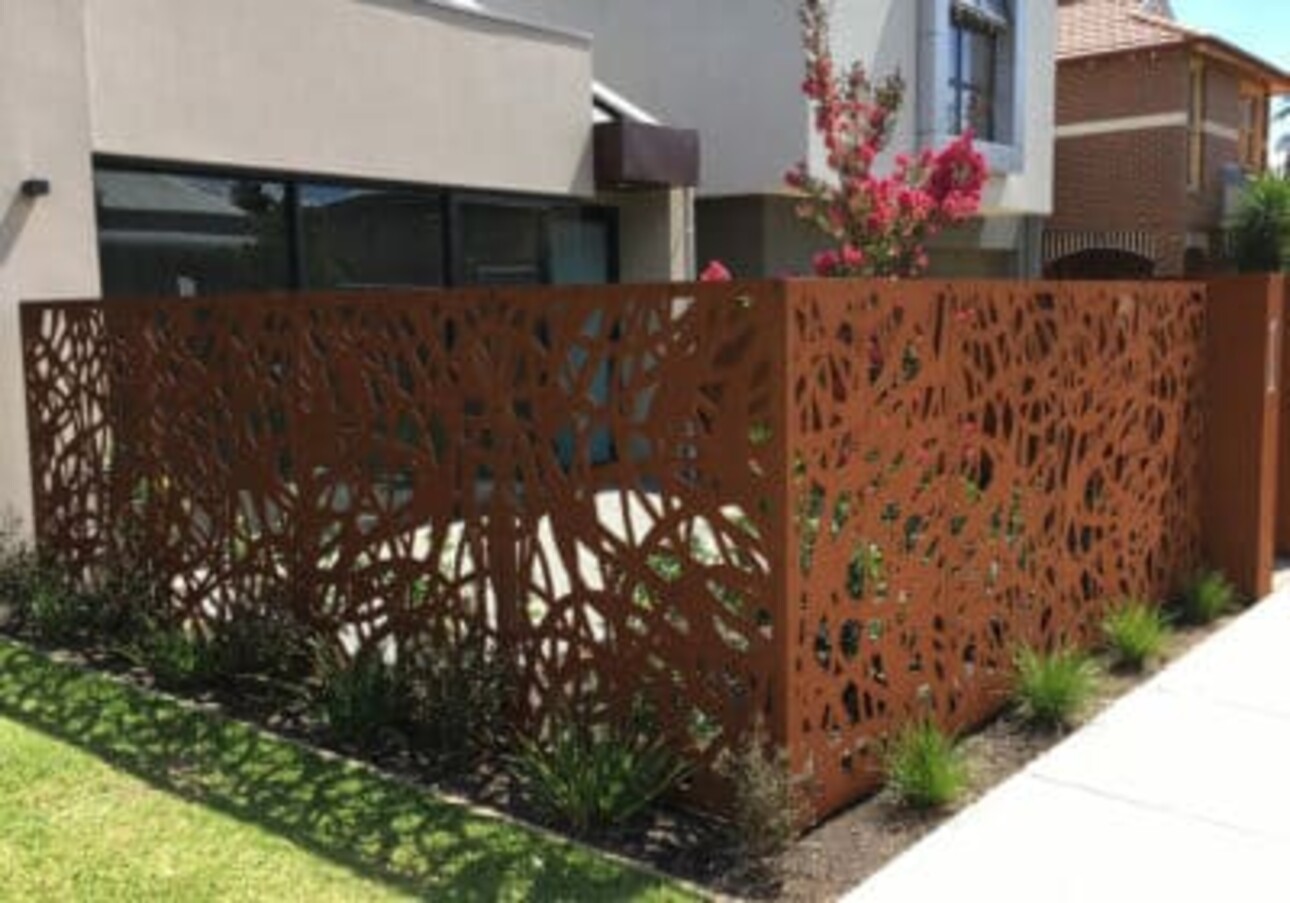
A well-defined garden is a garden that breathes. However, the question of fencing or land separation is often approached from a purely practical, even defensive, angle. We think of protection, privacy, and boundaries. Rarely beauty. And this is where many owners miss a wonderful opportunity: transforming a functional constraint into a true aesthetic asset. Because delimiting your land also means defining the visual framework of your entire property, from the street as well as from the garden. Done well, it changes everything.
The first mistake is to treat the fence as a secondary element, chosen last, once everything else is in place. Yet, the boundary of the land is actually one of the first elements the eye perceives when approaching a property. It sets the tone, announces a style, and creates a lasting first impression. Before choosing a material or a model, ask yourself what you want your exterior to say. A trimmed hedge suggests rigor and classicism. Raw wood panels evoke nature and simplicity. A contemporary metal structure speaks of precision and modernity. Every choice is an aesthetic statement as much as a practical decision, and it is better to be aware of this before starting.
Today, there is a wide variety of solutions for delimiting land, each with its advantages and constraints. The plant hedge remains the most widespread: it is living, evolving, and integrates naturally into the landscape. But it requires regular maintenance, grows slowly, and can quickly become invasive if not controlled. A stone or concrete wall offers a clear and solid separation, but it can visually weigh down the space and be expensive to build. Wood panels are appreciated for their warmth and natural appearance, but they are sensitive to humidity and time. Finally, metal solutions combine robustness, visual lightness, and longevity, making them an increasingly popular choice in contemporary gardens.
One of the most successful approaches consists of combining a solid structure with plant elements. Installing a fence in front of a light hedge, growing a climbing plant on a metal panel, or placing pots between posts are all ways to create a delimitation like no other. This hybridization between mineral and vegetable gives depth to the property boundary and avoids the "blind wall" effect. A corten steel fence, for example, develops a natural rust patina over time that dialogues beautifully with the green of the plants and the brown of the garden soil. It ages well, resists bad weather without special treatment, and brings an aesthetic that is both industrial and organic, which is rare in traditional garden fences.
A successful delimitation is not only viewed from the outside. It must also integrate harmoniously into the view from inside the garden. Too often, a fence is chosen thinking only of what neighbors or passers-by see, forgetting that it is from home that it will be looked at most often. It is therefore essential to think of the delimitation as a backdrop for your garden. A structure with clean lines and a neutral shade will highlight your plantings without competing with them. Conversely, a fence that is too decorative or too colorful risks visually dominating the space and creating a cacophony with the rest of the landscaping. Consistency between the fence, the flooring, the containers, and the furniture is the key to a garden that looks thought-out and mastered.
Choosing the height of your delimitation is a decision that deserves reflection. A fence that is too low offers no real privacy and can give the impression of an exposed and vulnerable space. A fence that is too high, on the other hand, can stifle the garden, deprive it of light, and create an oppressive atmosphere. The ideal height depends on your immediate environment, the orientation of your land, and your privacy needs. In most cases, a height between 1.20 m and 1.80 m offers a good compromise between protection and openness. If you wish to preserve a view or let light in, perforated panels or openwork structures are an excellent alternative to solid surfaces.
The most beautiful of gardens quickly loses its appeal if its components degrade prematurely. When choosing your delimitation, integrate the issue of maintenance and durability from the start. Some materials, like untreated wood, require regular attention to maintain their appearance. Others, like high-quality metals, offer remarkable longevity with minimal maintenance. To explore robust and aesthetic delimitation solutions adapted to contemporary gardens, My Steel offers a range designed to last over time while bringing real visual value to your exterior. Choosing durable materials from the start means giving yourself a garden that remains beautiful year after year, without the constraints of permanent maintenance.
Ultimately, the best land delimitation is the one that seems to have always been there, so naturally does it integrate into the environment. It does not seek to impose itself but contributes silently to the overall harmony of the place. Take the time to choose, to observe what is done around you, and to take inspiration without copying. Your garden is unique, and its delimitation should be too. Whether you opt for plants, wood, stone, or metal, the essential thing is to make a consistent, deliberate choice designed to last.