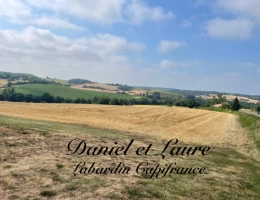
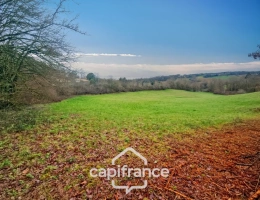
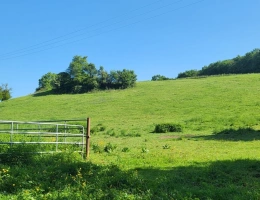
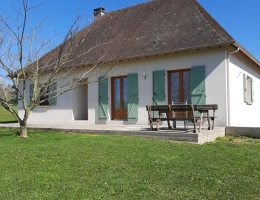
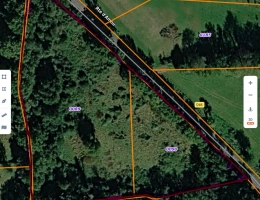
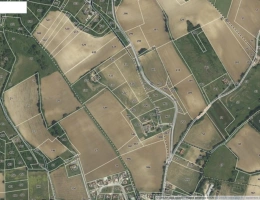
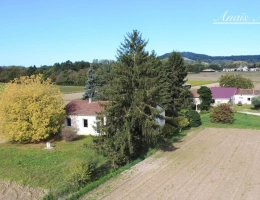
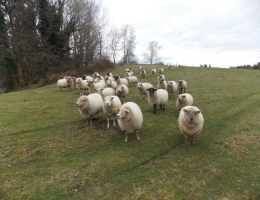
This department suits anyone hunting for a dog kennel for sale in Creuse: large properties, scattered neighbours and some of the lowest buying prices in France. What changes hands ranges from a country kennel built up by its owner to a mixed site taking dogs and cats alike, occasionally with a small dog breeding business and registered stock. Owners stepping back, agencies specialising in rural property and local notarial offices send us these files; each one states the licensed capacity, the number of boxes, the shape of the plot and what accommodation goes with it. You will find them among our listings of dog kennels and boarding businesses for sale.
Beyond the description itself, this page gathers the bearings that are missing when you weigh up an offer: where rural property values sit locally, which areas genuinely generate bookings, which facilities decide how comfortable the work will be, and which paperwork to ask for. Where the purchase goes with a wider countryside project, begin with « Créer une exploitation agricole » (in French), the white paper we devote to setting up in the countryside.
In most sales the dwelling house is the largest single item, ahead of the kennel buildings and the goodwill. According to our country house observatory, the median price of a house in a rural commune in Creuse (23) stood at €91,600 in 2025 (+7.8% year on year), or €930/m² of living space, across 1,053 recorded sales. The national median is €189,200, against €170,000 across Nouvelle-Aquitaine.
What separates two sites is the quality of the working tool and the substance of the business: a night building that is insulated and frost-protected, sound boxes, exercise paddocks that drain, somewhere to treat and to isolate an animal. Then comes the clientele, judged on how long it has been built up and on the ties formed with vets and holiday-cottage owners. Place the residential share of the price using our country house price observatory, then size up the borrowing with our financial calculators.
In a department where winters bite and where the buildings often date from the day the business started, the technical survey matters more than first impressions. Count the boxes that can really be used, measure the space given to each animal, check that an adjoining run allows dogs out without handling, and see how the exercise paddocks behave after a week of rain. Move on to insulation and heating of the resting areas, ventilation, acoustic treatment, floors and their drainage, and frost protection of the water supply. A working laundry and a separate isolation area point to sound animal management.
Most sites here combine a dwelling house, older outbuildings and a single block of land. Insist that the price be broken down in writing between dwelling, working buildings, land, equipment and goodwill, and have that breakdown carried into the preliminary contract. Ask too about the vehicle, transport crates, grooming equipment and booking software, sometimes part of the business, sometimes kept back by the seller. Premises already fitted with a separate cattery open a second market without any building work.
Guéret and its ring hold most of the department's population and supply the bulk of holiday stays. La Souterraine, sitting on the main road running down to Limoges, picks up passing trade and commuting traffic towards the north. Eastwards, Aubusson and Boussac serve a wide, thinly populated countryside, while Bourganeuf and the shores of Lake Vassivière live largely off the summer season and second homes. British and Dutch owners settled in the hedgerow country add long boarding stays whenever they travel back home, and hunting keeps a steady autumn demand alive across the smaller villages.
That geography calls for a cautious reading of the turnover presented: a site that is full in high summer can idle for much of the year. Ask the seller what proportion of customers live close by, whether autumn shooting brings extra boarding, and what arrangements exist with holiday cottages, campsites and guest houses, which often decide whether the books balance.
On the first visit, ask for the ACACED certificate held by whoever answers for the animals, the activity registration held by the departmental veterinary service, the entry and exit registers and the veterinary records. Keep more than nine weaned dogs and classified installation rules come into play, under declaration or full authorisation according to numbers: ask for the prefectoral order, the required setback distances and the most recent inspection reports. Finally, compare the licensed capacity with the animals actually housed, since the gap measures the work awaiting the buyer.
Noise remains the leading cause of dispute: in the deep valleys and on open slopes, barking carries far. Pace out how far the nearest neighbouring houses stand, see which direction the runs open onto and whether woodland screens them, then ask the town hall about past complaints and nearby building plans. A takeover almost always runs through a sale of the business: customer file, bookings already paid for, live contracts and a non-compete undertaking from the seller are each negotiated in turn.
The sites shown here reach us from owners selling directly, from rural property agencies and from notarial offices in the area: anything from modest country boarding kennels to premises equipped for boarding and breeding, sometimes with a cattery as well. Sort by capacity, by budget or by area, switch on an alert as soon as listings appear, and gauge the wider market through dog kennels for sale in Nouvelle-Aquitaine.