

The time it takes to sell a property can vary depending on a number of factors. Indeed, a flat in a major city may find a buyer within a few weeks, whilst a house in a rural area may remain on the market for several months. And the difference becomes even more pronounced when it comes to an unusual property…
Properties in the countryside often take longer to sell than those in major urban areas. A property may remain on the market for more than four months in rural areas, with some taking up to six months or more depending on the area. This is because demand is lower in these areas, which automatically reduces the number of buyers likely to make a quick offer.
However, in reality, this mainly applies to unusual properties, such as a barn in need of renovation, a farmhouse with outbuildings or a property with extensive land, which appeal to a more specific clientele. Before proceeding, the seller must therefore factor in a potentially extended marketing period before putting their current property up for sale.
The time of year can also affect the pace of property searches, as holidays, the start of the new school term and plans to move house also influence households’ availability and, consequently, activity in the property market.
In major cities, the market is turning over more quickly. In 2026, average sale times range from 51 to 69 days in major cities, whilst the average time reported for France as a whole stands at 100 days. Some small properties, when well-located, can even find a buyer within a few weeks, particularly when they match active demand.
This fluidity is largely due to a higher concentration of buyers, but also to a supply that is tailored to frequent searches. For example, a three-room flat in the city centre appeals to a wider audience than a rural property with more specific features. However, it should be noted that the asking price must remain in line with the local market, as buyers compare properties and are more likely to negotiate when several options are available to them.
Differences between cities also show thatthere is no single timeframe, with variations between major cities: Nice stands at 51 days, Paris at 52 days, Toulouse at 53 days, whilst Lyon reaches 69 days.
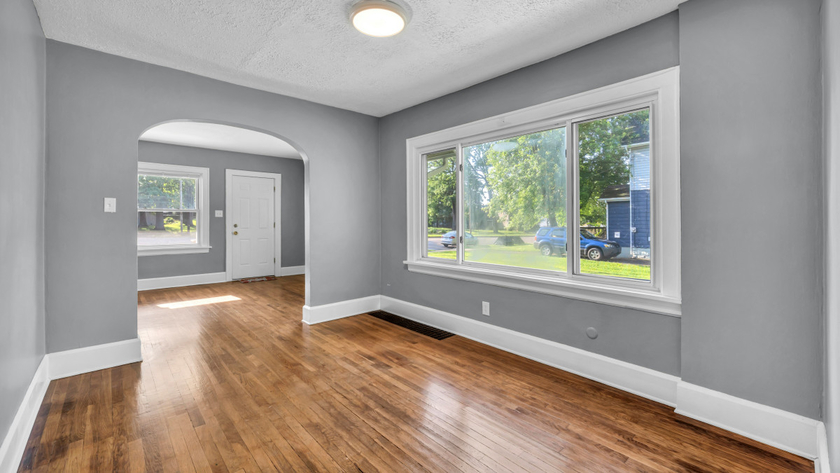
The difference between rural and urban property markets means, above all, that you should not assume a single, theoretical timeframe. This means that for a project involving the purchase of a new home, selling a rural property may take several months to go through, whereas a flat in town may sell more quickly. By planning ahead for the sale of your current home, you can therefore minimise the risk of a time lag between the two transactions.
With a market slowed by inflation, you can use all this available time to prepare the administrative documents, monitor local trends and adjust the positioning of your property if feedback from prospective buyers warrants it. In other words, rather than relying on a national average at any given moment, your property sales timeline is best based on the type of property you are offering, its location and the level of demand you are observing.